Catechin: What It Does for Cholesterol and Heart Health
Plant compound
Track the foods that fit your goals. Track it free with Ration →
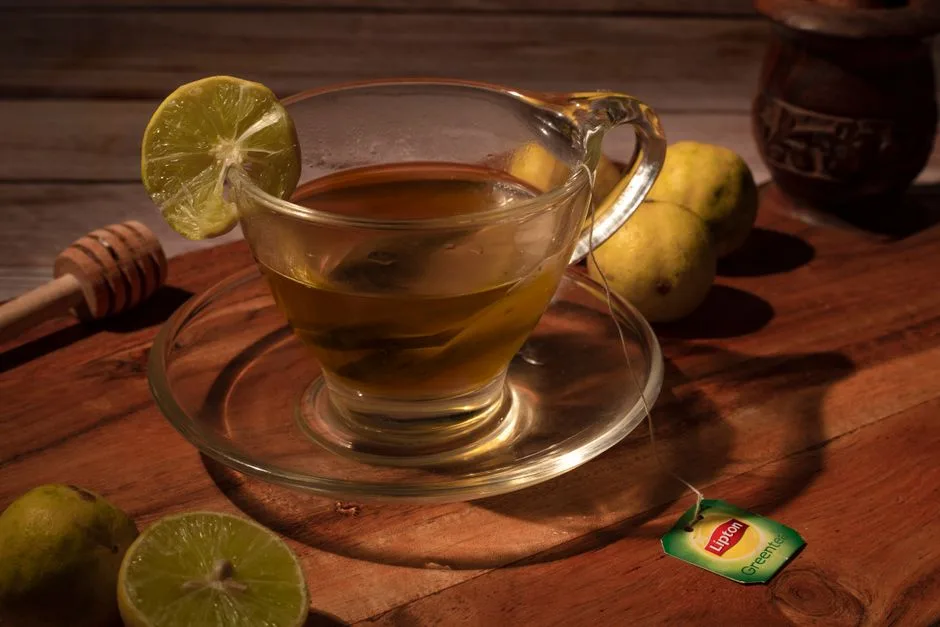
Key takeaways
- Catechin is a flavan-3-ol antioxidant found in green tea, cocoa, apples, and berries
- Database evidence gives catechin an 'A' grade for lowering LDL cholesterol, based on 5 sources
- Research also points to benefits for endothelial function and platelet activity
- Most evidence comes from food-derived flavan-3-ols rather than isolated high-dose supplements
What is catechin?
Catechin belongs to a family of plant compounds called flavan-3-ols, a subgroup of flavonoids.
You will find catechin naturally in green tea, black tea, cocoa, apples, grapes, and berries.
Its close relatives include epicatechin and epigallocatechin gallate (EGCG), which is especially concentrated in green tea.[4]
These compounds are often studied together because they share similar structures and biological effects.[1]
How does catechin work in the body?
Catechin acts as an antioxidant, helping to neutralize reactive molecules that can damage cells.
It also appears to support the endothelium, the thin layer of cells lining blood vessels, which helps regulate blood flow and vascular tone.[1]
Some research suggests flavan-3-ols can reduce platelet activation, a process involved in blood clotting.[5]
Catechin also binds to serum albumin, a protein that transports compounds through the bloodstream, which may influence how it circulates and is used by tissues.[4]
Its bioavailability, or how much the body actually absorbs, appears to be affected by the gut and by compounds like caffeine consumed alongside it.[2]
Does catechin lower LDL cholesterol?
This is where the evidence is strongest for catechin.
- LDL CholesterolAHuman trials
Research may lower LDL Cholesterol · strong agreement · 5 studies
View 5 studies on PubMed
- Flavan-3-ol-methylxanthine interactions: Modulation of flavan-3-ol bioavailability in volunteers with a functional colon and an ileostomy (2023)
- Flavan-3-ols and Vascular Health: Clinical Evidence and Mechanisms of Action (2024)
- Role of the flavan-3-ol and galloyl moieties in the interaction of (-)-epigallocatechin gallate with serum albumin (2014)
- (-)-Epicatechin and the comorbidities of obesity (2020)
- Inhibition of platelet activation and endothelial cell injury by flavan-3-ol and saikosaponin compounds (1991)
Our database assigns catechin an 'A' grade for lowering LDL cholesterol, drawing on 5 sources with a consistent direction of effect.
Reviews of flavan-3-ol research describe improvements in markers of vascular health alongside these lipid changes, suggesting the cholesterol effect may work together with benefits to blood vessel function.[1]
Related work on epicatechin, a close cousin of catechin, has looked at its role in conditions linked to obesity, including metabolic markers that often travel alongside high LDL cholesterol.[3]
What else might catechin help with?
- Supporting healthy endothelial function and blood vessel flexibility[1]
- Reducing platelet activation, which may support healthy blood flow[5]
- Providing antioxidant activity that may protect cells from oxidative stress[1]
- Potentially supporting metabolic health markers connected to obesity[3]
It is worth noting that many of these areas have less robust evidence than the LDL cholesterol findings, and some come from mechanistic or smaller studies rather than large trials.
Where do you get catechin?
- Green tea and white tea
- Black tea, though in lower catechin amounts due to processing
- Cocoa and dark chocolate
- Apples, especially the skin
- Grapes and red wine
- Berries such as blackberries and raspberries
Catechin is also sold as a standalone supplement or as part of green tea extract, often alongside EGCG.
Because catechin and caffeine occur together naturally in tea, and caffeine may influence how catechin is absorbed, whole tea may behave differently in the body than an isolated supplement.[2]
How much do you need?
There is no established daily requirement for catechin, since it is a plant compound rather than an essential nutrient.
Clinical research on flavan-3-ols has used a range of doses, often delivered through concentrated tea or cocoa extracts rather than isolated catechin alone.[1]
Typical dietary intake from tea and cocoa varies widely by country and habits, and most people get some catechin through a normal diet that includes tea, fruit, or chocolate.
Is catechin safe?
Catechin from food sources like tea and cocoa has a long history of use and is generally well tolerated.
Concentrated green tea extracts, which contain high levels of catechins including EGCG, have occasionally been linked to liver concerns in case reports, so people considering high-dose extract supplements may want to discuss this with a healthcare provider.
Because catechin can interact with how the body processes other compounds, including through binding with proteins like albumin, people taking medications may want to be cautious with concentrated supplement forms.[4]
Who might consider catechin?
- People looking to support LDL cholesterol through diet, alongside other established strategies
- Those interested in general cardiovascular and endothelial support[1]
- People who already enjoy tea, cocoa, or catechin-rich fruits as part of their diet
Bottom line
Catechin is a well-studied flavan-3-ol with the strongest evidence pointing toward a role in lowering LDL cholesterol.[1]
Supporting research on vascular function and platelet activity adds plausibility to how it might work, though these areas need more confirmation.[1][5]
Getting catechin through tea, cocoa, and fruit remains a reasonable approach, while high-dose extract supplements deserve a more cautious look.
Frequently asked questions
Does catechin actually lower cholesterol?
Our database gives catechin an 'A' grade for lowering LDL cholesterol based on 5 consistent sources, making this one of its best-supported effects.[1]
What foods have the most catechin?
Green tea, cocoa, dark chocolate, and apples are among the richest natural sources of catechin.
Is green tea extract the same as catechin?
Green tea extract typically contains a mix of catechins, including EGCG, rather than pure catechin alone.[4]
Can catechin affect blood clotting?
Early research suggests flavan-3-ol compounds like catechin may reduce platelet activation, a process involved in clot formation, though this needs more study in humans.[5]
Does caffeine change how catechin is absorbed?
Some clinical research suggests methylxanthines like caffeine can modulate catechin bioavailability, which is relevant since tea naturally contains both.[2]
Sources
- Flavan-3-ols and Vascular Health: Clinical Evidence and Mechanisms of Action · PMID 39125353
- Flavan-3-ol-methylxanthine interactions: Modulation of flavan-3-ol bioavailability in volunteers with a functional colon and an ileostomy · PMID 36621554
- (-)-Epicatechin and the comorbidities of obesity · PMID 32679195
- Role of the flavan-3-ol and galloyl moieties in the interaction of (-)-epigallocatechin gallate with serum albumin · PMID 24712545
- Inhibition of platelet activation and endothelial cell injury by flavan-3-ol and saikosaponin compounds · PMID 1946562