Goitrogens: Should You Worry About Cruciferous Vegetables?
Anti-Nutrients
Track your food and see where goitrogens adds up. Track it free with Ration →
Key takeaways
- Goitrogens are compounds that can interfere with thyroid hormone production, mainly by blocking iodine uptake.
- They are highest in raw cruciferous vegetables (kale, cabbage, broccoli) and soy.
- At normal intakes with adequate iodine, cruciferous vegetables do not harm thyroid function; cooking lowers goitrogens further.
What goitrogens are
Goitrogens are dietary compounds that can interfere with the thyroid, historically by competing with iodine or blocking the enzyme that builds thyroid hormone.[3] The name comes from goiter — thyroid enlargement. The main dietary sources are glucosinolate breakdown products in cruciferous vegetables, and isoflavones in soy.
Should you actually worry
For nearly everyone, no. A 2024 systematic review concluded that Brassica (cruciferous) vegetables at normal dietary intakes do not adversely affect thyroid function in people with adequate iodine.[1] The concern is real only at extremes — very high raw intakes combined with iodine deficiency, or specific thyroid conditions. The health benefits of these vegetables far outweigh a theoretical goitrogen risk for the general population. The practical safeguards are simple: get enough iodine (iodized salt, dairy, seafood), and cook your greens.
Foods highest in goitrogens
- Raw kale, cabbage, and Brussels sprouts
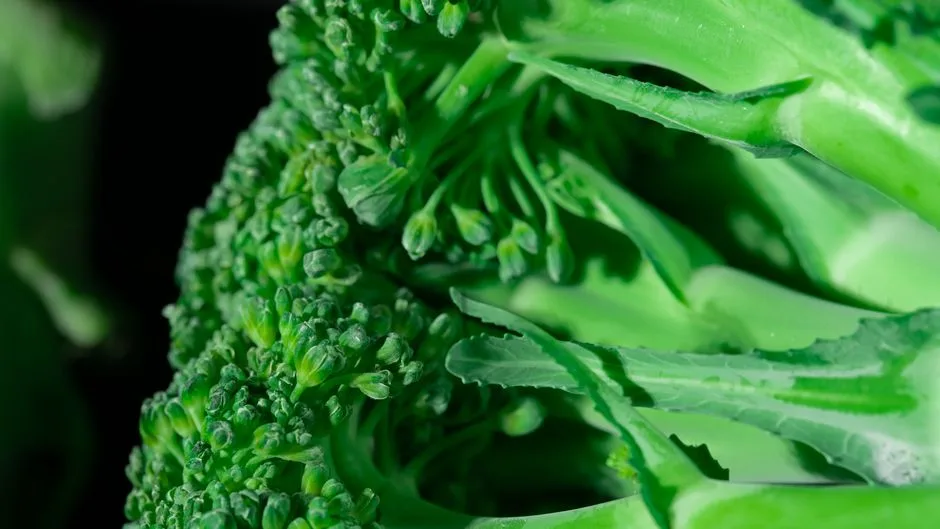
- Broccoli and cauliflower
- Bok choy and collard greens
- Soybeans and soy products
- Millet and, in some regions, cassava
How to cut it
Cooking is effective: steaming and boiling reduce goitrin and other goitrogenic compounds in Brassica vegetables, while still preserving much of their benefit.[2] Fermentation and normal chewing-plus-cooking lower the active load further, so cooked cruciferous vegetables are a very low concern even for people watching their thyroid.
Bottom line
Keep eating your cruciferous vegetables. Get adequate iodine, favor them cooked over raw if you have a thyroid condition, and the goitrogen issue effectively disappears. Research summary, not medical advice.
Sources
- Do Brassica Vegetables Affect Thyroid Function? A Comprehensive Systematic Review. Int J Mol Sci. 2024. · PMID 38612798
- Cooking Methods for Preserving Isothiocyanates and Reducing Goitrin in Brassica Vegetables. Foods. 2023. · PMID 37835300
- Gaitan E. Goitrogens. Baillieres Clin Endocrinol Metab. 1988. · PMID 2464986