Daidzein: What This Soy Isoflavone Actually Does to Your Hormones
Plant compound
Track the foods that fit your goals. Track it free with Ration →
Key takeaways
- Daidzein is an isoflavone found in soy and other legumes that acts as a weak phytoestrogen in the body.
- Some gut bacteria convert daidzein into equol, a metabolite that may be more biologically active.
- Evidence on how daidzein affects estradiol levels is mixed, with studies showing different directions of effect.
- Research on menopause symptom relief is promising but not conclusive across trials.
What is daidzein?
Daidzein is one of the main isoflavones found in soybeans and other legumes.
It belongs to a class of plant compounds called phytoestrogens. These are molecules that structurally resemble estrogen, particularly estradiol, and can bind to estrogen receptors in the body[1].
Alongside daidzein, soy also contains genistein, another well studied isoflavone with similar properties[1].
Because of this estrogen like activity, daidzein has drawn attention as a possible natural option for supporting hormone balance, especially around menopause[2].
How does daidzein work in the body?
Once consumed, daidzein is metabolized in the gut.
In some people, gut bacteria convert daidzein into a compound called equol[4].
Equol appears to bind more strongly to estrogen receptors than daidzein itself, which means the benefits a person experiences from soy may depend heavily on whether their gut microbiome produces equol[4].
Not everyone is an 'equol producer.' This individual variation is one reason research on daidzein and isoflavones in general shows inconsistent results across studies[3].
Does daidzein affect estradiol levels?
This is where the research gets complicated.
Because daidzein can bind to estrogen receptors, it has the potential to either mimic estrogen's effects or, in some tissues, block them by competing with the body's own estradiol[1].
Across the available studies, the effect on estradiol levels is best described as mixed rather than consistently one direction[2] [3] [5].
- EstradiolAHuman trials
Research has mixed effects on Estradiol · conflicting agreement · 5 studies
View 5 studies on PubMed
- Isoflavone Supplements for Menopausal Women: A Systematic Review (2019)
- Isoflavones (2019)
- Daidzein and Genistein: Natural Phytoestrogens with Potential Applications in Hormone Replacement Therapy (2025)
- Utilization of Isoflavones in Soybeans for Women with Menopausal Syndrome: An Overview (2021)
- Equol: A Bacterial Metabolite from The Daidzein Isoflavone and Its Presumed Beneficial Health Effects (2019)
Some trials report small reductions in circulating estradiol with isoflavone supplementation, while others report no meaningful change or slight increases[5].
This variability likely reflects differences in dose, form, study duration, and whether participants were equol producers[4] [5].
Can daidzein help with menopause symptoms?
Menopause symptom relief is the most common reason people look into daidzein and soy isoflavones.
A systematic review of isoflavone supplements in menopausal women found some evidence of modest improvement in hot flash frequency and severity, though results were inconsistent across trials and effect sizes were often small[5].
Research specifically on soy isoflavones for menopausal syndrome has echoed this cautious optimism, noting benefits in some studies but not universally[2].
Researchers studying daidzein and genistein as potential components of hormone replacement strategies note that phytoestrogens are unlikely to replicate the full effects of pharmaceutical estrogen therapy, but may offer a gentler, food based option for some symptoms[1].
What foods contain daidzein?
Daidzein occurs naturally in a range of soy based and legume foods.
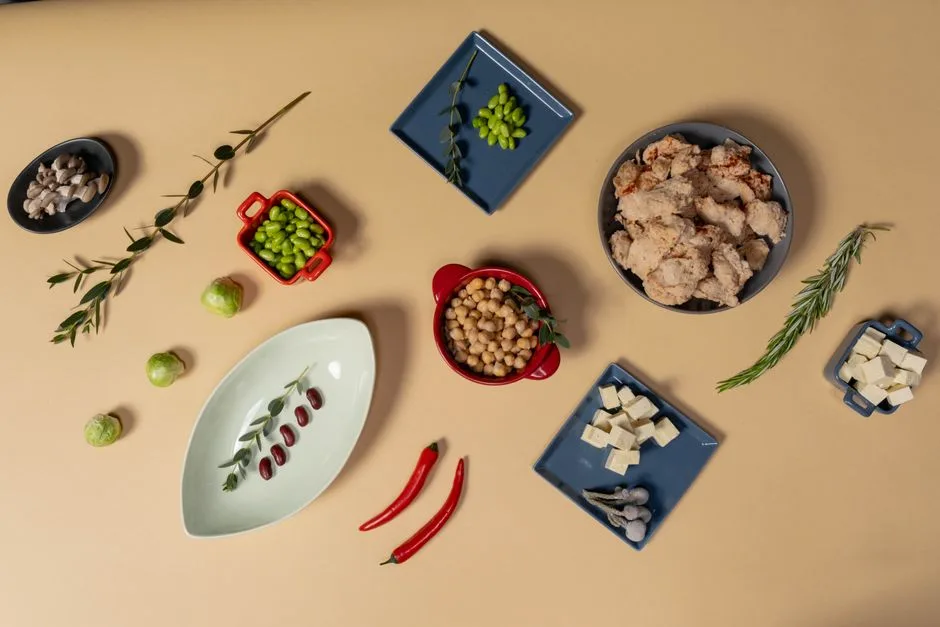
- Soybeans and edamame
- Tofu
- Tempeh
- Miso
- Soy milk
- Other legumes, in smaller amounts, such as chickpeas and lentils
Isoflavones, including daidzein and genistein, are typically consumed together in whole soy foods rather than in isolation[3].
Are there daidzein supplements?
Isoflavone supplements are available and are often marketed for menopause support.
- Standalone daidzein extracts
- Mixed soy isoflavone blends (daidzein plus genistein and glycitein)
- Equol supplements, marketed toward people who do not naturally produce equol from gut bacteria[4]
Doses used in clinical trials vary widely, and there is no single agreed upon dose for menopause symptom relief[5].
Because individual gut bacteria composition affects how daidzein is metabolized, the same supplement dose can produce different effects from person to person[4].
Is daidzein safe?
Daidzein from whole foods like soybeans and tofu is generally considered safe and has a long history of use in traditional diets[3].
Supplement forms have been used in clinical trials without major safety signals reported, though most trials have been relatively short in duration[5].
Because daidzein interacts with estrogen receptors, people with a history of hormone sensitive conditions may want to discuss soy isoflavone supplements with a healthcare provider before use[1].
This article is not medical advice.
Who might consider daidzein?
- People looking for food based ways to support hormone balance during perimenopause or menopause[2]
- People interested in the estrogen receptor activity of isoflavones as an alternative to hormone therapy[1]
- People already eating soy foods regularly as part of their diet
- People curious whether they are equol producers, since this may influence how much they benefit from soy isoflavones[4]
Bottom line
Daidzein is a naturally occurring phytoestrogen in soy that interacts with estrogen receptors in the body.
Its effect on estradiol levels is genuinely mixed across the research available, with some studies showing decreases and others showing little change[2] [3] [5].
Evidence for menopause symptom relief is encouraging in some trials but not consistent enough to call it a proven remedy[5].
Whole soy foods remain a reasonable way to get daidzein along with other nutrients, while supplement decisions are best made with a healthcare provider, especially for anyone with hormone sensitive health conditions[1] [4].
Frequently asked questions
Does daidzein raise or lower estradiol?
The research is mixed. Some studies show small reductions in estradiol with isoflavone intake, others show little to no change, likely depending on dose and individual gut bacteria[2] [5].
What is the difference between daidzein and equol?
Daidzein is the isoflavone found in soy, while equol is a metabolite that some people's gut bacteria produce from daidzein. Equol appears to bind estrogen receptors more strongly[4].
Can daidzein help with hot flashes?
Some trials of soy isoflavone supplements report modest improvements in hot flash frequency, but results are inconsistent across studies[5].
Is daidzein the same as genistein?
No, both are soy isoflavones with estrogen receptor activity, but they are distinct compounds that are usually consumed together in soy foods[1] [3].
Who produces equol from daidzein?
Only some people have the gut bacteria needed to convert daidzein into equol, which may explain why soy isoflavones affect people differently[4].
Sources
- Daidzein and Genistein: Natural Phytoestrogens with Potential Applications in Hormone Replacement Therapy · PMID 40725220
- Utilization of Isoflavones in Soybeans for Women with Menopausal Syndrome: An Overview · PMID 33809928
- Isoflavones · PMID 30893792
- Equol: A Bacterial Metabolite from The Daidzein Isoflavone and Its Presumed Beneficial Health Effects · PMID 31527435
- Isoflavone Supplements for Menopausal Women: A Systematic Review · PMID 31689947