Deer Antler Velvet: What the Evidence Actually Shows About IGF-1 and Muscle Claims
Botanical / supplement
Track the foods that fit your goals. Track it free with Ration →
Key takeaways
- Deer antler velvet is marketed as a natural source of IGF-1, a growth factor tied to muscle and tissue growth
- Lab testing has found IGF-1 in raw velvet, but commercial supplements often contain little to none of it[3]
- Evidence on whether oral velvet meaningfully raises human IGF-1 levels is weak and mixed, graded D in our database
- Most human data on strength or recovery benefits is thin, dated, or industry funded
What is deer antler velvet?
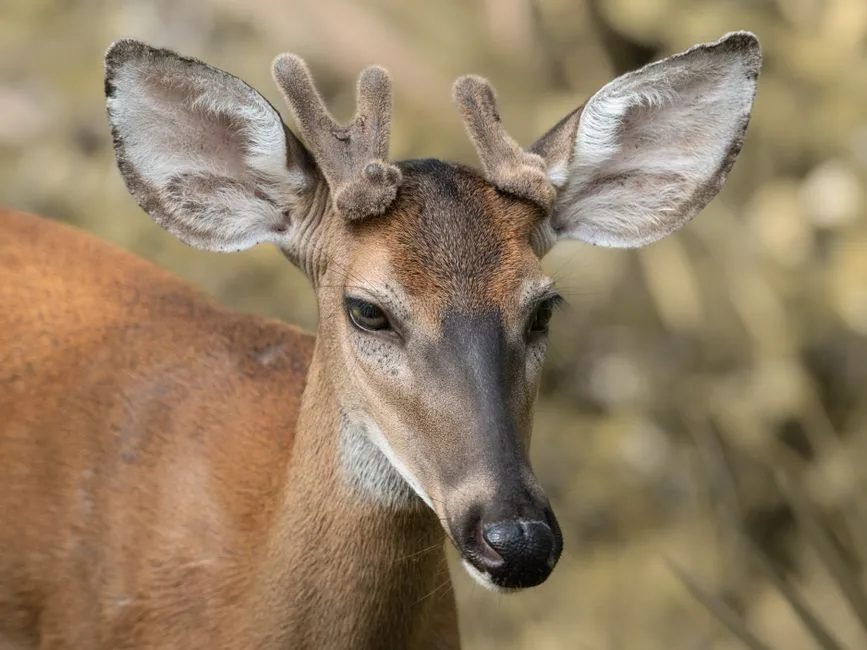
Deer antler velvet is the soft, fuzzy skin that covers a deer or elk antler while it is still growing.
It is harvested before the antler hardens into bone, then dried and processed into powders, capsules, sprays, or extracts.
In traditional Chinese medicine, velvet from species like Cervus elaphus and Cervus timorensis has long been used as a general tonic.
Modern supplement marketing focuses on one specific angle: the idea that velvet is a natural source of insulin-like growth factor 1, or IGF-1, a hormone involved in growth, muscle repair, and cell division.
How is it supposed to work?
Antler is one of the fastest growing tissues in mammals, and researchers have long been curious about what drives that growth.
IGF-1 has been studied as a candidate driver since the 1980s, with early work proposing it as an antler stimulating hormone[6].
Laboratory studies on antler cartilage cells have shown that IGF-1 and IGF-2 can stimulate growth of antler cells in vitro[5].
But growing antler tissue in a dish is different from what happens when a person swallows a capsule of dried velvet.
Later research on live red deer stags complicated the picture further, finding that testosterone, not IGF-1, prolactin, luteinizing hormone, or cortisol, tracked most closely with the start of antler growth[4].
That finding suggests IGF-1 may be one part of a more complex hormonal environment rather than the single trigger supplement marketing implies.
Does deer antler velvet actually contain IGF-1?
Yes, at least in the raw material. Analytical work on velvet from Malayan deer has detected IGF-1 alongside various small molecule compounds[1].
A broader review of deer antler velvet as a biomedical and nutraceutical resource also catalogs IGF-1 among its bioactive components, alongside compounds like collagen, chondroitin sulfate, and various peptides[2].
The more important question for consumers is whether that IGF-1 survives processing and shows up in what actually gets sold.
Here the evidence is far less reassuring. A 2013 analysis testing commercial deer antler velvet supplements for human IGF-1 found levels that were inconsistent and, in many products, undetectable[3].
That study is a key reason the consensus on IGF-1 effects from oral supplements is graded as mixed and low confidence in our database.
- IGF-1DPreliminary
Research has mixed effects on IGF-1 · conflicting agreement · 6 studies
View 5 studies on PubMed
- Data of small molecule compounds and insulin-like growth factor-1 (IGF-1) detected in Deer Antler Velvet of Malayan Deer (Cervus timorensis) (2026)
- Detection of human insulin-like growth factor-1 in deer antler velvet supplements (2013)
- Deer antler velvet as a multifunctional natural resource for biomedical and nutraceutical applications (2026)
- Testosterone, but not IGF-1, LH, prolactin or cortisol, may serve as antler-stimulating hormone in red deer stags (Cervus elaphus) (2009)
- Effects of insulin-like growth factor-I (IGF-I) and IGF-II on the growth of antler cells in vitro (1994)
There is also a biological hurdle separate from manufacturing consistency: IGF-1 is a peptide hormone, and peptide hormones taken by mouth are generally broken down by digestion before they can enter the bloodstream intact.
This matches a pattern seen with other oral peptide and growth factor supplements, where digestive breakdown limits how much active compound could plausibly reach circulation.
What forms does it come in?
- Dried and ground velvet powder, often encapsulated
- Liquid extracts or tinctures, sometimes labeled as alcohol based or water based
- Sublingual sprays marketed for faster absorption
- Combination sports supplements that pair velvet with creatine, protein, or other performance ingredients
Sublingual sprays are often marketed on the idea that absorbing under the tongue bypasses digestion, but there is limited independent testing confirming meaningful IGF-1 delivery this way.
Who takes it, and why?
- Strength athletes and bodybuilders looking for a natural edge in muscle recovery or growth
- Endurance athletes hoping for faster recovery between training sessions
- People drawn to traditional tonic use for general vitality and joint support
- Older adults interested in the collagen and cartilage related compounds in velvet, separate from the IGF-1 claim
It is worth noting that IGF-1 supplementation and doping is banned by major sports anti-doping bodies, which is part of why deer antler velvet drew scrutiny in professional sports in the first place.
Is it safe?
Deer antler velvet is generally treated as low risk for most healthy adults in the doses typically sold, though rigorous human safety trials are limited.
- People with hormone sensitive conditions may want to be cautious given the animal derived growth factors and testosterone related compounds involved
- Athletes subject to drug testing should be aware that IGF-1 is a banned substance in many sports
- Quality and contamination vary widely between brands, since testing has shown inconsistent IGF-1 content and presumably inconsistent quality control overall[3]
- People with shellfish or animal product allergies should check sourcing, since velvet is an animal tissue product
Bottom line
Deer antler velvet does contain IGF-1 and other bioactive compounds in its raw form[1][2].
But testing of actual commercial supplements has found IGF-1 levels to be inconsistent and often negligible[3], and the broader hormonal picture in deer suggests testosterone, not IGF-1, may be the more important driver of antler growth itself[4].
The lab and animal cell evidence for IGF-1's role is decades old and mostly mechanistic[5][6], not proof that swallowing a capsule raises a person's own IGF-1 levels.
Anyone considering it should treat the muscle building and recovery claims with real skepticism until better human trials exist.
Frequently asked questions
Does deer antler velvet actually raise IGF-1 levels in the body?
Evidence is mixed and weak. Raw velvet does contain IGF-1[1][2], but testing of commercial supplements has found IGF-1 content to be inconsistent and often undetectable[3].
Is deer antler velvet banned for athletes?
IGF-1 is classified as a banned substance by major anti-doping organizations, which is why deer antler velvet has drawn attention in professional sports despite unclear actual IGF-1 delivery from oral products.
What is the main active ingredient in deer antler velvet?
Velvet contains a mix of compounds including IGF-1, collagen, chondroitin sulfate, and various peptides and small molecules[1][2], though how much of each survives into a finished supplement varies.
Can deer antler velvet help build muscle?
There is no strong human evidence to support this claim. The theoretical link runs through IGF-1, but IGF-1 content in supplements is inconsistent[3] and oral peptides are generally broken down during digestion.
Sources
- Data of small molecule compounds and insulin-like growth factor-1 (IGF-1) detected in Deer Antler Velvet of Malayan Deer (Cervus timorensis) · PMID 41459385
- Deer antler velvet as a multifunctional natural resource for biomedical and nutraceutical applications · PMID 41925970
- Detection of human insulin-like growth factor-1 in deer antler velvet supplements · PMID 23996390
- Testosterone, but not IGF-1, LH, prolactin or cortisol, may serve as antler-stimulating hormone in red deer stags (Cervus elaphus) · PMID 19124089
- Effects of insulin-like growth factor-I (IGF-I) and IGF-II on the growth of antler cells in vitro · PMID 7836891
- Insulin-like growth factor 1 (IGF-1) antler-stimulating hormone? · PMID 3881250