Diallyl Disulfide: The Garlic Compound Behind Its Health Reputation
Plant compound
Track the foods that fit your goals. Track it free with Ration →
Key takeaways
- Diallyl disulfide is one of the main organosulfur compounds formed when garlic is crushed or chopped
- Animal and cell studies suggest it may support liver fat metabolism, reduce oxidative stress, and generate hydrogen sulfide
- Human evidence on cholesterol and other outcomes is limited, and current LDL data earns only a D grade
- Most people get diallyl disulfide from food rather than supplements, and safety data at high supplemental doses is sparse
What is diallyl disulfide?
Diallyl disulfide is a sulfur-containing compound found in garlic.
It forms when the enzyme alliinase breaks down alliin, a reaction that happens the moment garlic is crushed, chopped, or chewed.
This same reaction also produces allicin, which then breaks down further into diallyl disulfide, diallyl trisulfide, and other organosulfur compounds.
Diallyl disulfide is largely responsible for garlic's pungent smell and is one of the most studied of these breakdown products.
How does it work in the body?
Researchers think diallyl disulfide acts through a few overlapping pathways rather than one single mechanism.
- Generating hydrogen sulfide (H2S), a gasotransmitter involved in vascular tone and cellular signaling[1]
- Acting as an antioxidant that may protect cell membranes from ferroptosis, a form of iron-dependent cell death[2]
- Influencing lipid droplet and mitochondria interactions in liver cells, which affects how fat is stored and burned[3]
- Modulating inflammatory signaling in airway and immune tissue[5]
Much of this mechanistic work comes from cell culture and animal models, so how directly it translates to humans eating garlic is still an open question.
Does it lower cholesterol?
Garlic and its organosulfur compounds have a long folk reputation as heart-healthy, and diallyl disulfide is often singled out as a likely active ingredient.
- LDL CholesterolDPreliminary
Research may lower LDL Cholesterol · strong agreement · 5 studies
View 5 studies on PubMed
- Enhanced non-enzymatic H(2)S generation extends lifespan and healthspan in male mice (2026)
- Antiferroptotic properties of allicin and related organosulfur compounds-diallyl disulfide and diallyl trisulfide-from Garlic (2025)
- Preventive Effect of Garlic Oil and Its Organosulfur Component Diallyl-Disulfide on Cigarette Smoke-Induced Airway Inflammation in Mice (2018)
- Garlic (Allium sativum L.): Its Chemistry, Nutritional Composition, Toxicity, and Anticancer Properties (2022)
- Diallyl disulfide alleviates hepatic steatosis by the conservative mechanism from fish to tetrapod: Augment Mfn2/Atgl-Mediated lipid droplet-mitochondria coupling (2024)
The consensus direction across the available data leans toward a decrease in LDL cholesterol, but the evidence grade is a D, based on only five sources.
A D grade signals that the finding is preliminary. It is not strong enough to treat as an established effect, and it likely rests more on animal or short-term studies than on large, well-controlled human trials.
In practice, this means diallyl disulfide may nudge LDL cholesterol in a favorable direction, but anyone hoping for a meaningful cholesterol-lowering effect from garlic compounds alone should keep expectations modest.
What else has research looked at?
Beyond cholesterol, most of the interesting data on diallyl disulfide comes from animal studies looking at metabolic and inflammatory outcomes.
- Liver fat: in a fish-to-tetrapod comparative model, diallyl disulfide helped reduce hepatic steatosis by improving how lipid droplets interact with mitochondria, a mechanism tied to Mfn2 and Atgl proteins[3]
- Cell protection: alongside allicin and diallyl trisulfide, it showed antiferroptotic activity, meaning it helped protect cells from a specific type of oxidative death[2]
- Airway inflammation: in mice exposed to cigarette smoke, garlic oil and its diallyl disulfide component reduced markers of airway inflammation[5]
- Lifespan and healthspan: compounds that boost non-enzymatic hydrogen sulfide generation, a pathway diallyl disulfide feeds into, extended lifespan in male mice in one recent study[1]
- Cancer biology: garlic's organosulfur compounds, including diallyl disulfide, have been studied for anticancer properties in preclinical work, though this remains far from clinical proof[4]
None of these findings have been confirmed in large human trials, so they should be read as promising leads rather than settled science.
Where does it come from?
Diallyl disulfide is not something people typically take as an isolated supplement in significant amounts.
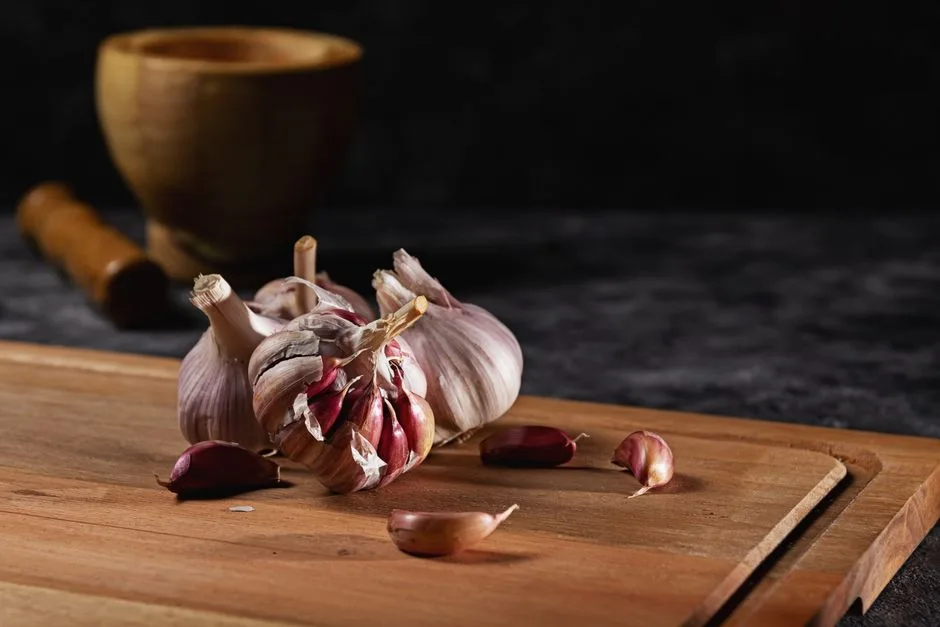
- Fresh garlic, especially when crushed, chopped, or minced rather than left whole
- Garlic oil and garlic oil macerates, used in some traditional preparations
- Aged garlic extract and other garlic-derived supplements, which contain diallyl disulfide alongside allicin, diallyl trisulfide, and S-allyl cysteine
- Onions and other Allium vegetables, in smaller amounts, since they share some of the same organosulfur chemistry
Cooking method matters. Crushing raw garlic and letting it sit for a few minutes before cooking allows more of the alliinase reaction to occur, which increases organosulfur compound formation.
Is it safe?
At the levels found in food, garlic and its natural organosulfur compounds are considered safe for most people.
Diallyl disulfide itself has a strong odor and can cause mild digestive upset, heartburn, or breath and body odor in sensitive individuals, similar to eating a lot of raw garlic.
Concentrated garlic oil or garlic extract supplements have not been studied as extensively in humans for long-term safety, and toxicity data at high doses is limited mostly to animal research[4].
Because garlic compounds can affect platelet function, people on blood thinners or those preparing for surgery are often advised to be cautious with concentrated garlic supplements, though this article is not a substitute for personalized medical guidance.
Who might be curious about it?
- People interested in the mechanisms behind garlic's traditional reputation for heart and metabolic health
- Those already eating garlic regularly who want to understand what compound might be doing the work
- Researchers and clinicians tracking early-stage findings on hydrogen sulfide biology and liver fat metabolism
- People who are not looking for a quick fix, since the human evidence here is still preliminary
Bottom line
Diallyl disulfide is a genuinely interesting compound with plausible biological mechanisms, from hydrogen sulfide generation to effects on liver lipid handling and oxidative stress[1][2][3].
The LDL cholesterol data leans toward a modest benefit, but with a D evidence grade, it is far from proven[4].
For now, the most defensible approach is simply enjoying garlic as part of a varied diet, rather than expecting isolated diallyl disulfide to meaningfully change cholesterol or other health markers on its own.
Frequently asked questions
Does diallyl disulfide lower cholesterol?
Available data trends toward a decrease in LDL cholesterol, but the evidence grade is a D from only five sources, so this is preliminary rather than confirmed[4].
What foods contain diallyl disulfide?
It forms mainly in crushed or chopped garlic, and in smaller amounts in other Allium vegetables like onions, as well as in garlic oil and aged garlic extract supplements.
Is diallyl disulfide the same as allicin?
No, they are related but distinct. Allicin forms first when garlic is crushed, and it breaks down further into diallyl disulfide, diallyl trisulfide, and other organosulfur compounds[2].
Can diallyl disulfide help with liver fat?
In one animal study using a comparative fish-to-tetrapod model, diallyl disulfide reduced hepatic steatosis by improving lipid droplet and mitochondria coupling, though this has not been confirmed in humans[3].
Sources
- Enhanced non-enzymatic H(2)S generation extends lifespan and healthspan in male mice · PMID 41421349
- Antiferroptotic properties of allicin and related organosulfur compounds-diallyl disulfide and diallyl trisulfide-from Garlic · PMID 39580015
- Diallyl disulfide alleviates hepatic steatosis by the conservative mechanism from fish to tetrapod: Augment Mfn2/Atgl-Mediated lipid droplet-mitochondria coupling · PMID 39447254
- Garlic (Allium sativum L.): Its Chemistry, Nutritional Composition, Toxicity, and Anticancer Properties · PMID 34749610
- Preventive Effect of Garlic Oil and Its Organosulfur Component Diallyl-Disulfide on Cigarette Smoke-Induced Airway Inflammation in Mice · PMID 30400352