Epicatechin: What It Is and Why It May Support Vascular Health
Plant compound
Track the foods that fit your goals. Track it free with Ration →
Key takeaways
- Epicatechin is a flavanol found in cocoa, tea, and certain fruits
- Human and animal studies link it to increased nitric oxide and better endothelial function[2][4][5]
- Evidence is graded low (D) due to a small number of studies, though direction is consistent
- Whole foods like dark chocolate and cocoa provide it alongside other flavanols, without a clear supplement dose established
What is epicatechin?
Epicatechin is a flavanol, a subclass of plant flavonoids known for antioxidant and vascular activity.
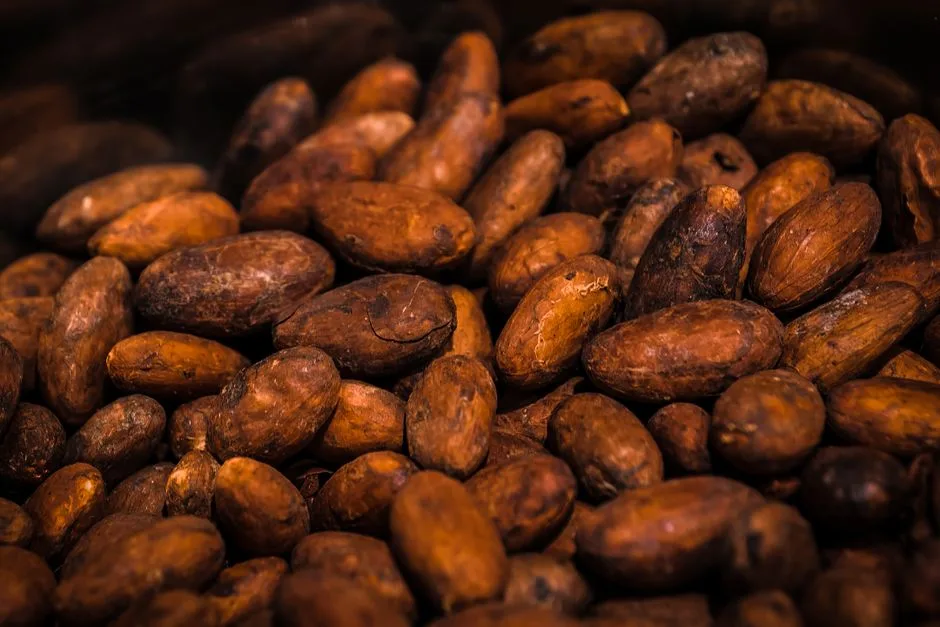
It occurs naturally in cocoa, dark chocolate, tea, apples, and grapes.
Much of the interest in epicatechin comes from cocoa research, where it is considered one of the main active compounds behind the vascular effects of flavanol rich chocolate[5].
How does it work?
Epicatechin appears to activate endothelial nitric oxide synthase (eNOS), the enzyme responsible for producing nitric oxide in the cells lining blood vessels[4].
Nitric oxide helps blood vessels relax and dilate, which is why compounds that raise it are often studied for blood pressure and circulation.
Animal research also suggests epicatechin may reduce oxidative stress and inflammation in vascular tissue, independent of its effect on blood pressure itself[3].
What does the evidence show?
The strongest human data come from small trials looking at endothelial function rather than hard outcomes like heart attacks or strokes.
A key human trial found that pure epicatechin improved flow mediated dilation, a marker of endothelial health, similarly to whole flavanol rich cocoa[2].
An earlier mechanistic study using cocoa in healthy volunteers linked its vascular benefits specifically to epicatechin content, rather than other cocoa compounds[5].
A 2022 study in healthy men reported that flavanol intake, including epicatechin, was associated with preserved immune and endothelial barrier cell function at the gene expression level[1].
- Nitric OxideDPreliminary
Research may raise Nitric Oxide · strong agreement · 5 studies
View 5 studies on PubMed
- Epicatechin: endothelial function and blood pressure (2012)
- Chronic (-)-epicatechin improves vascular oxidative and inflammatory status but not hypertension in chronic nitric oxide-deficient rats (2011)
- Flavanol Consumption in Healthy Men Preserves Integrity of Immunological-Endothelial Barrier Cell Functions: Nutri(epi)genomic Analysis (2022)
- (-)-epicatechin activation of endothelial cell endothelial nitric oxide synthase, nitric oxide, and related signaling pathways (2010)
- (-)-Epicatechin mediates beneficial effects of flavanol-rich cocoa on vascular function in humans (2006)
Our database grades the nitric oxide effect as a D, reflecting that only five studies inform this consensus.
That grade does not mean the effect is weak. It means the evidence base is still thin, and larger, longer trials would help confirm consistency across populations.
Animal studies add mechanistic support but cannot be assumed to translate directly to humans[3][4].
Does it lower blood pressure?
This is where the picture gets more mixed.
Human trials generally show improved endothelial function and nitric oxide related signaling with epicatechin or epicatechin rich cocoa[2][5].
But a chronic rodent study found that despite improving vascular oxidative and inflammatory markers, epicatechin did not correct existing hypertension in a nitric oxide deficient model[3].
This suggests epicatechin may support healthier vessel function without necessarily acting as a blood pressure lowering agent on its own.
Food and supplement sources
- Dark chocolate and cocoa powder, especially minimally processed varieties
- Green and black tea
- Apples, particularly with the skin
- Grapes and red wine
- Berries, in smaller amounts
- Cocoa flavanol supplements, standardized for epicatechin content
Processing matters a lot. Dutch processed or alkalized cocoa loses much of its flavanol content, including epicatechin, compared to less processed cocoa.
How much do you need?
There is no established daily requirement or clinical dose for epicatechin, since it is a dietary flavanol rather than an essential nutrient.
Human trials showing endothelial benefits have generally used cocoa flavanol extracts providing tens of milligrams of epicatechin, alongside other related flavanols like catechin[2][5].
Whole food sources deliver epicatechin together with fiber, polyphenols, and other compounds that may act together, which is different from an isolated supplement dose.
Is it safe?
Epicatechin from food sources like cocoa, tea, and fruit has a long history of safe consumption.
Concentrated cocoa flavanol supplements have been used in research settings without major safety signals reported in the cited studies, though these trials were small and short term[1][2].
As with any concentrated plant extract, people taking blood pressure medication or with cardiovascular conditions may want to discuss supplement use with a healthcare provider before starting, given its effects on vascular signaling.
Who might consider it?
- People interested in cardiovascular and endothelial health as part of a broader diet
- Those who already enjoy dark chocolate, cocoa, or tea and want to understand their vascular relevance
- Researchers and readers curious about nitric oxide related plant compounds
- Not a substitute for people managing diagnosed hypertension or cardiovascular disease under medical care
Bottom line
Epicatechin has some of the more mechanistically clear human vascular data among dietary flavonoids, with consistent links to nitric oxide signaling and endothelial function[2][4][5].
The evidence grade remains low simply because the research pool is small, not because findings have been contradictory.
Getting epicatechin through whole foods like cocoa, tea, and apples remains the most well supported approach, rather than relying on isolated supplementation.
Frequently asked questions
Does epicatechin really increase nitric oxide?
Human and cell based research consistently links epicatechin to increased nitric oxide signaling via eNOS activation, though the evidence base is still small[4][5].
Is dark chocolate a good source of epicatechin?
Yes, minimally processed dark chocolate and cocoa are among the richest dietary sources, since processing methods like Dutching can strip flavanol content.
Can epicatechin lower blood pressure?
Evidence is mixed. It appears to improve endothelial function and vascular oxidative status, but one animal study found it did not reverse existing hypertension[3].
Is epicatechin the same as EGCG in green tea?
No. Epicatechin is a related but distinct flavanol, and EGCG is a gallate ester of epicatechin found abundantly in green tea.
Sources
- Flavanol Consumption in Healthy Men Preserves Integrity of Immunological-Endothelial Barrier Cell Functions: Nutri(epi)genomic Analysis · PMID 35094491
- Epicatechin: endothelial function and blood pressure · PMID 22440087
- Chronic (-)-epicatechin improves vascular oxidative and inflammatory status but not hypertension in chronic nitric oxide-deficient rats · PMID 21910946
- (-)-epicatechin activation of endothelial cell endothelial nitric oxide synthase, nitric oxide, and related signaling pathways · PMID 20404222
- (-)-Epicatechin mediates beneficial effects of flavanol-rich cocoa on vascular function in humans · PMID 16418281