Fenugreek: Benefits for Blood Sugar and Testosterone, According to Research
Botanical / supplement
Track the foods that fit your goals. Track it free with Ration →
Key takeaways
- Fenugreek is a seed used in cooking and traditional medicine, now studied for glucose control and testosterone support
- Meta-analyses grade the evidence for lowering fasting glucose and raising total testosterone as strong (grade A)[4][6][8]
- Effects are real but modest, and fenugreek works best alongside, not instead of, standard care
- Side effects are usually mild, though people on diabetes medication should be cautious about added glucose-lowering effects
What is fenugreek?
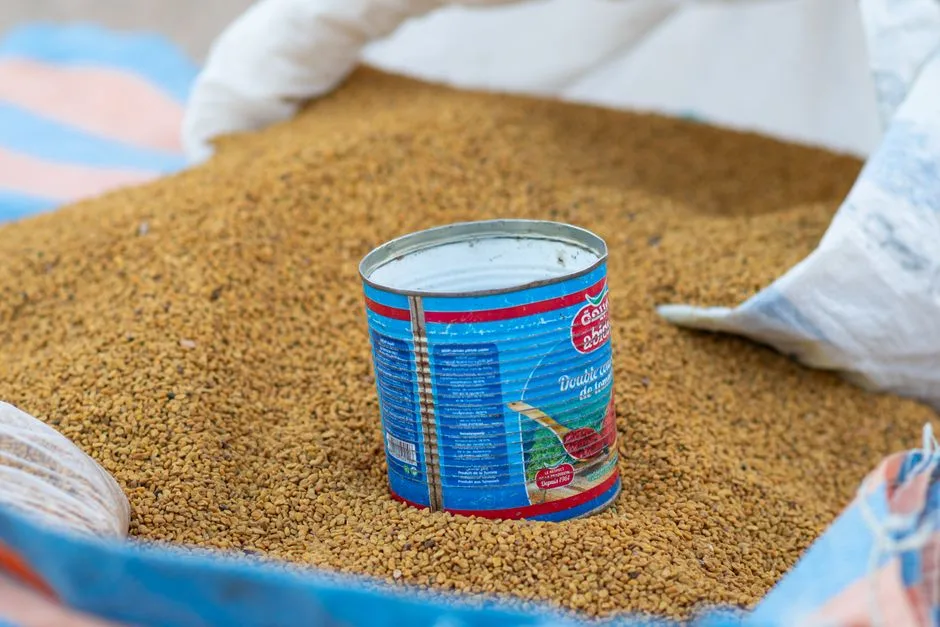
Fenugreek (Trigonella foenum-graecum) is a small, aromatic seed common in Indian, Middle Eastern, and North African cooking.
The seeds are rich in soluble fiber, plant compounds called saponins, and an amino acid called 4-hydroxyisoleucine, which researchers think plays a role in its effects on blood sugar.
Fenugreek is sold as whole seeds, powder, and standardized extracts, often marketed for either metabolic health or male hormone support.
How does fenugreek work?
For blood sugar, fenugreek's soluble fiber slows carbohydrate absorption in the gut, which blunts the rise in glucose after meals.
The amino acid 4-hydroxyisoleucine found in the seeds may also stimulate insulin release, an effect first demonstrated in animal studies[11].
For testosterone, the proposed mechanism is different. Fenugreek extracts appear to inhibit enzymes like aromatase and 5-alpha-reductase, which normally convert testosterone into estrogen or DHT, potentially leaving more testosterone circulating[1].
Does fenugreek lower blood sugar?
This is where the evidence is strongest. Our database grades the effect on fasting glucose as consensus decrease, evidence grade A, based on 6 sources.
- Total TestosteroneAHuman trials
Research may raise Total Testosterone · strong agreement · 6 studies
View 5 studies on PubMed
- Examining the Effects of Herbs on Testosterone Concentrations in Men: A Systematic Review. (2021)
- Effect of fenugreek extract supplement on testosterone levels in male: A meta-analysis of clinical trials (2020)
- Effect of a plant extract of fenugreek (Trigonella foenum-graecum) on testosterone in blood plasma and saliva in a double blind randomized controlled intervention study (2024)
- Testofen, a specialised Trigonella foenum-graecum seed extract reduces age-related symptoms of androgen decrease, increases testosterone levels and improves sexual function in healthy aging males in a double-blind randomised clinical study (2016)
- Withania somnifera and Trigonella foenum-graecum as ingredients of testosterone-boosting supplements: Possible clinical implications (2025)
- Fasting GlucoseAHuman trials
Research may lower Fasting Glucose · strong agreement · 6 studies
View 5 studies on PubMed
- The Effect of Fenugreek in Type 2 Diabetes and Prediabetes: A Systematic Review and Meta-Analysis of Randomized Controlled Trials (2023)
- Effect of saffron and fenugreek on lowering blood glucose: A systematic review with meta-analysis (2023)
- Effect of Fenugreek on Hyperglycemia: A Systematic Review and Meta-Analysis (2023)
- Effect of fenugreek seeds on blood glucose and serum lipids in type I diabetes (1990)
- Effect of Fenugreek Use on Fasting Blood Glucose, Glycosylated Hemoglobin, Body Mass Index, Waist Circumference, Blood Pressure and Quality of Life in Patients with Type 2 Diabetes Mellitus: A Randomized, Double-Blinded, Placebo-Controlled Clinical Trials (2019)
Multiple systematic reviews and meta-analyses of randomized controlled trials back this up. One pooled analysis found fenugreek significantly reduced fasting blood glucose and hemoglobin A1c compared to control[4].
Another meta-analysis focused specifically on people with type 2 diabetes and prediabetes found consistent glucose-lowering effects across trials[6].
A separate review comparing fenugreek and saffron found both herbs lowered blood glucose, with fenugreek showing a more reliable effect across studies[5].
Older clinical work supports this too. A small but classic randomized trial in people with type 1 diabetes found fenugreek seeds improved fasting glucose and lipid profiles[12], and a more recent trial in type 2 diabetes patients reported improvements in fasting glucose, A1c, and even waist circumference[9].
Does fenugreek raise testosterone?
The database also grades fenugreek's effect on total testosterone as consensus increase, evidence grade A, from 6 sources, though the size of the effect is more modest than the glucose findings.
A meta-analysis of clinical trials using fenugreek extract supplements found a statistically significant increase in testosterone levels in men[8].
A broader systematic review of herbal supplements and testosterone singled out fenugreek as one of the few herbs with consistent supportive evidence, alongside ashwagandha[7].
A well known randomized controlled trial using the branded extract Testofen found it increased testosterone and improved self-reported sexual function and mood in aging men over 6 weeks[10].
More recent double blind trials measuring testosterone in both blood and saliva have replicated modest increases[3], and a 2025 review discussed fenugreek alongside ashwagandha as a plausible ingredient in testosterone-support supplements, while cautioning that effect sizes remain small[1].
One animal study raised a more cautionary note, finding that fenugreek extract affected prostate tissue changes induced by testosterone propionate, a reminder that hormone-active compounds can have effects beyond the ones marketed on the label[2].
Food and supplement sources
- Whole fenugreek seeds, often toasted or added to spice blends
- Fenugreek powder, used in curries, pickles, and some breads
- Fenugreek leaves (methi), used as a fresh or dried herb
- Standardized seed extracts, often labeled for testosterone support (like Testofen)
- Fenugreek capsules marketed for blood sugar or lactation support
How much fenugreek do people use?
Clinical trials for blood sugar have generally used doses in the range of 5 to 100 grams of fenugreek seed powder per day, often split with meals, though many studies cluster around 10 to 25 grams daily[4][6].
Testosterone trials have typically used standardized extracts, such as 500 to 600 milligrams per day of a saponin-rich extract, over periods of 6 to 12 weeks[10][3].
Because extracts vary widely in concentration, doses used in one study are not directly comparable to another product's label.
Is fenugreek safe?
Fenugreek is generally well tolerated in the doses used in trials.
- Gastrointestinal upset, including bloating or diarrhea, is the most commonly reported side effect
- A distinctive maple syrup like body odor can occur with higher doses
- People taking insulin or other glucose-lowering medications should be mindful, since fenugreek's own glucose-lowering effect could stack with medication effects[4][9]
- Fenugreek has estrogenic and androgenic activity, so its long-term hormonal effects, including on the prostate, are not fully mapped out[2]
- It should be avoided during pregnancy outside of food amounts, since it may stimulate uterine contractions
Who might consider fenugreek?
- People with prediabetes or type 2 diabetes looking for an adjunct, not a replacement, for standard glucose management[6][9]
- Men interested in a modest, evidence-supported boost to testosterone, alongside other lifestyle factors[8][10]
- People who already enjoy fenugreek in cooking and want a food-first way to support metabolic health
- Not a fit for anyone relying on it as a sole treatment for diabetes or low testosterone, since effects are real but modest
Bottom line
Fenugreek has some of the more consistent clinical evidence among herbal supplements, with grade A support for both lowering fasting glucose and raising total testosterone.
The effects in both cases are real but moderate, working best as a complement to diet, exercise, and, where relevant, medical treatment rather than as a stand-alone fix.
Frequently asked questions
Does fenugreek actually lower blood sugar?
Yes, multiple meta-analyses of randomized trials show fenugreek modestly lowers fasting blood glucose and hemoglobin A1c[4][6].
Can fenugreek raise testosterone naturally?
Clinical trials and meta-analyses show fenugreek extracts can produce a modest increase in total testosterone in men[8][10].
How long does fenugreek take to work for testosterone?
Trials showing testosterone increases have typically run 6 to 12 weeks of daily supplementation[10][3].
Is fenugreek safe to take with diabetes medication?
It can be, but because fenugreek itself lowers blood glucose, combining it with insulin or other glucose-lowering drugs warrants caution and monitoring[4][9].
Does fenugreek have side effects?
The most common issues are digestive upset and a maple like body odor at higher doses; long-term hormonal effects are still not fully understood[2].
Sources
- Withania somnifera and Trigonella foenum-graecum as ingredients of testosterone-boosting supplements: Possible clinical implications · PMID 38628109
- Effect of Fenugreek Extract on Testosterone Propionate-Induced Benign Prostatic Hyperplasia · PMID 39941027
- Effect of a plant extract of fenugreek (Trigonella foenum-graecum) on testosterone in blood plasma and saliva in a double blind randomized controlled intervention study · PMID 39288153
- Effect of Fenugreek on Hyperglycemia: A Systematic Review and Meta-Analysis · PMID 36837450
- Effect of saffron and fenugreek on lowering blood glucose: A systematic review with meta-analysis · PMID 36992660
- The Effect of Fenugreek in Type 2 Diabetes and Prediabetes: A Systematic Review and Meta-Analysis of Randomized Controlled Trials · PMID 37762302
- Examining the Effects of Herbs on Testosterone Concentrations in Men: A Systematic Review · PMID 33150931
- Effect of fenugreek extract supplement on testosterone levels in male: A meta-analysis of clinical trials · PMID 32048383
- Effect of Fenugreek Use on Fasting Blood Glucose, Glycosylated Hemoglobin, Body Mass Index, Waist Circumference, Blood Pressure and Quality of Life in Patients with Type 2 Diabetes Mellitus: A Randomized, Double-Blinded, Placebo-Controlled Clinical Trials · PMID 34466512
- Testofen, a specialised Trigonella foenum-graecum seed extract reduces age-related symptoms of androgen decrease, increases testosterone levels and improves sexual function in healthy aging males in a double-blind randomised clinical study · PMID 26791805
- Effect of fenugreek seeds on the fasting blood glucose level in the streptozotocin induced diabetic rats · PMID 15284693
- Effect of fenugreek seeds on blood glucose and serum lipids in type I diabetes · PMID 2194788