Fisetin: What the Senolytic Hype Actually Gets Right
Plant compound
Track the foods that fit your goals. Track it free with Ration →
Key takeaways
- Fisetin is a flavonoid found in strawberries and other fruits, now studied as a senolytic that may help clear senescent cells
- Early rodent research links fisetin to increased autophagy and reduced senescent cell burden, though evidence grade is still low
- Human trials are limited; most support comes from mouse and cell studies[4][2]
- Considered generally safe as a food compound, but supplement doses used in research go well beyond dietary intake
What is fisetin?
Fisetin is a flavonoid, a type of plant pigment found in fruits and vegetables.
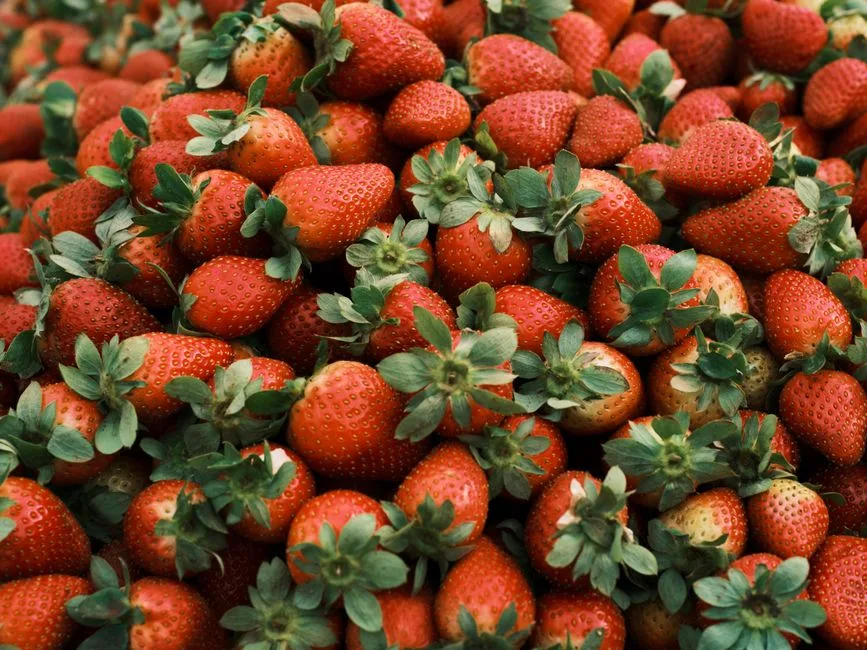
It shows up naturally in strawberries, apples, persimmons, onions, and cucumbers.
Researchers became interested in fisetin not for its antioxidant properties, but for a different role: helping the body clear out old, dysfunctional cells called senescent cells.
How does fisetin work?
As we age, some cells stop dividing but do not die. These are senescent cells, sometimes nicknamed 'zombie cells.'
They linger in tissue and secrete inflammatory signals that can affect nearby healthy cells[5].
Fisetin belongs to a class of compounds called senolytics, substances studied for their ability to selectively clear these senescent cells[3].
Fisetin has also been linked to increased autophagy, the cell's internal recycling process that clears damaged proteins and components. This connection to autophagy may be part of how it supports senescent cell clearance, though the evidence for this specific effect is still considered preliminary.
What does the evidence show?
The foundational study here is a 2018 paper that identified fisetin as a senotherapeutic and found it extended both healthspan and lifespan in mice[4].
That study used cell-based screens and animal models, showing fisetin reduced senescent cell markers in various tissues and improved measures of physical function in aged mice.
More recent work has extended this idea. A 2025 study found that specifically clearing senescent endothelial cells improved metabolic dysfunction in obese mice, supporting the broader theory that targeting senescence, whether by fisetin or other means, could have metabolic benefits[2].
Reviews on senolytics as a drug class describe fisetin alongside compounds like quercetin and the combination dasatinib plus quercetin, noting that most of this field is still in early translational stages, moving from lab discovery toward human trials[3][1].
- AutophagyDPreliminary
Research may raise Autophagy · strong agreement · 5 studies
View 5 studies on PubMed
- Endothelial senescent-cell-specific clearance alleviates metabolic dysfunction in obese mice (2025)
- Fisetin is a senotherapeutic that extends health and lifespan (2018)
- Senolytic drugs: from discovery to translation (2020)
- Cellular Senescence: A Translational Perspective (2017)
- Targeting Cellular Senescence for Healthy Aging: Advances in Senolytics and Senomorphics (2025)
It's worth being clear-eyed about what this grade means. An evidence grade of D with five supporting sources signals an interesting, consistent early signal, not an established human effect.
Nearly all of the strongest data comes from mouse and cell studies. Rigorous, large-scale human trials on fisetin and senescence outcomes are still lacking.
Where does fisetin come from?
- Strawberries, which have among the highest natural fisetin content of any commonly eaten food
- Apples
- Persimmons
- Cucumbers
- Onions
- Red grapes
Dietary intake of fisetin from these foods is modest compared to the doses used in animal senolytic research, where amounts are calculated per body weight and are far more concentrated.
Fisetin is also sold as a standalone supplement, often marketed toward longevity and healthy aging audiences, capitalizing on the senolytic research described above.
How much do people use, and in what form?
There is no established, agreed-upon human dose of fisetin for senolytic effects.
Animal studies have generally used intermittent, high-dose 'hit and run' protocols, based on the theory that senolytics need only brief exposure to clear senescent cells, rather than continuous daily dosing[3][4].
Human supplement products vary widely in dose and often lack the pharmacokinetic data needed to know how much reaches tissues, since fisetin has notably low natural bioavailability.
Is fisetin safe?
As a compound naturally present in common fruits, fisetin at dietary levels is considered safe.
Concentrated supplement doses are less studied in humans, and long-term safety data at senolytic-range doses is limited[1].
People taking medications metabolized by the liver, or those with underlying health conditions, may want to be cautious given the lack of robust human safety trials.
Who might be interested in fisetin?
- People following longevity and healthy-aging research with interest in senolytics as an emerging field
- Researchers and clinicians tracking translational senescence science, given ongoing interest in extending this work from mice to humans[1][2]
- People who simply enjoy eating more strawberries and other fisetin-rich fruits as part of a varied diet
Bottom line
Fisetin is a genuinely interesting compound in aging research, with real mechanistic and animal data behind its senolytic reputation[4][2].
The autophagy and senescence effects seen in cell and mouse studies have not yet been confirmed with strong human trial data.
Eating fisetin-containing fruits is a reasonable and low-risk choice. Relying on supplement doses for anti-aging effects gets ahead of what the current evidence can support.
Frequently asked questions
Does fisetin really clear senescent cells?
In mouse and cell studies, fisetin has reduced markers of senescent cells and improved healthspan measures[4]. Human confirmation is still lacking.
Is fisetin the same as quercetin?
No, they are different flavonoids, though both are studied as senolytics and are sometimes discussed together in senescence research[3].
Can I get enough fisetin from food alone?
Strawberries and other fruits provide dietary fisetin, but at levels much lower than the concentrated doses used in animal senolytic studies[4].
Is fisetin proven to extend human lifespan?
No. Lifespan extension has been shown in mice[4], but no human lifespan trials exist yet.
How does fisetin relate to autophagy?
Research links fisetin to increased autophagy, the cell's cleanup process, as one proposed mechanism behind its senolytic effects, though this evidence is still preliminary.
Sources
- Targeting Cellular Senescence for Healthy Aging: Advances in Senolytics and Senomorphics · PMID 40994903
- Endothelial senescent-cell-specific clearance alleviates metabolic dysfunction in obese mice · PMID 41270738
- Senolytic drugs: from discovery to translation · PMID 32686219
- Fisetin is a senotherapeutic that extends health and lifespan · PMID 30279143
- Cellular Senescence: A Translational Perspective · PMID 28416161