Genistein: The Soy Isoflavone Linked to Stronger Bones
Plant compound
Track the foods that fit your goals. Track it free with Ration →
Key takeaways
- Genistein is a soy isoflavone that acts as a weak phytoestrogen in the body
- Meta-analyses of randomized trials support a bone-protecting effect in postmenopausal women, graded A in our database
- Evidence for lowering LDL cholesterol is much weaker and inconsistent, graded D
- Found naturally in soybeans and soy foods, with supplements also available in aglycone form
What is genistein?
Genistein is an isoflavone, a type of plant compound found mostly in soybeans and soy-based foods.
It belongs to a broader class of compounds called phytoestrogens. These molecules can loosely bind to estrogen receptors in the body, producing effects that are much weaker than the body's own estrogen[7].
Because estrogen decline drives bone loss and shifts in cholesterol after menopause, researchers have long been curious whether genistein could help offset some of those changes[8].
How does genistein work?
Genistein binds preferentially to estrogen receptor beta, which is abundant in bone tissue[8].
Through this pathway, it may help slow the activity of osteoclasts, the cells that break down bone, while supporting the cells that build it[1].
Separately, researchers have explored whether genistein influences lipid metabolism in the liver, including pathways related to cholesterol synthesis and clearance, though this mechanism is less firmly established in humans[3].
Does genistein help bone density?
This is where the evidence for genistein is strongest.
A 2024 meta-analysis of randomized controlled trials found that isoflavone interventions, including genistein specifically, were associated with meaningful improvements in bone mineral density in postmenopausal women[1].
This builds on earlier meta-analyses reaching similar conclusions across different trial pools and time periods[2][4][5].
A dedicated randomized controlled trial in osteopenic postmenopausal women also found favorable changes in bone density and ultrasound bone parameters with genistein supplementation[6].
Taken together, this consistent pattern across multiple independent meta-analyses is why bone mineral density earns a grade A consensus for increase in our database.
The women studied in these trials were almost always postmenopausal, a period when declining estrogen accelerates bone loss and raises osteoporosis risk. It is not clear whether premenopausal people or men would see similar effects.
Does genistein lower cholesterol?
- Bone Mineral DensityAHuman trials
Research may raise Bone Mineral Density · strong agreement · 5 studies
View 5 studies on PubMed
- Isoflavone intervention and its impact on bone mineral density in postmenopausal women: a systematic review and meta-analysis of randomized controlled trials (2024)
- Effects of isoflavone interventions on bone mineral density in postmenopausal women: a systematic review and meta-analysis of randomized controlled trials (2020)
- Effects of phytoestrogens on bone mineral density during the menopause transition: a systematic review of randomized, controlled trials (2016)
- Soy isoflavones and bone mineral density in perimenopausal and postmenopausal Western women: a systematic review and meta-analysis of randomized controlled trials (2010)
- Genistein effects on quantitative ultrasound parameters and bone mineral density in osteopenic postmenopausal women (2009)
- EstradiolBHuman evidence
Research shows no clear effect on Estradiol · 1 study
View 1 study on PubMed
- LDL CholesterolDPreliminary
Research may lower LDL Cholesterol · strong agreement · 5 studies
View 5 studies on PubMed
- Different Effects of Maternal Low-Isoflavone Soy Protein and Genistein Consumption on Hepatic Lipid Metabolism of 21-Day-Old Male Rat Offspring (2017)
- [Phytoestrogens] (2003)
- Pharmacological activities of Genistein, an isoflavone from soy (Glycine max): part II--anti-cholesterol activity, effects on osteoporosis & menopausal symptoms (2001)
- Dietary soy-derived isoflavone phytoestrogens. Could they have a role in coronary heart disease prevention? (2000)
- Isoflavone aglycone-rich extract without soy protein attenuates atherosclerosis development in cholesterol-fed rabbits (2000)
The picture for LDL cholesterol is much murkier.
Some early research proposed that soy isoflavones, including genistein, might support coronary heart disease prevention through effects on lipid profiles[9].
Animal studies have shown some promise. In cholesterol-fed rabbits, an isoflavone aglycone-rich extract slowed the development of atherosclerosis[10]. In rat pups, maternal genistein exposure altered hepatic lipid metabolism compared to standard soy protein[3].
But animal and mechanistic data do not always translate cleanly to human LDL outcomes, and the overall pool of human evidence remains inconsistent and limited[8].
This is reflected in the grade D consensus in our database. A direction toward lowering LDL shows up across some sources, but the evidence quality behind it is weak, and the studies backing it up are fewer and less rigorous than the bone density trials.
In plain terms: if you are hoping genistein will meaningfully move your cholesterol numbers, the current science does not confidently support that.
Where do you get genistein?
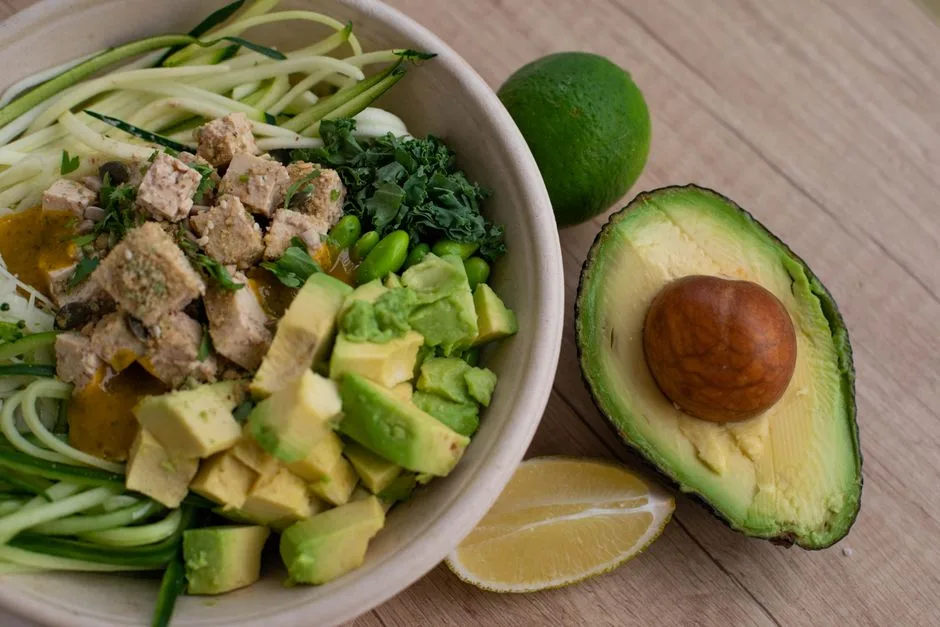
- Soybeans and edamame
- Tofu and tempeh
- Soy milk
- Miso
- Textured soy protein
- Genistein supplements, often sold as an isolated aglycone form
Whole soy foods deliver genistein alongside other isoflavones like daidzein, plus soy protein and fiber, which may matter for how the compound behaves in the body.
How much do you need, and what forms exist?
Trial doses of genistein or genistein-containing isoflavone extracts for bone health have generally ranged from around 30 to 60 mg per day, typically taken for a year or longer to detect changes in bone density[1][6].
Supplements are usually sold as isolated genistein aglycone, which is thought to be more readily absorbed than the sugar-bound forms found naturally in soy[8].
There is no established consensus dose for cholesterol-related benefits, given how limited and mixed that evidence is.
Is genistein safe?
In the postmenopausal bone trials, genistein has generally been tolerated over periods of one to three years[1][2].
Because genistein interacts with estrogen receptors, questions have been raised about its safety in people with a history of hormone-sensitive conditions. Trial populations have typically excluded people with active breast cancer or similar hormone-sensitive diagnoses, so data in those groups is limited.
Mild gastrointestinal effects have been reported in some soy isoflavone trials, though serious adverse events appear uncommon in the available studies[4][5].
This is general information about the research and not medical advice.
Who might consider genistein?
- Postmenopausal women interested in supporting bone mineral density, given the consistent trial evidence[1][2][4][5]
- People already eating soy foods regularly as part of their diet
- Those curious about phytoestrogens as a dietary pattern rather than a targeted cholesterol treatment
- Not a strong current option for someone specifically seeking to lower LDL cholesterol, given the weak grade D evidence
Bottom line
Genistein has some of the more convincing trial evidence among phytoestrogens when it comes to bone mineral density in postmenopausal women, backed by several independent meta-analyses[1][2][4][5].
Its reputation as a cholesterol-lowering compound rests on much thinner and more inconsistent ground, drawing mostly from animal studies and older mechanistic work[3][9][10].
Soy foods remain a reasonable way to get genistein alongside other nutrients, while supplement decisions are best weighed against the specific outcome someone is hoping to influence.
Frequently asked questions
Does genistein really help with bone loss after menopause?
Multiple meta-analyses of randomized controlled trials show genistein and related isoflavones are associated with improved bone mineral density in postmenopausal women, which is why this effect carries a grade A consensus[1][2][4][5].
Can genistein lower LDL cholesterol?
The evidence is weak and mixed, drawing mainly from animal and mechanistic studies rather than strong human trials, earning only a grade D consensus[3][9][10].
What foods contain genistein?
Soybeans, tofu, tempeh, soy milk and miso are the main dietary sources of genistein.
How long do genistein trials for bone density typically last?
Trials showing benefit for bone mineral density have generally run for one year or longer, using daily isoflavone doses in the range of about 30 to 60 mg[1][6].
Is genistein safe for everyone to consider?
It has been generally tolerated in postmenopausal bone trials, but its estrogen receptor activity means people with hormone-sensitive conditions have typically not been included in these studies[8].
Sources
- Isoflavone intervention and its impact on bone mineral density in postmenopausal women: a systematic review and meta-analysis of randomized controlled trials · PMID 37875614
- Effects of isoflavone interventions on bone mineral density in postmenopausal women: a systematic review and meta-analysis of randomized controlled trials · PMID 32524173
- Different Effects of Maternal Low-Isoflavone Soy Protein and Genistein Consumption on Hepatic Lipid Metabolism of 21-Day-Old Male Rat Offspring · PMID 28930193
- Effects of phytoestrogens on bone mineral density during the menopause transition: a systematic review of randomized, controlled trials · PMID 27710141
- Soy isoflavones and bone mineral density in perimenopausal and postmenopausal Western women: a systematic review and meta-analysis of randomized controlled trials · PMID 20673147
- Genistein effects on quantitative ultrasound parameters and bone mineral density in osteopenic postmenopausal women · PMID 19238303
- [Phytoestrogens] · PMID 14556117
- Pharmacological activities of Genistein, an isoflavone from soy (Glycine max): part II--anti-cholesterol activity, effects on osteoporosis & menopausal symptoms · PMID 12562012
- Dietary soy-derived isoflavone phytoestrogens. Could they have a role in coronary heart disease prevention? · PMID 10807939
- Isoflavone aglycone-rich extract without soy protein attenuates atherosclerosis development in cholesterol-fed rabbits · PMID 10917898