Glucoraphanin: The Broccoli Sprout Compound Behind Sulforaphane
Plant compound
Track the foods that fit your goals. Track it free with Ration →
Key takeaways
- Glucoraphanin is a natural compound in broccoli and other cruciferous vegetables that converts into sulforaphane.
- Early research links it to activation of the Nrf2 antioxidant pathway, though evidence is still limited.
- Broccoli sprouts contain far more glucoraphanin than mature broccoli.
- Current human evidence is preliminary, mostly from small trials and animal studies.
What is glucoraphanin?
Glucoraphanin is a glucosinolate, a type of sulfur-containing compound found in cruciferous vegetables.
It is especially concentrated in broccoli, and even more so in broccoli sprouts.
On its own, glucoraphanin does not do much. It needs to be converted into its active form, sulforaphane, to have biological effects.
How does it work?
When you chew or chop raw broccoli, an enzyme called myrosinase gets released from plant cells and converts glucoraphanin into sulforaphane.
Cooking can destroy myrosinase, which is why raw or lightly steamed broccoli and sprouts tend to yield more sulforaphane than fully cooked broccoli.[1]
Gut bacteria can also perform this conversion to some degree, even when myrosinase has been deactivated by cooking, though less efficiently.[1]
Once formed, sulforaphane is thought to activate a cellular stress response pathway called Nrf2, which helps regulate the body's production of antioxidant and detoxification enzymes.[4]
What does the evidence show?
Most of what we know about glucoraphanin comes from cell and animal studies, with a smaller number of early human trials.
- Nrf2 Antioxidant PathwayDPreliminary
Research may raise Nrf2 Antioxidant Pathway · strong agreement · 5 studies
View 5 studies on PubMed
- Impact of Glucoraphanin-Mediated Activation of Nrf2 on Non-Alcoholic Fatty Liver Disease with a Focus on Mitochondrial Dysfunction (2019)
- Glucoraphanin: a broccoli sprout extract that ameliorates obesity-induced inflammation and insulin resistance (2018)
- KEAP1 and Done? Targeting the NRF2 Pathway with Sulforaphane (2017)
- Sulforaphane: translational research from laboratory bench to clinic (2013)
- Broccoli or Sulforaphane: Is It the Source or Dose That Matters? (2019)
In rodent models of non-alcoholic fatty liver disease, glucoraphanin supplementation activated Nrf2 signaling and appeared to improve mitochondrial function in liver cells.[2]
A separate animal study found that glucoraphanin from broccoli sprout extract reduced markers of inflammation and improved insulin resistance in the context of diet-induced obesity.[3]
Reviews of sulforaphane research describe it as one of the more potent known activators of the Nrf2 pathway, which plays a role in the body's antioxidant defenses.[4][5]
That said, the evidence graded here is rated D, meaning it is based on a small number of studies, largely preclinical, with limited confirmation in humans.
It is also worth noting that the amount and source of broccoli or sprouts used across studies varies widely, which makes comparing doses and outcomes difficult.[1]
Food and supplement sources
- Broccoli sprouts, which can contain up to 100 times more glucoraphanin than mature broccoli heads
- Broccoli, especially raw or lightly steamed
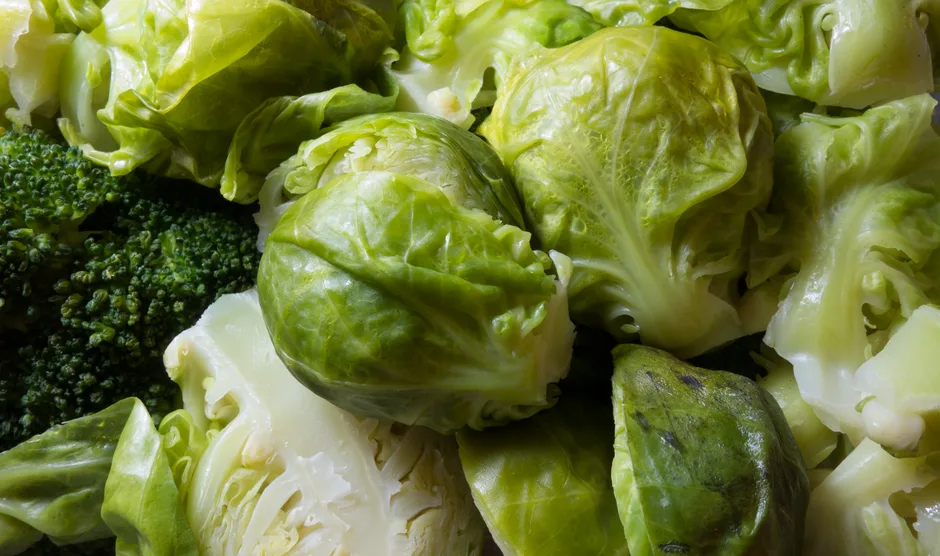
- Brussels sprouts
- Cabbage
- Kale
- Cauliflower
- Glucoraphanin or sulforaphane supplements and extracts, sold as broccoli sprout powders or standardized capsules
How much do you need?
There is no established daily requirement for glucoraphanin, and no consensus dose used consistently across clinical research.
Human trials investigating sulforaphane and its precursors have used a wide range of broccoli sprout extract doses, and researchers have noted that the conversion efficiency from glucoraphanin to active sulforaphane can vary a lot between products and individuals.[1][5]
Supplements are typically standardized to a certain amount of glucoraphanin or active sulforaphane per serving, but potency and bioavailability differ by brand and formulation.
Is it safe?
Cruciferous vegetables like broccoli and broccoli sprouts have a long history of safe consumption as food.
Concentrated glucoraphanin or sulforaphane supplements have not been studied as extensively for long term safety, particularly at high doses.[5]
People taking medications metabolized by liver detoxification enzymes, or those with thyroid conditions, may want to be mindful of cruciferous vegetable intake, since glucosinolates can affect thyroid hormone metabolism in some contexts.
This is not medical advice, and anyone considering a supplement form should factor in their own health history.
Who might consider it?
- People interested in dietary sources of Nrf2 pathway activators, alongside other antioxidant-supporting foods
- Those already eating a diet rich in cruciferous vegetables who want to understand the compounds behind their reputed benefits
- Researchers and clinicians tracking early work on metabolic health and liver conditions like non-alcoholic fatty liver disease[2][3]
Bottom line
Glucoraphanin is the naturally occurring precursor to sulforaphane, one of the most studied compounds in broccoli and broccoli sprouts.
Preclinical research suggests it can activate the Nrf2 antioxidant pathway and may influence inflammation and metabolic markers, but this evidence is still early and graded low in strength.[2][3][4]
Eating broccoli, especially sprouts, remains the most well-established way to get glucoraphanin, while supplement research is still catching up.
Frequently asked questions
What is the difference between glucoraphanin and sulforaphane?
Glucoraphanin is the inactive precursor found in cruciferous vegetables, and it converts into sulforaphane, the active compound, when the plant is chewed, chopped, or digested.[1]
Do broccoli sprouts have more glucoraphanin than broccoli?
Yes, broccoli sprouts generally contain much higher concentrations of glucoraphanin than mature broccoli heads.[1]
Does cooking destroy glucoraphanin's benefits?
Cooking can deactivate the enzyme needed to convert glucoraphanin into sulforaphane, which may reduce the amount your body can produce, though gut bacteria can still perform some conversion.[1]
Sources
- Broccoli or Sulforaphane: Is It the Source or Dose That Matters? · PMID 31590459
- Impact of Glucoraphanin-Mediated Activation of Nrf2 on Non-Alcoholic Fatty Liver Disease with a Focus on Mitochondrial Dysfunction · PMID 31775341
- Glucoraphanin: a broccoli sprout extract that ameliorates obesity-induced inflammation and insulin resistance · PMID 29898626
- KEAP1 and Done? Targeting the NRF2 Pathway with Sulforaphane · PMID 29242678
- Sulforaphane: translational research from laboratory bench to clinic · PMID 24147970