Grape Seed Extract and Blood Pressure: What the Research Shows
Botanical / supplement
Track the foods that fit your goals. Track it free with Ration →
Key takeaways
- Multiple meta-analyses link grape seed extract to modest reductions in systolic blood pressure[2][5]
- Effects appear strongest in people who already have elevated blood pressure or metabolic risk factors[1][3]
- It is rich in oligomeric proanthocyanidins (OPCs), plant compounds thought to support blood vessel function
- Doses in studies vary widely, and long-term safety data are still limited
What is grape seed extract?
Grape seed extract is made from the seeds of Vitis vinifera grapes, the same species used to make wine.
The seeds are a concentrated source of polyphenols, especially oligomeric proanthocyanidins (OPCs), along with smaller amounts of flavonoids and resveratrol.
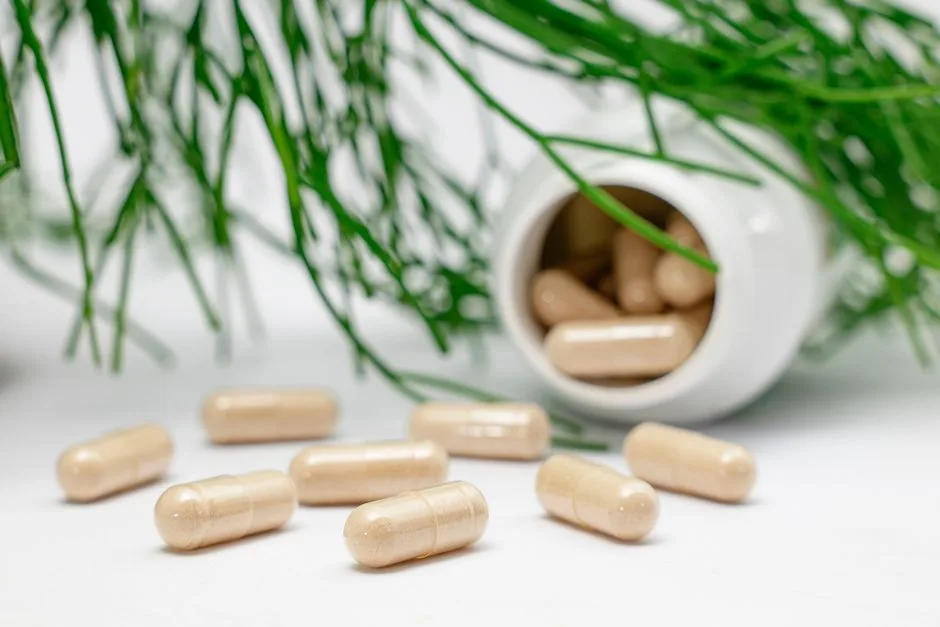
As a supplement, it is sold as capsules or tablets, often standardized to a specific OPC content.
How might it lower blood pressure?
Researchers think the polyphenols in grape seed extract help blood vessels relax by supporting nitric oxide activity, a molecule that signals vessel walls to widen.
This is sometimes measured in studies as flow-mediated dilation, a test of how well an artery expands in response to increased blood flow[2].
Antioxidant effects may also play a role, since oxidative stress can damage the lining of blood vessels and stiffen arteries over time.
Does grape seed extract actually lower blood pressure?
The evidence here is more consistent than for many supplements. Several meta-analyses pooling randomized controlled trials report small but statistically significant reductions in systolic blood pressure with grape seed extract supplementation[2][5].
A 2016 meta-analysis of 16 randomized controlled trials found meaningful drops in systolic blood pressure, with larger effects in trials involving people who were obese, had metabolic syndrome, or were younger[5].
A 2022 systematic review with dose and duration response analysis confirmed blood pressure benefits and also looked at flow-mediated dilation and heart rate, finding blood pressure improvements were the most robust finding[2].
A 2021 review focused specifically on bilberry and grape seed extract combinations across different populations, noting improvements in blood pressure alongside more mixed results for glucose and cholesterol metabolism[3].
In the PRECISE study, a double-blind, placebo-controlled crossover trial, a combined grape seed and bilberry extract reduced blood pressure in people at risk of type 2 diabetes[1].
A smaller randomized trial in prehypertensive men found that grape seed extract blunted the rise in blood pressure that normally occurs during exercise, suggesting a possible protective effect during physical exertion[4].
- Systolic Blood PressureAHuman trials
Research may lower Systolic Blood Pressure · strong agreement · 5 studies
View 5 studies on PubMed
- Efficacy of Bilberry and Grape Seed Extract Supplement Interventions to Improve Glucose and Cholesterol Metabolism and Blood Pressure in Different Populations-A Systematic Review of the Literature (2021)
- The effect of grape (Vitis vinifera) seed extract supplementation on flow-mediated dilation, blood pressure, and heart rate: A systematic review and meta-analysis of controlled trials with duration- and dose-response analysis (2022)
- The impact of grape seed extract treatment on blood pressure changes: A meta-analysis of 16 randomized controlled trials (2016)
- Grape Seed Extract Supplementation Attenuates the Blood Pressure Response to Exercise in Prehypertensive Men (2018)
- A grape seed and bilberry extract reduces blood pressure in individuals at risk of developing type 2 diabetes: the PRECISE study, a double-blind placebo-controlled cross-over intervention study (2023)
Taken together, this is one of the more consistently graded effects in supplement research, with five studies and a high evidence grade pointing in the same direction: lower systolic blood pressure.
Who might see the biggest benefit?
- People with prehypertension or mildly elevated blood pressure
- People with metabolic syndrome or other cardiometabolic risk factors[3][5]
- People at risk of developing type 2 diabetes, based on the PRECISE trial population[1]
- Younger adults, who showed larger blood pressure responses in pooled analyses[5]
People with normal, healthy blood pressure appear to see smaller or negligible changes, which is a common pattern with blood pressure lowering supplements in general.
Food sources versus supplements
Grape seeds themselves are not something most people eat directly, so the extract is really the practical way to get a concentrated dose of these particular polyphenols.
- Grape seed extract capsules or tablets, often standardized for OPC content
- Red wine and grape skins, which contain related but different polyphenol profiles, including resveratrol
- Whole grapes, particularly darker varieties, as a general source of flavonoids
- Combination supplements pairing grape seed extract with bilberry extract, as used in some trials[1][3]
Diets rich in polyphenol containing foods generally, like berries, tea, and colorful vegetables, are associated with cardiovascular benefits, though this is a broader pattern than grape seed extract alone.
How much do you need?
Doses used in clinical trials have varied considerably, ranging from around 100 mg to over 300 mg per day, often taken for several weeks to a few months.
Dose response analysis suggests that duration and dose both influence the size of the blood pressure effect, though a single optimal dose has not been firmly established[2].
Because commercial products vary in OPC concentration and extraction method, the amount on a label may not translate directly to the doses studied in trials.
Is it safe?
Grape seed extract has generally been well tolerated in the clinical trials reviewed here, with no major safety signals reported across these studies.
Most trials have been relatively short, lasting weeks to a few months, so data on very long term daily use are limited.
People taking blood pressure medications or blood thinners should be aware that a supplement with measurable blood pressure lowering effects could theoretically add to those effects, though this has not been specifically tested in the cited trials.
As with any supplement, quality and purity can vary between brands, since supplements are not regulated as strictly as medications.
The bottom line
Grape seed extract stands out among supplements for having a reasonably consistent evidence base pointing to modest reductions in systolic blood pressure[2][5].
The effect seems most relevant for people who already have elevated blood pressure or related metabolic risk factors, rather than those with normal readings[1][3][5].
It is not a replacement for standard blood pressure management, but the research so far suggests it is a reasonably well supported option for people curious about polyphenol based approaches.
Frequently asked questions
Does grape seed extract really lower blood pressure?
Multiple meta-analyses of randomized controlled trials report modest reductions in systolic blood pressure with grape seed extract supplementation[2][5].
How long does it take to see an effect?
Trials showing benefits have generally lasted several weeks to a few months, and dose response analysis suggests both dose and duration matter[2].
Who benefits most from grape seed extract?
People with prehypertension, metabolic syndrome, or elevated diabetes risk appear to see the clearest blood pressure benefits in trials[1][3][5].
Can grape seed extract help during exercise?
One randomized trial in prehypertensive men found it blunted the rise in blood pressure during exercise, though this is based on a single small study[4].
Sources
- A grape seed and bilberry extract reduces blood pressure in individuals at risk of developing type 2 diabetes: the PRECISE study, a double-blind placebo-controlled cross-over intervention study · PMID 37351191
- The effect of grape (Vitis vinifera) seed extract supplementation on flow-mediated dilation, blood pressure, and heart rate: A systematic review and meta-analysis of controlled trials with duration- and dose-response analysis · PMID 34798267
- Efficacy of Bilberry and Grape Seed Extract Supplement Interventions to Improve Glucose and Cholesterol Metabolism and Blood Pressure in Different Populations-A Systematic Review of the Literature · PMID 34067538
- Grape Seed Extract Supplementation Attenuates the Blood Pressure Response to Exercise in Prehypertensive Men · PMID 29683391
- The impact of grape seed extract treatment on blood pressure changes: A meta-analysis of 16 randomized controlled trials · PMID 27537554