Kaempferol: What This Plant Flavonol Does in the Body
Plant compound
Track the foods that fit your goals. Track it free with Ration →
Key takeaways
What is kaempferol?
Kaempferol is a flavonol, a subclass of flavonoids found widely in plants.
It shows up alongside other flavonols like quercetin and myricetin in many of the same foods.
Researchers have been interested in kaempferol mainly for its antioxidant and anti-inflammatory activity in cell and animal studies[3][4].
How does it work?
In laboratory models, kaempferol appears to interfere with several inflammatory signaling pathways, including NF-kB, a master switch that turns on genes for inflammatory proteins[1][2].
It also seems to modulate cytokines, the signaling molecules immune cells use to communicate, and has shown antioxidant activity by scavenging reactive oxygen species[3][4].
Some research has looked at kaempferol in the context of specific infections, such as its effects on inflammation triggered by Helicobacter pylori in stomach tissue[5].
Most of this mechanistic work comes from cell cultures and animal models, so it describes plausible biology rather than confirmed effects in people.
Does kaempferol lower inflammation markers like CRP?
C-reactive protein, or CRP, is a blood marker that rises when the body is dealing with inflammation.
Our database tracks a consensus direction of decrease for kaempferol's effect on CRP, but the evidence grade is D, the lowest tier, based on 5 sources.
- C-Reactive ProteinDPreliminary
Research may lower C-Reactive Protein · strong agreement · 5 studies
View 5 studies on PubMed
- Kaempferol as a Dietary Anti-Inflammatory Agent: Current Therapeutic Standing (2020)
- Flavonols and Flavones as Potential anti‐Inflammatory, Antioxidant, and Antibacterial Compounds (2022)
- Research progress on pharmacokinetics, anti-inflammatory and immunomodulatory effects of kaempferol (2025)
- Kaempferol: Unveiling its anti-inflammatory properties for therapeutic innovation (2025)
- Anti-inflammatory effects of Kaempferol on Helicobacter pylori-induced inflammation (2019)
A grade D rating means the signal is inconsistent, small, or drawn mostly from preclinical or low quality human research rather than robust randomized trials[1][2][4].
In plain terms, there is a hint that kaempferol might nudge inflammation markers down, but it is far from a settled finding.
What foods contain kaempferol?
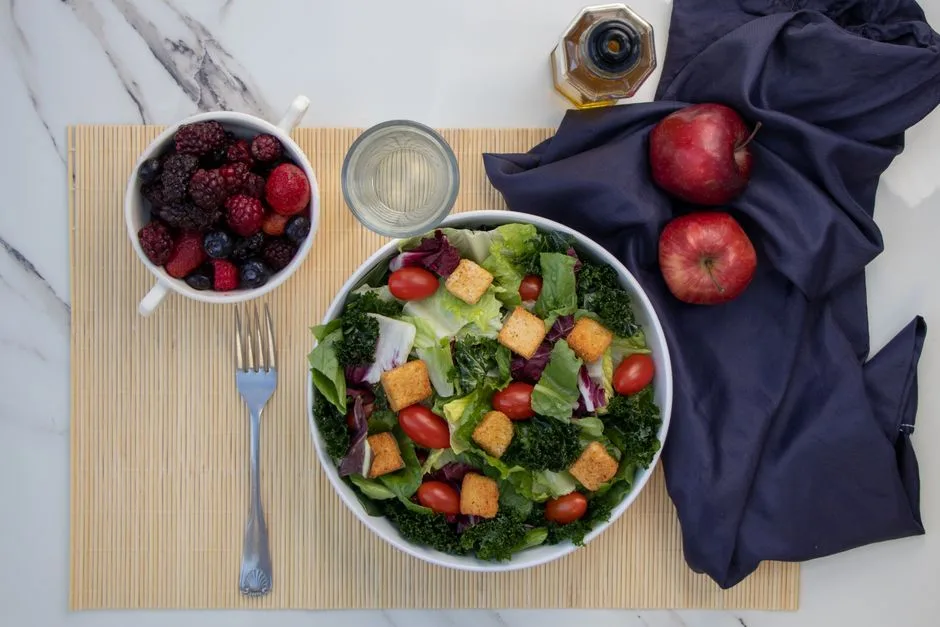
Kaempferol is naturally present in a range of common vegetables, fruits, and beverages.
- Kale
- Spinach
- Broccoli
- Brussels sprouts
- Strawberries
- Grapes
- Tomatoes
- Green tea and black tea
- Beans
Because it occurs in everyday produce, most people already consume some kaempferol through a varied diet rich in vegetables and fruit.
Is there a kaempferol supplement, and what dose would you take?
Kaempferol is sold in some supplement blends, often paired with quercetin or other flavonoids, but there is no established effective or safe dose in humans.
Studies use a wide range of doses in animal models, which do not translate directly into a human recommendation[2][4].
Pharmacokinetic research also notes that kaempferol has relatively low bioavailability, meaning only a modest fraction of what is consumed may actually reach circulation in an active form[2].
Is kaempferol safe?
As a compound naturally present in common foods, dietary kaempferol from vegetables, fruit, and tea is considered part of a normal diet.
Safety data on concentrated supplement forms are much thinner, and long term human trials are lacking[2][4].
People taking medications metabolized by liver enzymes, or those who are pregnant, may want to be cautious with concentrated flavonoid supplements given the limited safety research.
Who might be curious about kaempferol?
- People interested in the anti-inflammatory potential of a plant rich diet
- Those already eating kale, berries, or tea regularly for other reasons
- Researchers and clinicians tracking early stage anti-inflammatory compounds
- People with H. pylori related interest in gut inflammation research[5]
Bottom line
Kaempferol is a well studied flavonol with real anti-inflammatory and antioxidant activity in lab and animal research[1][3][4].
Its effect on human inflammation markers such as CRP is only weakly supported so far, with a low, grade D evidence rating.
Eating kaempferol rich foods like kale, broccoli, and tea fits comfortably into a healthy diet, while concentrated supplements remain an open research question rather than a proven tool.
Frequently asked questions
Does kaempferol reduce CRP or inflammation in humans?
Some research points toward a decrease, but the evidence is graded low, D level, based on a handful of studies[1][4].
What foods are highest in kaempferol?
Kale, spinach, broccoli, strawberries, grapes, beans, and tea are among the most commonly cited sources.
Is kaempferol the same as quercetin?
No, they are different but related flavonols that often occur together in the same plant foods and share some proposed anti-inflammatory mechanisms[3].
Can you take a kaempferol supplement?
Kaempferol supplements exist, but there is no established human dose, and safety and effectiveness data remain limited[2].
Sources
- Kaempferol: Unveiling its anti-inflammatory properties for therapeutic innovation · PMID 39754793
- Research progress on pharmacokinetics, anti-inflammatory and immunomodulatory effects of kaempferol · PMID 40054326
- Flavonols and Flavones as Potential anti-Inflammatory, Antioxidant, and Antibacterial Compounds · PMID 36111166
- Kaempferol as a Dietary Anti-Inflammatory Agent: Current Therapeutic Standing · PMID 32906577
- Anti-inflammatory effects of Kaempferol on Helicobacter pylori-induced inflammation · PMID 30286691