L-Glutamine for Muscle Recovery: Does It Actually Work?
Bioactive compound
Track the foods that fit your goals. Track it free with Ration →
Key takeaways
- L-glutamine is the most abundant amino acid in the body, and supplement makers market it heavily for muscle recovery.
- Small trials suggest it may modestly ease muscle soreness and speed strength recovery after tough workouts.
- Evidence is still limited to a handful of small studies, often combined with other amino acids like leucine.
- It appears safe for most healthy adults, but it is not a proven performance enhancer.
What is L-glutamine?
L-glutamine is an amino acid, one of the building blocks of protein.
It is classified as a conditionally essential amino acid. The body makes plenty of it on its own most of the time.
During intense exercise, illness, or periods of stress, glutamine stores can run low. That is the window where supplementation is thought to matter most.
You will find glutamine naturally in high protein foods.
- Chicken and turkey
- Beef
- Eggs
- Dairy products like milk and yogurt
- Fish
- Beans and lentils
- Spinach and cabbage
How is it supposed to help recovery?
Eccentric exercise, the kind involving muscle lengthening under load like downhill running or the lowering phase of a lift, causes small amounts of muscle damage.
This damage triggers inflammation, soreness, and temporary strength loss, often peaking one to two days later. This is commonly known as delayed onset muscle soreness, or DOMS.
Glutamine is thought to support recovery by helping buffer acid buildup in muscle tissue, supporting immune cell function, and possibly reducing the inflammatory response after damaging exercise[3].
Some researchers also pair it with leucine, a branched-chain amino acid, since the two may work through complementary pathways involved in muscle repair[1].
What does the evidence actually show?
The research on glutamine and recovery is small in scale but fairly consistent in direction.
In a randomized controlled trial, participants who took oral glutamine after unilateral knee extension eccentric exercise recovered muscle strength faster and reported less soreness compared to a placebo group[2].
A separate study looked at leucine alone versus a leucine-glutamine combination after eccentric exercise. Both approaches supported recovery, suggesting glutamine may add benefit when paired with other amino acids[1].
Older research on branched-chain amino acids, which included glutamine-related mechanisms, found that while performance itself was not enhanced, markers of muscle damage and immune function improved with supplementation[3].
Taken together, these studies point toward a real but modest effect on soreness and strength recovery, rather than any impact on strength gains or athletic performance itself.
- Muscle Soreness / RecoveryAHuman trials
Research may lower Muscle Soreness / Recovery · strong agreement · 3 studies
View 3 studies on PubMed
- The Influence of Oral L-Glutamine Supplementation on Muscle Strength Recovery and Soreness Following Unilateral Knee Extension Eccentric Exercise (2015)
- The effects of acute leucine or leucine-glutamine co-ingestion on recovery from eccentrically biased exercise (2018)
- Branched-chain amino acid supplementation does not enhance athletic performance but affects muscle recovery and the immune system (2008)
How much do people take, and in what form?
Doses used in recovery studies have generally ranged from about 0.1 to 0.3 grams per kilogram of body weight, taken in the hours following exercise[2].
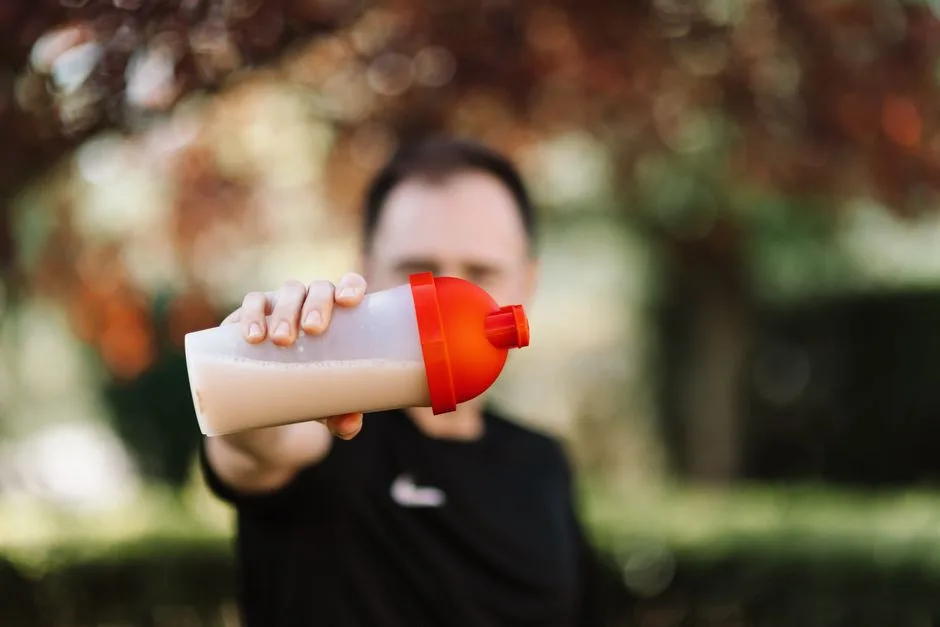
Powdered L-glutamine is the most common supplement form, usually mixed into water or a post-workout shake. Capsules are also available.
Some products combine glutamine with leucine or other branched-chain amino acids, reflecting how it has been studied in combination trials[1].
There is no established consumer dosing guideline outside of these research contexts, so amounts vary widely between commercial products.
Is it safe?
L-glutamine has a long history of use in clinical nutrition, including in medical settings for gut and immune support, and is generally considered well tolerated in healthy adults.
The exercise trials cited here did not report serious adverse effects at the doses tested[1][2][3].
Mild digestive upset is the most commonly reported issue with amino acid supplements in general.
People with kidney or liver conditions, or anyone managing a chronic health issue, should be cautious with any amino acid supplement given the limited long term safety data specific to glutamine.
Who might consider it?
Glutamine is most relevant to people doing exercise that causes noticeable muscle damage.
- Runners after downhill or long distance running
- Lifters after heavy eccentric training sessions
- Athletes returning from a period of detraining
- Anyone experiencing unusually severe DOMS after a new workout program
It is less clear whether glutamine offers any benefit for people doing light or moderate exercise that does not produce significant muscle damage.
Bottom line
L-glutamine is not a performance booster, but the trials we have suggest it may help take the edge off soreness and support faster strength recovery after hard eccentric exercise[1][2][3].
The evidence base is still small, so these findings should be seen as promising rather than definitive.
For most people, prioritizing overall protein intake, sleep, and gradual training progression will matter more than any single amino acid supplement.
Frequently asked questions
Does L-glutamine reduce muscle soreness?
Small trials suggest it may reduce soreness and speed strength recovery after eccentric exercise, though the evidence base is still limited[2].
Should I take L-glutamine with leucine?
Some research has paired the two amino acids and found supportive effects on recovery, so combination products are common in practice[1].
Does L-glutamine improve athletic performance?
Research does not support a direct performance boost, though it may aid muscle recovery and immune markers after intense training[3].
Sources
- The effects of acute leucine or leucine-glutamine co-ingestion on recovery from eccentrically biased exercise · PMID 29770871
- The Influence of Oral L-Glutamine Supplementation on Muscle Strength Recovery and Soreness Following Unilateral Knee Extension Eccentric Exercise · PMID 25811544
- Branched-chain amino acid supplementation does not enhance athletic performance but affects muscle recovery and the immune system · PMID 18974721