Lead in Food: Where It Comes From and How to Reduce It
Contaminants
Track your food and see where lead adds up. Track it free with Ration →
Key takeaways
- Lead is a cumulative neurotoxin with no known safe level, and children are the most vulnerable.
- Dietary lead comes mostly from contamination — soil, water, certain spices and imported goods — rather than the food itself.
- Filtering water, vetting imported spices and pottery, and washing produce are the main levers.
What lead load means
Lead is a heavy metal with no biological role and no safe level of exposure; even low chronic intake is a concern, especially for the developing brain in children.[2] Unlike a nutrient, lead in food is almost always contamination — from soil, old plumbing, industrial residue, or adulterated products — rather than something intrinsic to the food.[3]
Why you might want to limit it
Lead accumulates in bone and soft tissue and is linked to cognitive and developmental harm in children and cardiovascular and kidney effects in adults. Because the biggest sources are contamination routes, dietary surveys find that lead exposure clusters around specific vectors rather than mainstream foods.[1] That makes the exposure very reducible once you know where it hides.
Where dietary lead hides
- Drinking water from old lead pipes or fixtures
- Certain imported spices, notably some turmeric, and imported candies
- Food stored or cooked in lead-glazed ceramics or leaded crystal
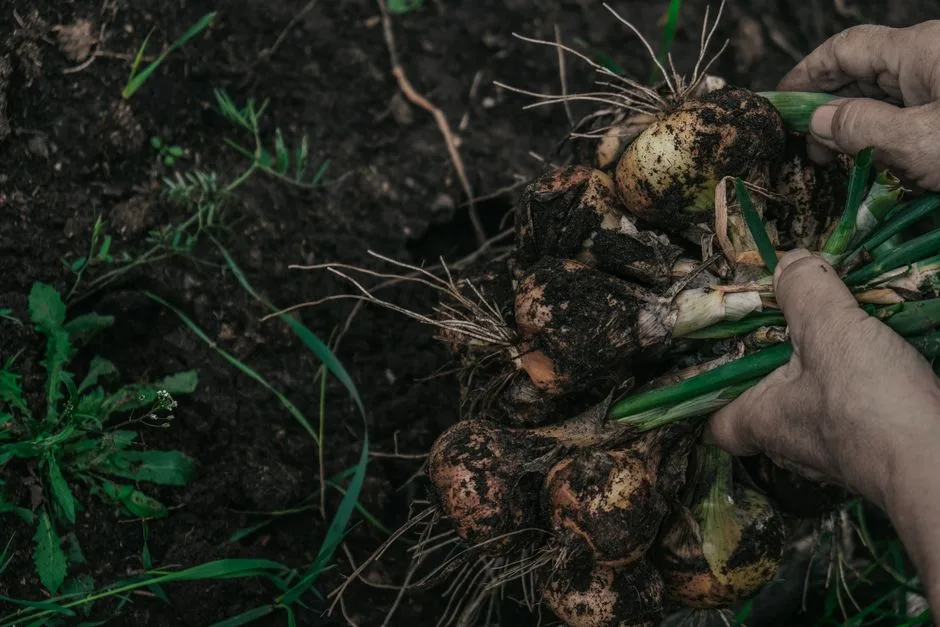
- Produce and herbs grown in contaminated urban or roadside soil
- Some game meat taken with lead ammunition
How to cut it
The levers match the sources: run the tap and use a certified filter if you have older plumbing; buy spices from reputable brands that test for heavy metals; do not store or cook acidic foods in unknown glazed pottery; wash produce and peel root vegetables from uncertain soil; and grow food in raised beds with clean soil rather than directly in urban ground.
Bottom line
Lead is a contamination problem, not a food problem — which means it is largely avoidable. Filter suspect water, vet imported spices and pottery, and wash produce well, with the most care for young children. Research summary, not medical advice.
Sources
- A systematic review on food lead concentration and dietary lead exposure in China. 2014. · PMID 25146625
- Environmental exposure to low-level lead (Pb) co-occurring with other neurotoxicants in early life and neurodevelopment of children. 2019. · PMID 31421445
- Hazards of heavy metal contamination. Br Med Bull. 2003. · PMID 14757716