Oleuropein: The Olive Leaf Compound Linked to Lower Blood Pressure
Plant compound
Track the foods that fit your goals. Track it free with Ration →
Key takeaways
- Oleuropein is a polyphenol found in olive leaves, olive fruit, and extra virgin olive oil.
- Human trials, including several randomized controlled trials, consistently link olive leaf extract to reductions in systolic blood pressure.
- It appears to work through antioxidant and vasodilating effects on blood vessels.
- Olive leaf extract supplements are generally well tolerated, though it is not a substitute for prescribed blood pressure treatment.
What is oleuropein?
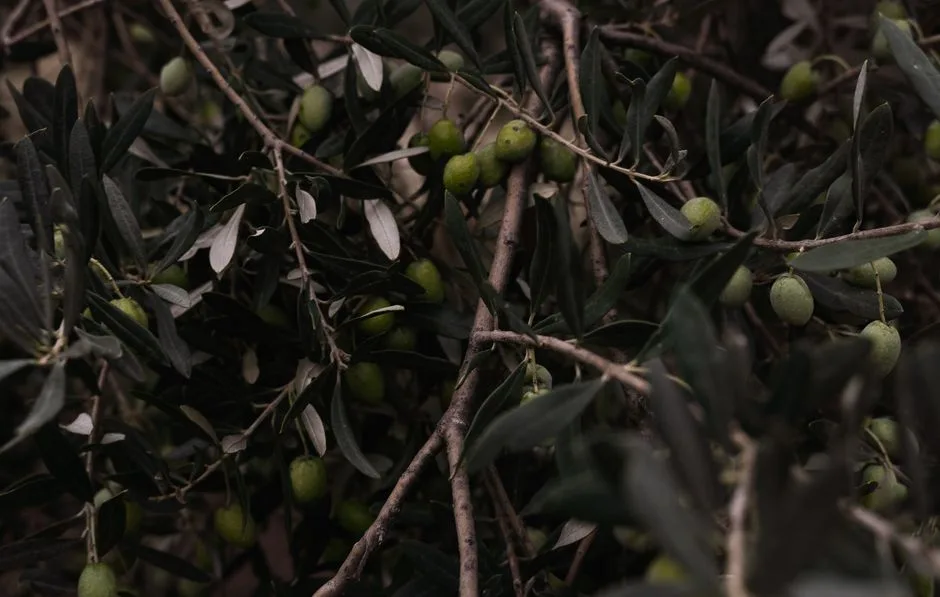
Oleuropein is a bitter-tasting polyphenol found throughout the olive tree.
It is especially concentrated in olive leaves, but also occurs in unripe olives and extra virgin olive oil.
During olive ripening and oil processing, oleuropein breaks down into other compounds, including hydroxytyrosol and oleocanthal, both of which have their own studied effects on health.
Most modern research on oleuropein uses concentrated olive leaf extract rather than food amounts, since extracts allow for a standardized, measurable dose.
How might it lower blood pressure?
Researchers believe oleuropein supports blood vessel function in a few overlapping ways.
- Acting as an antioxidant that may reduce oxidative stress on blood vessel walls[5]
- Supporting nitric oxide activity, which helps blood vessels relax and widen[5]
- Showing mild diuretic-like effects in some experimental models[5]
- Potentially working alongside minerals like potassium to support healthy blood pressure regulation[2]
These mechanisms are drawn mostly from early laboratory and mechanistic work, so they should be viewed as plausible explanations rather than settled biology.
What does the evidence show?
Oleuropein has one of the stronger evidence bases among plant compounds studied for blood pressure, with a consensus direction of decrease and an evidence grade of A across five sources in our database.
- Systolic Blood PressureAHuman trials
Research may lower Systolic Blood Pressure · strong agreement · 5 studies
View 5 studies on PubMed
- Evaluation of the effect of olive extracts on blood pressure and cardiovascular health markers in adults: Findings from a double-blind, placebo-controlled, randomised trial (2026)
- Effects of a combination of olive leaf extract and potassium on blood pressure in participants with mild to moderate hypertension: A double blind, randomized, placebo-controlled trial (2026)
- Efficacy of olive leaf extracts in controlling blood pressure in hypertensive patients: a double-blind randomized clinical trial (2025)
- Oleuropein, unexpected benefits! (2017)
- Efficacy of Olive Leaf Extract in Improving Blood Pressure in Pre-Hypertensive and Hypertensive Individuals: A Systematic Review and Meta-Analysis (2025)
A 2025 systematic review and meta-analysis pooling multiple trials found that olive leaf extract meaningfully improved blood pressure readings in people who were pre-hypertensive or hypertensive[3].
A double-blind, randomized, placebo-controlled trial in adults with mild to moderate hypertension found that olive leaf extract combined with potassium reduced blood pressure more than placebo[2].
A separate double-blind randomized clinical trial in hypertensive patients reported similar improvements in blood pressure control with olive leaf extract supplementation[4].
A newer 2026 randomized, placebo-controlled trial evaluating olive extracts more broadly also reported favorable changes in blood pressure and other cardiovascular health markers[1].
Taken together, these are actual human randomized trials rather than only observational or animal data, which is part of why the evidence grade here is relatively strong.
Effect sizes across these trials are modest, more in line with a helpful adjunct than a dramatic standalone treatment.
Where does oleuropein come from?
You can encounter oleuropein through whole foods or through concentrated supplements.
- Olive leaves, which contain the highest natural concentration and are the basis of most olive leaf extract supplements
- Unripe green olives, which are more bitter partly because of oleuropein content
- Extra virgin olive oil, in smaller amounts, alongside related polyphenols like hydroxytyrosol and oleocanthal
- Olive leaf tea, a traditional preparation used in some Mediterranean and Middle Eastern cultures
Ripe table olives and refined olive oils generally contain much less oleuropein, since ripening and processing break the compound down.
How much do you need, and in what form?
Clinical trials on blood pressure have generally used standardized olive leaf extract capsules, often providing a defined percentage of oleuropein rather than a raw leaf powder[1][2][3][4].
Doses across trials have varied, and there is not yet a single agreed-upon effective dose, since study protocols differ in extract concentration and duration.
There is no established amount of oleuropein you would reliably get from diet alone that matches trial doses, since food sources like olive oil contain much smaller quantities than concentrated leaf extracts.
Is it safe?
Olive leaf extract has generally been well tolerated across the trials reviewed here, without major safety signals reported[1][2][3][4].
Because oleuropein may support blood pressure lowering, people already taking blood pressure medication should be mindful that combining the two could theoretically have an additive effect.
As with most polyphenol supplements, long-term safety data beyond the duration of these trials is limited.
This article is not medical advice, and anyone managing hypertension should work with a clinician rather than replacing prescribed treatment with a supplement.
Who might consider it?
- Adults with pre-hypertension or mild to moderate hypertension looking for an evidence-backed adjunct[3][4]
- People already following a Mediterranean-style diet who want to understand one of its active compounds
- Those interested in olive-derived polyphenols alongside hydroxytyrosol and oleocanthal for cardiovascular health
Bottom line
Oleuropein, mainly studied as olive leaf extract, has a genuinely solid body of randomized trial evidence for modestly lowering systolic blood pressure[1][2][3][4][5].
It is not a replacement for prescribed hypertension treatment, but it is one of the more credible plant compounds in this space.
Frequently asked questions
Does oleuropein actually lower blood pressure?
Multiple randomized controlled trials and a meta-analysis found that olive leaf extract, rich in oleuropein, modestly reduced blood pressure in people with elevated readings[1][2][3][4].
What foods contain oleuropein?
Olive leaves have the highest concentration, followed by unripe green olives and, in smaller amounts, extra virgin olive oil.
Is olive leaf extract the same as oleuropein?
Olive leaf extract is a supplement standardized to contain oleuropein along with other olive polyphenols, so it is the main way researchers have studied oleuropein's effects[1][2][3][4].
Can oleuropein replace blood pressure medication?
No. The trials show a modest supportive effect, not a replacement for prescribed treatment, and anyone with hypertension should consult a clinician[3][4].
How does oleuropein work in the body?
Early research suggests it acts as an antioxidant and may support nitric oxide activity, helping blood vessels relax[5].
Sources
- Evaluation of the effect of olive extracts on blood pressure and cardiovascular health markers in adults: Findings from a double-blind, placebo-controlled, randomised trial · PMID 41805711
- Effects of a combination of olive leaf extract and potassium on blood pressure in participants with mild to moderate hypertension: A double blind, randomized, placebo-controlled trial · PMID 41935461
- Efficacy of Olive Leaf Extract in Improving Blood Pressure in Pre-Hypertensive and Hypertensive Individuals: A Systematic Review and Meta-Analysis · PMID 40325976
- Efficacy of olive leaf extracts in controlling blood pressure in hypertensive patients: a double-blind randomized clinical trial · PMID 40990594
- Oleuropein, unexpected benefits! · PMID 28407695