Rutin: What This Plant Flavonoid Actually Does for Inflammation and Health
Plant compound
Track the foods that fit your goals. Track it free with Ration →
Key takeaways
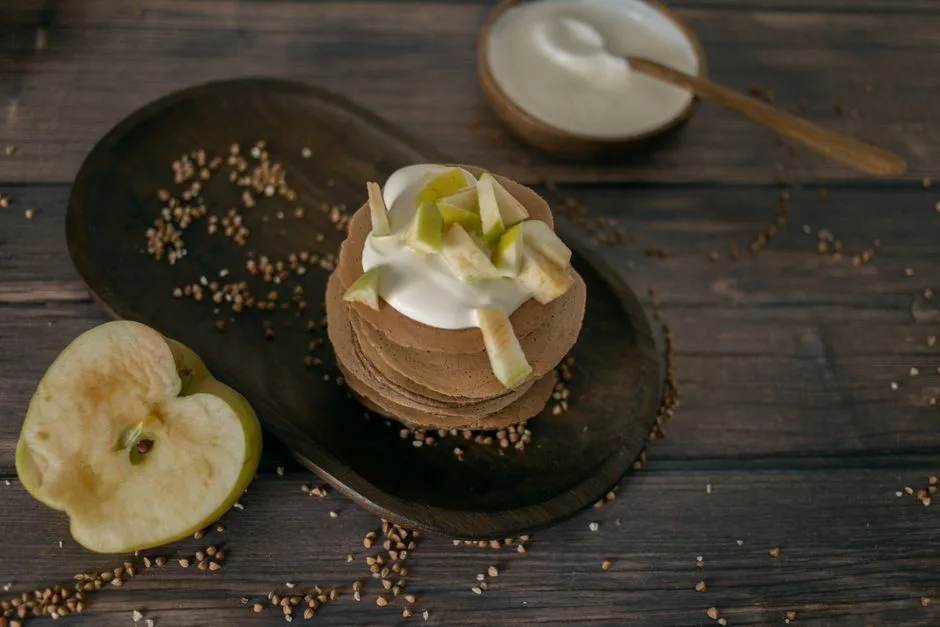
- Rutin is a flavonoid found in many plants, especially buckwheat, citrus fruits, and apple peels.
- Animal and cell studies suggest it may reduce inflammation and oxidative stress, including possible effects on C-reactive protein.
- Human evidence remains thin, so most current support comes from rodent and lab models rather than large clinical trials.
- It appears to have a favorable safety profile in the research so far, but it is not a treatment for any condition.
What is rutin?
Rutin is a flavonoid glycoside, a plant compound built from the flavonoid quercetin attached to a sugar molecule called rutinose.
It occurs naturally in a wide range of plants.
- Buckwheat and buckwheat tea
- Citrus fruits, especially the peel and pith
- Apples, particularly the skin
- Asparagus
- Black tea and green tea
- Figs
Because of its antioxidant reputation, rutin is also sold as a standalone supplement, often alongside quercetin or vitamin C.
How does rutin work in the body?
Like other flavonoids, rutin is thought to act mainly as an antioxidant, helping to neutralize reactive oxygen species that damage cells.
It also appears to interact with inflammatory signaling pathways.
In cell and animal research, rutin has been shown to dampen activity of the NLRP3 inflammasome, a molecular complex that drives the release of inflammatory cytokines[3].
It has also been linked to reduced markers of oxidative stress and inflammation in bovine mammary cells exposed to bacterial toxins[1], and in diabetic rat models during wound healing[2].
Does rutin lower inflammation markers like CRP?
Our database tracks rutin's effect on C-reactive protein, a common blood marker of systemic inflammation.
- C-Reactive ProteinDPreliminary
Research may lower C-Reactive Protein · strong agreement · 5 studies
View 5 studies on PubMed
- Rutin Promotes Wound Healing by Inhibiting Oxidative Stress and Inflammation in Metformin-Controlled Diabetes in Rats (2024)
- Influence of rutin on lipopolysaccharide-induced inflammation, oxidative stress, and autophagy in bovine mammary epithelial cells (2025)
- Rutin ameliorates inflammation and improves metabolic function: A comprehensive analysis of scientific literature (2022)
- Rutin as a Potent Antioxidant: Implications for Neurodegenerative Disorders (2018)
- Rutin Ameliorates Inflammation and Oxidative Stress in Ulcerative Colitis by Inhibiting NLRP3 Inflammasome Signaling Pathway (2024)
The consensus direction across five sources points toward a decrease in CRP, but the evidence grade is D, meaning the data are limited, inconsistent, or drawn mostly from preclinical models rather than robust human trials.
A broader literature review concluded that rutin shows anti-inflammatory and metabolic benefits across various models, including reductions in inflammatory markers and improvements in lipid and glucose handling[4].
Separately, rutin has a long history in antioxidant research, with older work highlighting its potential role in protecting neurons from oxidative damage, a mechanism relevant to neurodegenerative disease models[5].
Taken together, this is a promising but early picture. Most of the direct inflammation data come from animal studies, cell cultures, or narrow disease models like ulcerative colitis in rodents[3], rather than large randomized trials in people.
What conditions has rutin been studied for?
Research on rutin spans a fairly wide range of models.
- Ulcerative colitis, where it reduced inflammation and oxidative stress markers in rat models[3]
- Diabetic wound healing, where it supported healing alongside metformin in diabetic rats[2]
- Mammary gland inflammation triggered by bacterial toxins in cell models[1]
- General metabolic and inflammatory outcomes reviewed across multiple studies[4]
- Oxidative stress relevant to neurodegenerative conditions[5]
None of this research involved large human clinical trials, so these findings should be read as hypothesis generating rather than proof of benefit in people.
How much rutin do people take, and in what form?
There is no established, evidence backed dose of rutin for any health outcome in humans.
Supplement products commonly range from around 250 mg to 500 mg per capsule, often combined with quercetin, vitamin C, or bromelain.
Dietary intake through foods like buckwheat, citrus, and apples provides much smaller amounts, but comes packaged with fiber and other plant compounds.
Because the underlying research is still mostly preclinical, dosing recommendations for people are not well defined.
Is rutin safe?
In the studies available, rutin has generally been well tolerated in animal and cell models, without major signs of toxicity at the doses tested.
Human safety data at supplement doses are limited, since most research so far has not involved long term human trials.
As with many flavonoid supplements, potential interactions with blood thinners or other medications have not been thoroughly ruled out, so caution is reasonable for anyone on prescription drugs.
Rutin from food sources like citrus, buckwheat, and apples is considered part of a normal diet and carries no particular safety concerns at typical intake levels.
Who might be interested in rutin?
Rutin may appeal to people who are already interested in antioxidant rich diets or in flavonoids like quercetin.
- People curious about plant compounds studied for anti-inflammatory potential
- Those already eating rutin rich foods like buckwheat, citrus, and apples
- Researchers and clinicians tracking early stage inflammation and oxidative stress research
- People who take quercetin and want to understand a related compound
It is not a substitute for treatments with stronger human evidence, and it should be viewed as a complement to a generally healthy, plant forward diet rather than a targeted intervention.
Bottom line
Rutin is a naturally occurring flavonoid with a consistent signal across animal and cell studies for reducing inflammation and oxidative stress[1][2][3][4][5].
Its link to lower CRP is graded low confidence in our database, reflecting a small number of sources and a lack of strong human trials.
Getting rutin through whole foods like buckwheat, citrus, and apples remains the best supported way to include it in a diet, while supplement use should be viewed as an experimental choice rather than a proven strategy.
Frequently asked questions
Does rutin lower CRP or inflammation?
Some animal and cell research suggests rutin may reduce inflammatory markers, but the human evidence is graded low confidence, so this remains uncertain[4].
What foods contain rutin?
Buckwheat, citrus fruits, apple peels, asparagus, figs, and tea are among the richest natural sources.
Is rutin the same as quercetin?
No, rutin is a glycoside form of quercetin, meaning quercetin bound to a sugar molecule, and the two are often studied and sold together.
Sources
- Influence of rutin on lipopolysaccharide-induced inflammation, oxidative stress, and autophagy in bovine mammary epithelial cells · PMID 40685133
- Rutin Promotes Wound Healing by Inhibiting Oxidative Stress and Inflammation in Metformin-Controlled Diabetes in Rats · PMID 39100330
- Rutin Ameliorates Inflammation and Oxidative Stress in Ulcerative Colitis by Inhibiting NLRP3 Inflammasome Signaling Pathway · PMID 39138797
- Rutin ameliorates inflammation and improves metabolic function: A comprehensive analysis of scientific literature · PMID 35257898
- Rutin as a Potent Antioxidant: Implications for Neurodegenerative Disorders · PMID 30050657