Turkesterone: Does This 'Natural Steroid Alternative' Actually Build Muscle?
Bioactive compound
Track the foods that fit your goals. Track it free with Ration →
Key takeaways
- Turkesterone is a plant compound (an ecdysteroid) found in Ajuga turkestanica, sold as a muscle building supplement.
- Old Soviet-era animal studies found anabolic effects, but modern human trials are scarce and preliminary[2].
- Our database rates its effect on lean body mass as 'increase' with only a D evidence grade, based on 6 sources.
- It is not a hormone or anabolic steroid, and it is not currently banned by most sports organizations.
What is turkesterone?
Turkesterone belongs to a class of plant compounds called ecdysteroids.
These are structurally similar to insect molting hormones, and some, like ecdysterone, also show up in plants.
Turkesterone is extracted mainly from Ajuga turkestanica, a plant native to Central Asia[3].
It is often called a 'nature's steroid' in supplement marketing, positioned as an alternative to anabolic steroids like nandrolone (nerobol), without the same legal or hormonal risks[1].
How is it supposed to work?
Unlike testosterone or other anabolic steroids, turkesterone does not appear to bind androgen receptors.
Early animal research proposed that it instead stimulates protein synthesis machinery directly in tissues like the liver, independent of classic steroid hormone pathways[5].
This is the theoretical basis for the claim that turkesterone builds muscle without the hormonal side effects of steroids.
Researchers have also explored chemically modified versions, like turkesterone 11 alpha acyl derivatives, to try to boost its biological activity[4].
What does the evidence actually show?
This is where turkesterone's story gets shaky.
The foundational data comes from Soviet studies in the 1970s, testing turkesterone and its derivatives in male rats and comparing them to the anabolic steroid nerobol.
These older studies reported anabolic properties in rodent muscle and liver tissue[6][5].
Modern human research is much newer and much smaller.
A 2024 preliminary investigation looked at multiple acute doses of turkesterone in people and measured indirect markers of hypertrophy and metabolism, but the study was explicitly described as preliminary and not designed to prove muscle gain[2].
A 2024 review of ecdysterone and turkesterone together concluded both compounds show 'prominent potential' for sport nutrition, while acknowledging that rigorous, well-controlled human trials are still lacking[1].
Taken together, this is a case of promising animal and mechanistic data paired with essentially no strong human clinical evidence.
- Lean Body MassDPreliminary
Research may raise Lean Body Mass · strong agreement · 6 studies
View 5 studies on PubMed
- Ecdysterone and Turkesterone-Compounds with Prominent Potential in Sport and Healthy Nutrition (2024)
- The Effects of Multiple Acute Turkesterone Doses on Indirect Measures of Hypertrophy and Metabolic Measures: A Preliminary Investigation (2024)
- The minor ecdysteroids from Ajuga turkestanica (2015)
- Synthesis and biological activities of turkesterone 11alpha-acyl derivatives (2003)
- [The anabolic properties of turkesterone phytoecdysone and turkesterone tetraacetate in experiments on male rats] (1976)
That D grade reflects a small number of studies, most not directly measuring lean body mass change in controlled human trials, and a consensus direction based more on inference than confirmed outcome.
How is turkesterone sold and dosed?
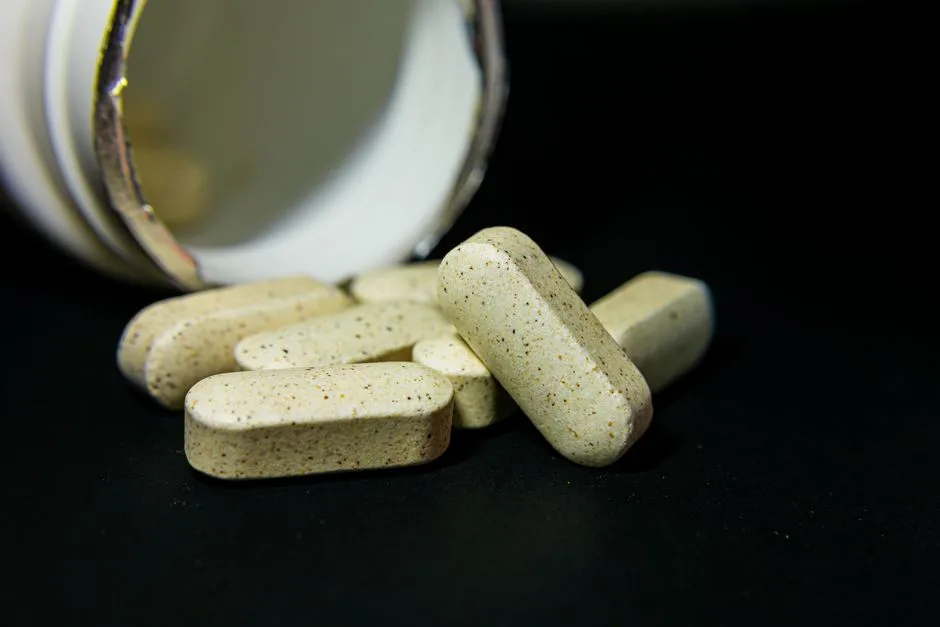
Turkesterone supplements are typically sold as capsules or powders, often standardized to a percentage of ecdysteroids by weight.
There is no established, evidence backed human dose, because no dose response trial in people has clearly defined one.
Common commercial doses range widely, and label claims often outpace what any published research has actually tested[2].
People sometimes compare it to other supplements marketed for muscle and recovery, such as creatine, HMB, or branched chain amino acids, though the evidence quality behind those is generally much stronger.
Is turkesterone safe?
- No large scale human safety trials exist for turkesterone specifically.
- It is not classified as an anabolic androgenic steroid, and does not appear to suppress natural testosterone production the way steroids can.
- Animal studies did not report major toxicity at the doses tested, but this does not confirm long-term human safety[6].
- Supplement quality control is a real concern, since turkesterone products are not tightly regulated and actual ecdysteroid content can vary.
- People with liver conditions, hormone sensitive conditions, or those on medications should be especially cautious given the lack of human safety data.
Who might consider it?
Athletes and lifters curious about ecdysteroids are the main audience for turkesterone, drawn by its reputation as a steroid alternative.
Given the current evidence, anyone trying it should treat it as an experimental supplement rather than a proven muscle building tool.
People who want research backed support for lean mass and strength currently have better documented options, including resistance training itself, adequate dietary protein, and creatine monohydrate.
Bottom line
Turkesterone has an interesting mechanistic story and some old animal data suggesting anabolic effects[5][6].
Modern human trials are just beginning, and what exists so far is preliminary[2].
Our database's own grading, a D for lean body mass with only 6 supporting sources, reflects how far this compound is from being a confirmed muscle builder in people.
Frequently asked questions
Does turkesterone actually build muscle?
Human evidence is very limited and preliminary, so no confirmed muscle building effect has been established in people yet[2].
Is turkesterone a steroid?
It is an ecdysteroid, structurally different from anabolic androgenic steroids, and it does not appear to work through androgen receptors[1].
Is turkesterone banned in sports?
It is not currently classified as a banned anabolic steroid by most major sports organizations, though testing and regulations can change.
Where does turkesterone come from?
It is extracted primarily from the plant Ajuga turkestanica, along with other minor ecdysteroids[3].
Sources
- Ecdysterone and Turkesterone-Compounds with Prominent Potential in Sport and Healthy Nutrition · PMID 38732627
- The Effects of Multiple Acute Turkesterone Doses on Indirect Measures of Hypertrophy and Metabolic Measures: A Preliminary Investigation · PMID 40757520
- The minor ecdysteroids from Ajuga turkestanica · PMID 25953625
- Synthesis and biological activities of turkesterone 11alpha-acyl derivatives · PMID 15841223
- [Effect of turkesterone and nerobol on the activity of the protein synthesizing system of mouse liver] · PMID 685188
- [The anabolic properties of turkesterone phytoecdysone and turkesterone tetraacetate in experiments on male rats] · PMID 935080