Is Buckwheat Healthy?
Key takeaways
- Buckwheat is a gluten-free seed, not a grass grain like wheat.
- It contains fiber, resistant starch, and plant compounds called phenolics, including rutin[1].
- How buckwheat is processed, such as sprouting, roasting, or grinding, changes its nutrient content[1].
- It can fit well into gluten-free diets and general healthy eating patterns.
What is buckwheat?
Buckwheat is not a type of wheat.
It is a seed from a plant related to rhubarb and sorrel.
Scientists call foods like this pseudocereals.
A pseudocereal is a seed that we eat and cook like a grain, even though it does not come from a grass plant.
Because it is not a true grain, buckwheat has no gluten.
There are two main kinds people eat, common buckwheat and Tartary buckwheat.
Tartary buckwheat tends to have a more bitter taste and a different mix of plant compounds than common buckwheat[1].
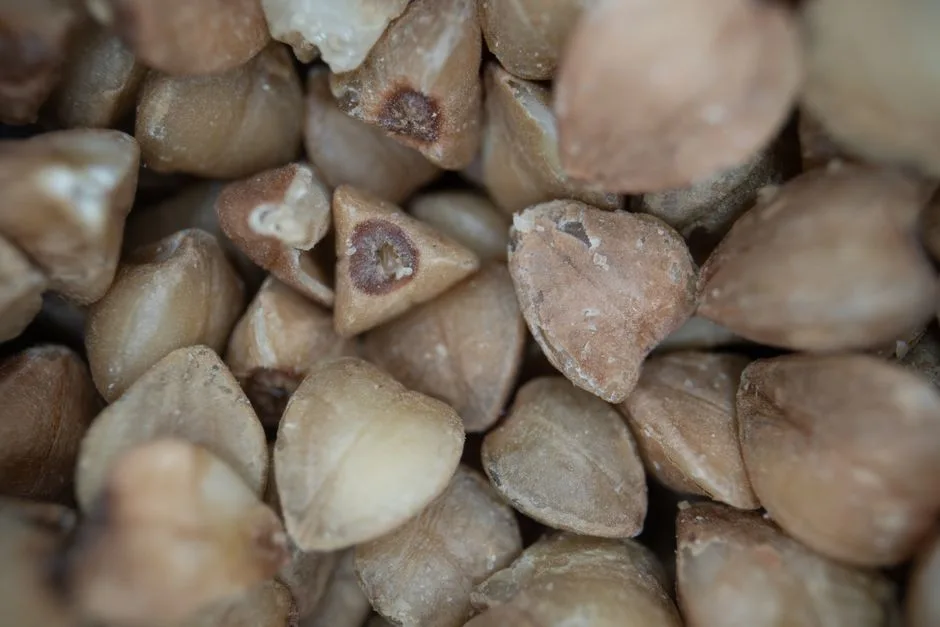
You can find buckwheat as whole groats, flour, noodles, or sprouts.
Why does buckwheat matter for health?
Buckwheat offers several things that many refined grains do not.
- Fiber, which supports digestion and steady blood sugar
- Plant protein, with a good balance of amino acids for a seed food
- Minerals like magnesium and manganese
- Phenolic compounds, a group of plant chemicals with antioxidant activity[1]
- No gluten, making it an option for people with celiac disease or gluten sensitivity
The phenolic compounds are a big reason researchers are interested in buckwheat.
Phenolics are plant chemicals that can act as antioxidants in the body.
An antioxidant is a compound that helps protect cells from damage caused by unstable molecules called free radicals.
What plant compounds are in buckwheat?
The main phenolic compound in buckwheat is called rutin.
Rutin is a type of flavonoid, a common category of plant antioxidant also found in citrus fruits and berries.
Buckwheat also contains quercetin, another flavonoid related to rutin.
A recent review found that rutin can convert into quercetin during processing, and this conversion changes both the taste and the health potential of the final food[1].
The review also found that phenolic compounds sit in different parts of the buckwheat seed, including the husk, the bran, and the inner groat[1].
These compounds exist in three forms inside the plant, called soluble free, soluble bound, and insoluble bound[1].
The form matters because it affects how easily the body can absorb and use the compound, a concept called bioaccessibility[1].
The review noted that measurement methods vary a lot between studies, which is part of why reported buckwheat phenolic levels look inconsistent across research[1].
Does processing change buckwheat's health value?
Yes, and this is one of the most important findings from recent research.
Sprouting, also called germination, can increase the amount of phenolic compounds the body can actually access[1].
Fermentation can also reshape the phenolic profile of buckwheat, sometimes making beneficial compounds easier to extract[1].
Heat based methods, like steaming, roasting, and extrusion, can go either way.
These methods can release phenolic compounds that were bound tightly inside the seed structure, making them more available[1].
But too much heat or processing can also break down these compounds or trap them again in the food matrix, lowering their potential benefit[1].
Grinding buckwheat into very fine flour, called ultrafine grinding, is another method studied for its effect on phenolic release[1].
This means the same buckwheat seed can offer different health potential depending on how it was cooked or milled.
Making buckwheat dough triggers a fast chemical change in one of its plant compounds, called kaempferol 3-O-rutinoside.[2] An enzyme in the dough breaks this compound down within minutes, and researchers have now identified the specific enzyme responsible, calling it kaempferol 3-O-rutinosidase.[2] This shows that even simple steps like mixing dough can quickly reshape buckwheat's phenolic profile, not just heat or sprouting.[2]
What does the evidence actually show?
Much of the current evidence comes from laboratory and food science research rather than large human trials.
A 2026 review pulled together findings on buckwheat's phenolic content across different tissues, species, and processing methods[1].
This review found strong differences between common buckwheat and Tartary buckwheat, and pointed out that many lesser known Fagopyrum species have barely been studied at all[1].
The review also flagged a lack of standardization in how scientists test and report buckwheat phenolics, which makes it hard to compare studies directly[1].
This does not mean buckwheat lacks benefits.
It means researchers still need more consistent methods and more human studies to confirm exactly how much benefit people get from eating it.
How can you eat more buckwheat?
Buckwheat is easy to add to a regular diet in several forms.
- Cook buckwheat groats like rice, as a side dish or grain bowl base
- Try soba noodles, which are traditionally made from buckwheat flour
- Use buckwheat flour in pancakes, waffles, or homemade bread
- Look for buckwheat sprouts, which research suggests may have more accessible phenolic content[1]
- Choose whole groats or minimally processed flour over highly refined buckwheat products when possible
If you want more of the plant compounds like rutin and quercetin, less processed and sprouted forms may be a reasonable choice based on current research[1].
Always check soba noodle labels carefully, since many blends mix buckwheat flour with wheat flour, which contains gluten.
Who should be careful with buckwheat?
Most people can eat buckwheat safely as part of a normal diet.
People with celiac disease or gluten sensitivity often use buckwheat as a substitute for wheat, but they should check for cross contamination or blended products.
Buckwheat allergy is rare but possible, and it can sometimes cause a serious reaction.
Anyone with a known seed or grain allergy should talk with a doctor before adding new foods like buckwheat to their diet.
Frequently asked questions
Is buckwheat a grain?
No, buckwheat is a seed from a plant related to rhubarb, called a pseudocereal, and it does not contain gluten.
Does buckwheat have more antioxidants than wheat?
Buckwheat contains notable amounts of phenolic compounds like rutin and quercetin, but the exact levels depend heavily on the species and how it is processed[1].
Is sprouted buckwheat healthier?
Early research suggests sprouting may increase the accessibility of some beneficial plant compounds in buckwheat, though more human studies are needed[1].
Put this to work in your own food log. Track it free with Ration →