Fadogia Agrestis: What the Evidence Actually Shows About This Testosterone Supplement
Botanical / supplement
Track the foods that fit your goals. Track it free with Ration →
Key takeaways
- Fadogia agrestis is a Nigerian shrub whose stem extract is sold as a testosterone booster and aphrodisiac
- The only supporting evidence in our database comes from a single 2005 study in male rats, not humans[1]
- No human clinical trials on testosterone, muscle, or libido currently exist for this supplement
- Safety data is extremely limited, and some animal work has raised concerns about high doses
What is Fadogia agrestis?
Fadogia agrestis is a flowering shrub native to Nigeria and other parts of West Africa.
In traditional medicine, preparations from its stem have been used as an aphrodisiac and general tonic.
Today it is sold in Western markets mostly as a capsule or powder supplement, almost always marketed around testosterone and libido.
It is frequently stacked with other testosterone support ingredients like tongkat ali, ashwagandha, or zinc in commercial blends.
How is it supposed to work?
The proposed mechanism is that compounds in fadogia agrestis, including saponins, stimulate the testes to produce more testosterone.
This idea comes largely from animal research rather than any confirmed pathway in humans.
Some marketing claims suggest it acts on luteinizing hormone signaling, similar to how the body naturally triggers testosterone production, but this has not been directly confirmed in rigorous trials.
Does fadogia agrestis raise testosterone?
The evidence here is thin. The main study cited for fadogia agrestis and testosterone is a 2005 investigation in male albino rats, which found increases in markers related to sexual behavior and reproductive hormones after extract administration[1].
That study was not conducted in humans, did not use standardized modern dosing methods, and has not been replicated.
There are currently no published randomized controlled trials testing fadogia agrestis in men for testosterone, strength, or libido outcomes.
- Total TestosteroneDPreliminary
Research may raise Total Testosterone · strong agreement · 1 study
Given this, the consensus grade for its effect on total testosterone is low, reflecting a single animal source rather than convergent human data.
Anecdotal reports from supplement users describing increased libido or gym performance are common online, but self-reported effects like these are not a substitute for controlled human trials.
What forms does it come in?
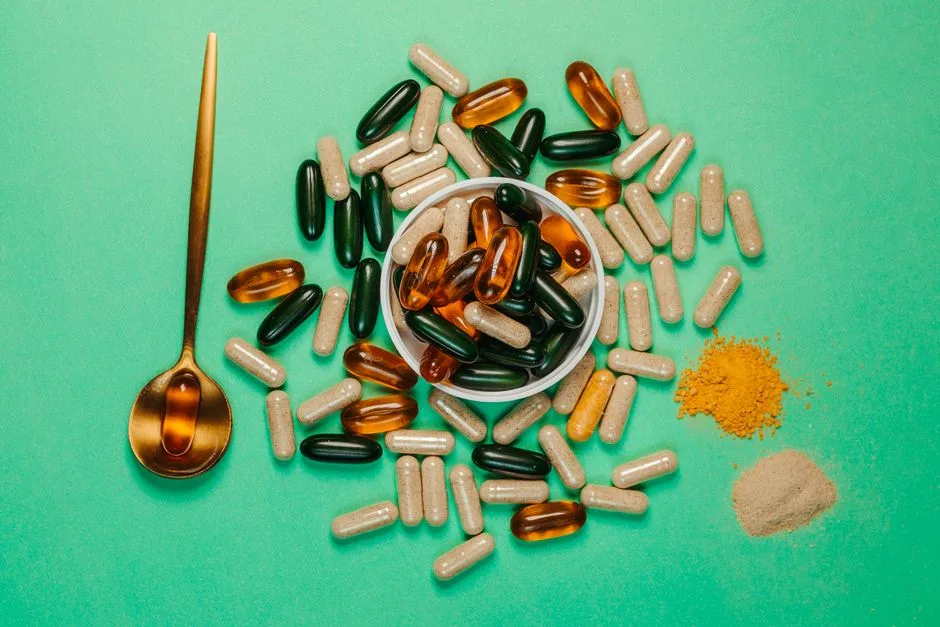
Fadogia agrestis is not found in food. It is available only as a dietary supplement, typically derived from the stem of the plant.
- Capsules, often standardized to a percentage of saponins
- Loose powder extract
- Liquid tinctures
- Combination testosterone support blends with ingredients like tongkat ali, fenugreek, or zinc
How much do people take?
There is no established human dose because no human clinical trials have been conducted.
Supplement labels commonly list doses in the range of 600 to 1,200 mg per day of extract, but these figures are based on marketing conventions and animal study extrapolations rather than validated human research.
Because dosing has not been studied in people, there is no way to know what amount, if any, might produce a meaningful effect, or what a safe upper limit would be.
Is fadogia agrestis safe?
Long term human safety data does not exist for fadogia agrestis.
Some animal research on related saponin-containing plant extracts has raised concerns about effects on the liver and testes at high or prolonged doses, though this has not been specifically confirmed for fadogia agrestis in humans.
- No human safety trials have been published
- Animal studies used doses and durations that may not translate to human use
- Potential interactions with hormone-related medications are unstudied
- People with liver conditions or hormone-sensitive conditions may want to be especially cautious given the lack of data
Who might consider it, and who should skip it?
Given how sparse the evidence is, fadogia agrestis sits firmly in the experimental category.
- Men curious about emerging testosterone supplements who understand the evidence is limited to one rat study[1]
- Not a good fit for anyone wanting research backed support, where options like zinc, vitamin D, or resistance training have far more human data
- Not appropriate for anyone with liver disease, hormone sensitive conditions, or those taking hormone related medications, given the total absence of safety trials
- Not something that should replace a medical evaluation for low testosterone symptoms
Bottom line
Fadogia agrestis has an outsized reputation compared to the research behind it.
The entire evidentiary basis for its testosterone effects is a single 2005 rat study[1], with no human trials to confirm, refute, or contextualize those findings.
Anyone considering it should treat it as an unproven, poorly studied compound rather than a validated testosterone booster.
Frequently asked questions
Does fadogia agrestis really boost testosterone?
The only supporting data is a single 2005 study in male rats[1], so any claim about human testosterone effects is currently unproven.
Is fadogia agrestis backed by human studies?
No published human clinical trials exist for fadogia agrestis and testosterone, muscle, or libido outcomes.
What is a safe dose of fadogia agrestis?
There is no established safe or effective human dose, since dosing on supplement labels is based on marketing rather than clinical research.
Are there risks to taking fadogia agrestis?
Long term human safety has not been studied, and animal research on similar extracts has raised concerns about high dose effects, so caution is warranted.