6-Gingerol: The Compound Behind Ginger's Blood Sugar and Inflammation Benefits
Plant compound
Track the foods that fit your goals. Track it free with Ration →
Key takeaways
- 6-Gingerol is the main bioactive compound in fresh ginger root, responsible for much of its spicy taste and health effects
- Clinical trials link ginger supplementation to lower HbA1c and reduced interleukin-6, a marker of inflammation[1][5][10]
- Most human evidence comes from people with type 2 diabetes or metabolic syndrome, using doses of one to a few grams of ginger daily[1][6][11]
- Ginger is generally well tolerated, though most of the deepest mechanistic work is still limited to animal and cell studies[4][8]
What is 6-gingerol?
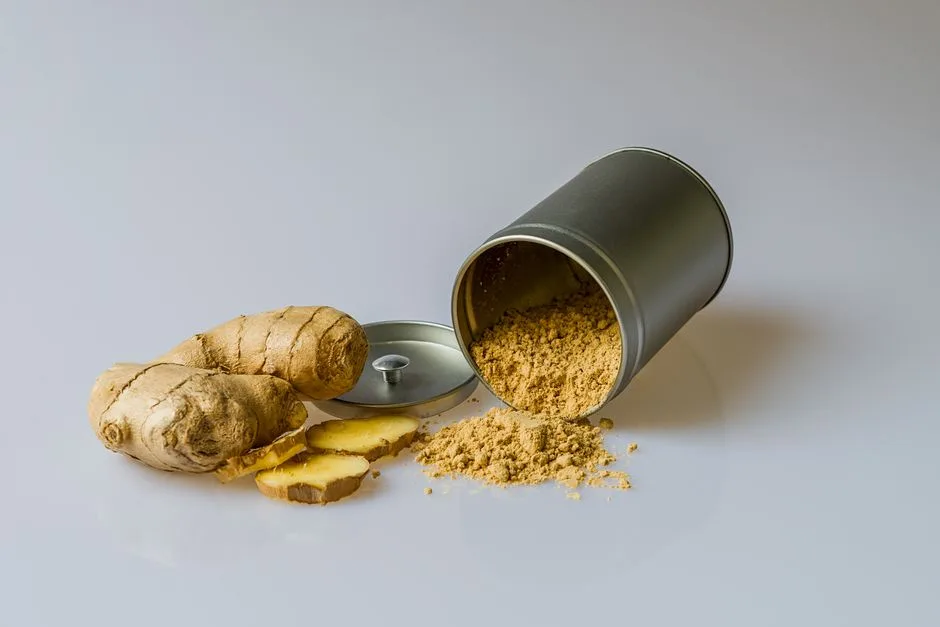
6-Gingerol is the most abundant active compound in fresh ginger root.
It belongs to a family of compounds called gingerols, which are related to shogaols, the compounds that form when ginger is dried or cooked.
Chemically, 6-gingerol is a phenolic compound. That structure is thought to give it antioxidant and anti-inflammatory properties, similar to other plant polyphenols like curcumin found in turmeric.
When ginger is heated or dried, much of its 6-gingerol converts to 6-shogaol, which shows up often in the animal research on ginger's effects.
How does it work in the body?
Researchers believe 6-gingerol acts on several pathways at once, rather than a single target.
- May reduce production of pro-inflammatory signaling molecules like interleukin-6 and TNF-alpha
- May improve insulin sensitivity, helping cells respond better to insulin
- Appears to have antioxidant activity that can reduce oxidative stress in tissues
- Animal studies suggest effects on gut microbiota and even communication between plant-derived nanoparticles and host cells[12]
Much of this mechanistic detail comes from cell and animal studies, including work on 6-shogaol easing ocular inflammation and oxidative stress in aged mice[4], and ginger reducing lung inflammation in asthma models[8].
Does ginger actually lower blood sugar and inflammation?
The strongest human evidence for 6-gingerol, delivered through ginger supplementation, centers on two outcomes: HbA1c and interleukin-6 (IL-6).
- Interleukin-6AHuman trials
Research may lower Interleukin-6 · strong agreement · 6 studies
View 5 studies on PubMed
- Therapeutic potential of plant-derived small extracellular vesicles in sepsis: A network meta-analysis (2025)
- Plant-derived exosomal microRNAs inhibit lung inflammation induced by exosomes SARS-CoV-2 Nsp12 (2021)
- Licorice and dried ginger decoction inhibits inflammation and alleviates mitochondrial dysfunction in chronic obstructive pulmonary disease by targeting siglec-1 (2025)
- 6-shogaol, a bioactive component of ginger, alleviates aging-induced ocular inflammation and ER stress in the 25-month-old mice (2025)
- Ginger and its bioactive component 6-shogaol mitigate lung inflammation in a murine asthma model (2020)
- HbA1cAHuman trials
Research may lower HbA1c · strong agreement · 6 studies
View 5 studies on PubMed
- Meta-analysis of the effects of ginger supplementation on glycemic control, blood pressure and lipid profile in patients with type 2 diabetes (2026)
- The efficacy and safety of herbal medicines for glycaemic control and insulin resistance in individuals with type 2 diabetes: an umbrella review (2025)
- Dietary ginger as a traditional therapy for blood sugar control in patients with type 2 diabetes mellitus: A systematic review and meta-analysis (2019)
- DASH Dietary Pattern and Cardiometabolic Outcomes: An Umbrella Review of Systematic Reviews and Meta-Analyses (2019)
- The Effect of Therapeutic Doses of Culinary Spices in Metabolic Syndrome: A Randomized Controlled Trial (2024)
A 2026 meta-analysis pooling trials in people with type 2 diabetes found that ginger supplementation improved glycemic control, along with modest benefits for blood pressure and lipid profile[1].
This builds on earlier meta-analyses. A 2019 systematic review found that dietary ginger consistently lowered fasting blood sugar and HbA1c in people with type 2 diabetes[10], and a 2017 trial specifically measured reductions in HbA1c and improved lipid profiles with ginger supplementation[11].
A 2025 umbrella review looking across herbal medicines for glycemic control and insulin resistance also placed ginger among the more consistently supported options[5].
On the inflammation side, a 2024 randomized controlled trial testing therapeutic doses of culinary spices, including ginger, in people with metabolic syndrome found reductions in inflammatory markers[6].
Separate research on ginger and licorice decoctions found reduced inflammation and improved mitochondrial function in a model of chronic obstructive pulmonary disease, partly by targeting a receptor called siglec-1[2].
There is also early interest in plant-derived extracellular vesicles, tiny particles from ginger and other plants that may carry anti-inflammatory signals. A 2025 network meta-analysis explored their therapeutic potential in sepsis[3], and older work found plant exosomal microRNAs could inhibit lung inflammation tied to viral proteins[7]. This area is promising but still far from clinical application.
What foods and supplements contain it?
- Fresh ginger root, the richest natural source of 6-gingerol
- Ginger tea made from fresh or dried root
- Pickled ginger, though processing may reduce gingerol content
- Ginger powder and dried ginger, which contain more shogaols relative to fresh root
- Standardized ginger extract supplements, often listed by percentage of gingerols
Diets rich in spices and plant foods, like the DASH dietary pattern, have separately been linked to better cardiometabolic outcomes[9], though that evidence reflects whole dietary patterns rather than ginger or 6-gingerol alone.
How much do you need?
Clinical trials in type 2 diabetes have generally used one to three grams of dried ginger powder daily, split into two or three doses, for eight to twelve weeks[1][10][11].
There is no established dose specifically for isolated 6-gingerol, since almost all human trials use whole ginger or ginger extract rather than the purified compound.
Supplement products vary widely in gingerol concentration, which makes it hard to compare doses across studies or products directly.
Is it safe?
Ginger has a long history of use as a food and traditional remedy, and the doses used in clinical trials are generally well tolerated[1][6].
- Mild digestive upset, like heartburn or gas, is the most commonly reported side effect
- People on blood thinners or diabetes medications should be mindful of possible interactions given ginger's effects on blood sugar and clotting
- Most safety data come from short term trials of eight to twelve weeks, so long term safety at high supplement doses is less clear
This article is not medical advice, and anyone considering a ginger supplement, especially alongside diabetes medication, should factor in their own health situation.
Who might consider it?
- People with type 2 diabetes interested in adjunct support for blood sugar management, where evidence is most consistent[1][5][10][11]
- People with metabolic syndrome or elevated inflammatory markers, based on trial data showing IL-6 reductions[6]
- People already using ginger in food or tea who want to understand the compound behind its effects
- People interested in emerging research on inflammation in the lungs or eyes, though this evidence is still preclinical[2][4][8]
Bottom line
6-Gingerol is the standout compound in ginger, and the human trial evidence for its parent food, ginger, is genuinely encouraging for blood sugar and inflammation, particularly in people with type 2 diabetes[1][5][10][11].
Much of the deeper mechanistic story, from ocular aging to lung inflammation to plant nanoparticle signaling, still lives in cell and animal research[2][3][4][7][8][12].
For now, adding fresh ginger to food or tea remains a reasonable, low-risk way to get 6-gingerol, while purified supplement dosing remains less standardized.
Frequently asked questions
Does 6-gingerol lower blood sugar?
Ginger supplementation, the main source of 6-gingerol, has been linked to lower HbA1c and fasting blood sugar in multiple meta-analyses of people with type 2 diabetes[1][10][11].
Can ginger reduce inflammation?
Trials show ginger supplementation can lower interleukin-6, a key inflammatory marker, in people with metabolic syndrome[6], with supporting mechanistic evidence from other inflammatory models[2][8].
How much ginger do I need for a benefit?
Most clinical trials used one to three grams of dried ginger powder daily for two to three months[1][10][11], though no dose has been established for purified 6-gingerol specifically.
Is 6-gingerol safe to take daily?
Ginger at studied doses is generally well tolerated, with mild digestive upset being the main reported issue[1][6], though long term data on concentrated supplements is limited.
Is 6-gingerol the same as ginger?
6-Gingerol is one specific compound within ginger root, and most research studies whole ginger or ginger extract rather than the isolated compound itself.
Sources
- Meta-analysis of the effects of ginger supplementation on glycemic control, blood pressure and lipid profile in patients with type 2 diabetes · PMID 42337792
- Licorice and dried ginger decoction inhibits inflammation and alleviates mitochondrial dysfunction in chronic obstructive pulmonary disease by targeting siglec-1 · PMID 39708484
- Therapeutic potential of plant-derived small extracellular vesicles in sepsis: A network meta-analysis · PMID 40414583
- 6-shogaol, a bioactive component of ginger, alleviates aging-induced ocular inflammation and ER stress in the 25-month-old mice · PMID 40449688
- The efficacy and safety of herbal medicines for glycaemic control and insulin resistance in individuals with type 2 diabetes: an umbrella review · PMID 41029669
- The Effect of Therapeutic Doses of Culinary Spices in Metabolic Syndrome: A Randomized Controlled Trial · PMID 38892617
- Plant-derived exosomal microRNAs inhibit lung inflammation induced by exosomes SARS-CoV-2 Nsp12 · PMID 33984520
- Ginger and its bioactive component 6-shogaol mitigate lung inflammation in a murine asthma model · PMID 31800263
- DASH Dietary Pattern and Cardiometabolic Outcomes: An Umbrella Review of Systematic Reviews and Meta-Analyses · PMID 30764511
- Dietary ginger as a traditional therapy for blood sugar control in patients with type 2 diabetes mellitus: A systematic review and meta-analysis · PMID 30921234
- The Effects of Ginger on Fasting Blood Sugar, Hemoglobin A1c, and Lipid Profiles in Patients with Type 2 Diabetes · PMID 29344037
- Interspecies communication between plant and mouse gut host cells through edible plant derived exosome-like nanoparticles · PMID 24842810