Milk Thistle (Silymarin): Does It Actually Help Your Liver and Cholesterol?
Botanical / supplement
Track the foods that fit your goals. Track it free with Ration →
Key takeaways
- Milk thistle's active compound, silymarin, is best known as a traditional liver support herb
- Human data on triglycerides is thin and graded low confidence (grade D) in our database
- Most robust findings come from animal and poultry studies, not large human trials
- Generally considered safe, but it should not replace medical treatment for liver disease
What is milk thistle?
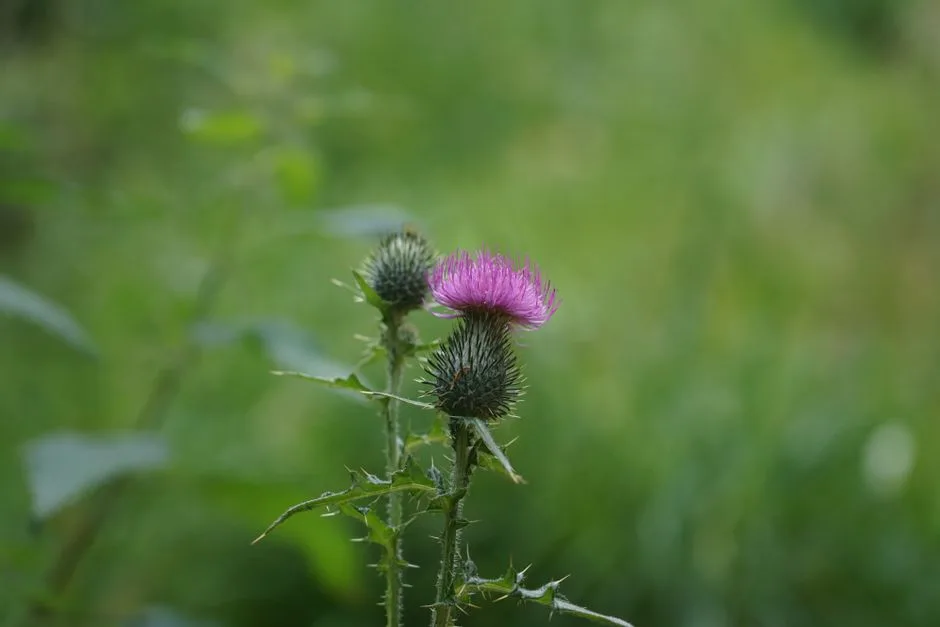
Milk thistle is a flowering plant whose seeds contain silymarin, a group of plant compounds called flavonolignans.
Silymarin is the active ingredient people mean when they talk about milk thistle supplements.
It has been used for centuries as a folk remedy for liver problems, and it remains one of the most commonly used supplements for liver health today.
How is it supposed to work?
Researchers believe silymarin acts mainly through antioxidant and anti-inflammatory pathways in liver cells.
In animal studies, it appears to influence hepatic lipid metabolism, the way the liver processes and stores fat, and may affect gut microbiota that interact with liver function[3].
Some research also points to effects on genes involved in fat metabolism and antioxidant defense in liver tissue[4].
Does it lower triglycerides or cholesterol?
This is where things get interesting, and also where the evidence gets thin.
- TriglyceridesDPreliminary
Research may lower Triglycerides · strong agreement · 5 studies
View 5 studies on PubMed
- Evaluating the therapeutic effect of different forms of silymarin on liver status and expression of some genes involved in fat metabolism, antioxidants and anti-inflammatory in older laying hens (2024)
- Milk thistle protects against non-alcoholic fatty liver disease induced by dietary thermally oxidized tallow (2024)
- Therapeutic Effects of Curcuminoids and Silymarin, Individually and in Combination, in Patients With Hepatic Impairment (2025)
- Dietary silymarin improves performance by altering hepatic lipid metabolism and cecal microbiota function and its metabolites in late laying hens (2024)
- Silymarin as a potential hypocholesterolaemic drug (1998)
Our database tracks a consensus direction of decreased triglycerides, but the evidence grade is D, meaning confidence is low. Only five sources currently support this link.
An older human study from 1998 explored silymarin as a potential hypocholesterolaemic (cholesterol lowering) agent and found some supportive signals[5].
More recent supportive data comes largely from animal and poultry research rather than large human trials. Studies in laying hens found that dietary silymarin altered hepatic lipid metabolism and improved markers tied to fat processing[3][4].
A separate animal study found milk thistle protected against fatty liver changes induced by a diet high in thermally oxidized fats, partly through effects on lipid handling[2].
Taken together, these findings are suggestive rather than conclusive. Larger, well-controlled human trials focused specifically on triglycerides and LDL cholesterol are still lacking.
What about liver health more broadly?
Silymarin's reputation rests mostly on its potential role in supporting people with hepatic impairment, meaning some degree of liver dysfunction.
A 2025 clinical study examined curcuminoids and silymarin, both alone and combined, in patients with hepatic impairment, looking at therapeutic effects on liver markers[1].
This kind of combination research reflects a growing interest in pairing silymarin with other compounds like curcumin, the active ingredient in turmeric, though it also means it can be hard to isolate silymarin's individual contribution.
Animal models of non-alcoholic fatty liver disease (NAFLD) also show milk thistle may reduce liver fat accumulation and oxidative stress markers[2].
Food and supplement sources
Milk thistle is not a food most people eat directly. It is almost always consumed as a supplement.
- Standardized extract capsules or tablets, typically listing silymarin content
- Liquid tinctures made from the seed extract
- Powdered milk thistle seed, sometimes added to teas
- Combination liver support formulas, often paired with curcumin, dandelion, or artichoke extract
Supplement labels usually specify silymarin content as a percentage of the total extract, since this is the component believed to be active.
How much do people use?
There is no officially established dose for milk thistle, since it is regulated as a supplement rather than a drug in most countries.
Clinical research has used a range of doses, and standardized extracts vary widely in silymarin concentration, which makes direct comparisons across studies difficult.
Because dosing is not standardized, people considering it should pay close attention to the silymarin percentage listed on a product label rather than the total milk thistle weight.
Is it safe?
Milk thistle is generally considered well tolerated in the doses used in most studies.
- Mild digestive upset, such as bloating or loose stools, is the most commonly reported side effect
- Allergic reactions are possible, particularly in people allergic to related plants like ragweed, daisies, or marigolds
- Interactions with certain medications processed by the liver are theoretically possible, since silymarin may affect liver enzyme activity
- Long term human safety data at high doses remains limited
People with existing liver disease, or anyone taking medications metabolized by the liver, should be cautious and loop in a healthcare provider before adding it.
Who might consider it?
- People interested in general liver support, given its long traditional use
- People with mild hepatic impairment exploring adjunct options alongside medical care[1]
- Those curious about natural approaches to triglyceride management, while understanding the evidence grade is currently low
- Researchers and clinicians interested in combination approaches, such as pairing silymarin with curcuminoids[1]
Bottom line
Milk thistle's silymarin has a long history of traditional use for liver support, and animal research consistently shows effects on liver fat metabolism and oxidative stress[2][3][4].
Human evidence for lowering triglycerides is real but weak, reflected in the grade D rating and small number of supporting sources.
It appears generally safe for most healthy adults, but it should be viewed as a supportive supplement rather than a treatment for liver disease or high triglycerides.
Frequently asked questions
Does milk thistle lower triglycerides?
Some older and animal research suggests silymarin may lower triglycerides, but the evidence grade is low (grade D) with only a handful of supporting studies[5].
Is milk thistle good for the liver?
Research suggests silymarin may support liver function and reduce fat accumulation in animal models of fatty liver disease, and human studies in hepatic impairment are ongoing[1][2].
What is the active ingredient in milk thistle?
Silymarin, a group of flavonolignan compounds found in milk thistle seeds, is considered the active ingredient responsible for most of its studied effects.
Are there side effects of milk thistle?
It is generally well tolerated, with mild digestive upset being the most common issue reported, though allergic reactions can occur in people sensitive to related plants.
Can milk thistle be combined with other supplements?
Research has explored combining silymarin with curcuminoids in patients with hepatic impairment, suggesting interest in combination approaches, though more study is needed[1].
Sources
- Therapeutic Effects of Curcuminoids and Silymarin, Individually and in Combination, in Patients With Hepatic Impairment · PMID 40513108
- Milk thistle protects against non-alcoholic fatty liver disease induced by dietary thermally oxidized tallow · PMID 38818175
- Dietary silymarin improves performance by altering hepatic lipid metabolism and cecal microbiota function and its metabolites in late laying hens · PMID 38997768
- Evaluating the therapeutic effect of different forms of silymarin on liver status and expression of some genes involved in fat metabolism, antioxidants and anti-inflammatory in older laying hens · PMID 39324876
- Silymarin as a potential hypocholesterolaemic drug · PMID 9708694