Tribulus Terrestris: Does It Actually Boost Testosterone or Sexual Function?
Botanical / supplement
Track the foods that fit your goals. Track it free with Ration →
Key takeaways
- Tribulus terrestris is a plant extract sold as a testosterone and libido booster, but clinical evidence for raising total testosterone in men is mixed and graded inconsistent overall[1][2].
- Some trials show modest improvements in erectile function or sexual satisfaction, especially in men with erectile dysfunction or women with sexual dysfunction, without necessarily changing hormone levels[1][5].
- Animal and aquaculture studies suggest bioactive steroidal saponins may have hormone-like or reproductive effects, but these findings don't reliably translate to human testosterone changes[3][4][6].
- Tribulus appears generally well-tolerated in studied doses, but it should not be assumed to work like anabolic steroids or prescription testosterone therapy.
What Is Tribulus Terrestris?
Tribulus terrestris is a flowering plant, sometimes called puncture vine, that grows in warm climates worldwide and has a long history of use in traditional Chinese and Ayurvedic medicine. Its fruit and roots contain steroidal saponins (notably protodioscin), flavonoids, and alkaloids, compounds that researchers have proposed might interact with the body's hormonal or vascular signaling pathways. Modern supplement companies market Tribulus extract primarily to men seeking a natural testosterone or libido boost, and to a lesser extent to women with sexual function concerns.
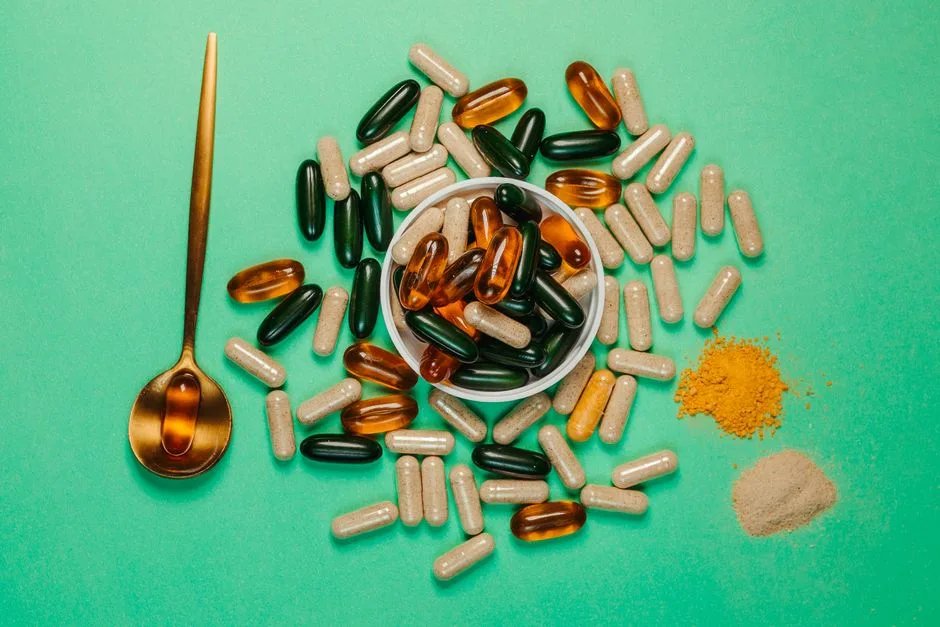
It's sold as capsules, tablets, and powders, usually standardized to a percentage of saponins (commonly 20-60%), and is a frequent ingredient in multi-compound 'testosterone booster' blends alongside other herbs like fenugreek or ashwagandha.
How It's Thought to Work
The leading hypothesis is that Tribulus's steroidal saponins, particularly protodioscin, might be converted in the body into DHEA-like precursors or might stimulate luteinizing hormone release from the pituitary, theoretically nudging the testes to produce more testosterone. A second, separate hypothesis focuses on nitric oxide and vascular effects: improved blood flow could plausibly support erectile function independent of any hormonal change. These are two distinct mechanistic stories, and it matters which one (if either) actually holds up, because a supplement could improve sexual function through vasodilation while doing nothing to circulating testosterone.
Animal work, including studies in rats and fish, has looked at Tribulus's effects on reproductive tissue and sex-related gene expression, offering some biological plausibility for hormone-adjacent activity[3][4]. However, animal and aquaculture models (including one using Tribulus to influence sex differentiation in tilapia[3]) don't necessarily predict what happens in adult human endocrine physiology, and effect sizes and directions can differ substantially by species, dose, and life stage.
What the Human Evidence Actually Shows
The most relevant human evidence comes from systematic reviews and meta-analyses rather than any single definitive trial. A 2025 systematic review of clinical trials examining Tribulus for erectile dysfunction and testosterone found that while some studies reported improvements in erectile function scores, effects on total testosterone were inconsistent across trials, with several studies showing no significant hormonal change[1]. A broader 2024 systematic review of 'testosterone booster' supplements, which included Tribulus among other popular ingredients, concluded that the evidence overall does not support a reliable testosterone-raising effect for most marketed compounds, Tribulus included[2].
A separate review focused specifically on Tribulus for female sexual dysfunction found some signal for improved sexual satisfaction and desire in women, though study quality and sample sizes limited firm conclusions[5]. Another study comparing Tribulus to other phytotherapeutic agents on testosterone, sperm, and prostate parameters again found effects that were inconsistent or modest at best, reinforcing the pattern seen elsewhere[6]. Taken together, our database's own consensus direction across six sources is labeled 'mixed' with an evidence grade of A for total testosterone, meaning the studies are numerous and well-characterized enough to trust the grading, but the underlying results genuinely disagree on direction[1][2][6].
This pattern, some studies up, some flat, none dramatically and consistently positive, is common for herbal 'testosterone boosters' and is a useful signal in itself: if Tribulus reliably and meaningfully raised testosterone, six independent lines of evidence would likely converge rather than split.
Evidence Summary
- Total TestosteroneAHuman trials
Research has mixed effects on Total Testosterone · conflicting agreement · 6 studies
View 5 studies on PubMed
- Do "testosterone boosters" really increase serum total testosterone? A systematic review (2024)
- Tribulus Terrestris for Female Sexual Dysfunction: A Systematic Review (2020)
- Effects of Tribulus (<i>Tribulus terrestris</i> L.) Supplementation on Erectile Dysfunction and Testosterone Levels in Men-A Systematic Review of Clinical Trials. (2025)
- Beyond tribulus (Tribulus terrestris L.): The effects of phytotherapics on testosterone, sperm and prostate parameters (2019)
- Comparable to 17α- methyl testosterone, dietary supplements of Tribulus terrestris and Mucuna pruriens promote the development of mono-sex, all-male tilapia fry, growth, survival rate and sex-related genes (Amh, Sox9, Foxl2, Dmrt1) (2024)
Sources, Dosing, and Forms Studied
Tribulus isn't a meaningful part of any typical diet, so essentially all human exposure comes through supplements. Products vary widely in the plant part used (fruit vs. root) and in saponin standardization, which makes cross-study comparison difficult and is likely part of why trial results differ so much. Clinical trials reviewed in the meta-analyses have generally used daily oral doses in the range of roughly 250mg to 1,500mg of extract, often for 4 to 12 weeks, though exact protocols vary by study[1][6].
Because standardization isn't consistent industry-wide, a product's protodioscin or total saponin percentage (when listed) may matter more for comparing to studied doses than the raw milligram amount of 'Tribulus extract' on a label.
Safety and Side Effects
Across the clinical trials captured in these reviews, Tribulus has generally been described as well-tolerated over the study durations tested, with no major safety signals emphasized in the systematic reviews[1][5]. That said, animal studies looking at reproductive and biochemical parameters in rats given Tribulus alongside other plant extracts have examined organ and hormonal changes, a reminder that biological activity, even if not clearly beneficial in humans, is not necessarily inert[4]. People with hormone-sensitive conditions, or those taking medications that affect blood pressure or blood sugar, may want to be cautious given Tribulus's proposed vascular and steroid-adjacent mechanisms, though robust human safety data across long-term use remains limited.
Who Might Consider It
Men hoping specifically to raise measured total testosterone through Tribulus should calibrate expectations heavily against the mixed, inconsistent evidence base[1][2]. Those more interested in subjective sexual function or satisfaction, particularly men with mild erectile difficulties or women with sexual dysfunction, may find more relevant (though still modest and inconsistently replicated) signal in the trials[1][5]. It is not a substitute for evaluation of low testosterone or erectile dysfunction by a clinician, especially since underlying causes (vascular, psychological, endocrine) require different management.
Bottom Line
Tribulus terrestris is one of the more heavily marketed 'testosterone boosters,' but the actual clinical evidence for raising total testosterone in men is mixed at best, despite a reasonably large body of research examining it[1][2][6]. There's somewhat more encouraging, though still limited, evidence for modest improvements in sexual function or satisfaction, in both men and women, that may not depend on any hormonal change at all[1][5]. Anyone considering it should treat testosterone-boosting claims with real skepticism and view Tribulus, if used, as a possible adjunct for sexual satisfaction rather than a hormone therapy substitute.
Frequently asked questions
Does Tribulus terrestris raise testosterone?
The evidence is mixed: some trials show small increases, many show no significant change, and systematic reviews conclude the overall effect on total testosterone is inconsistent[1][2].
How much Tribulus terrestris is used in studies?
Clinical trials have generally used daily doses in the range of about 250mg to 1,500mg of extract for several weeks to a few months, though standardization varies widely between products[1][6].
Can Tribulus help with erectile dysfunction?
Some clinical trials report improvements in erectile function scores with Tribulus, though results aren't uniform across studies and don't always track with testosterone changes[1].
Is Tribulus terrestris safe to use?
Studied doses over trial durations have generally been described as well-tolerated in systematic reviews, though long-term human safety data remain limited and animal studies suggest biological activity worth taking seriously[1][4][5].
Does Tribulus work for women's sexual health?
A systematic review found some evidence of improved sexual satisfaction and desire in women with sexual dysfunction, though study quality and size were limiting factors[5].
Sources
- Effects of Tribulus (Tribulus terrestris L.) Supplementation on Erectile Dysfunction and Testosterone Levels in Men-A Systematic Review of Clinical Trials · PMID 40219032
- Do "testosterone boosters" really increase serum total testosterone? A systematic review · PMID 37697053
- Comparable to 17α- methyl testosterone, dietary supplements of Tribulus terrestris and Mucuna pruriens promote the development of mono-sex, all-male tilapia fry, growth, survival rate and sex-related genes (Amh, Sox9, Foxl2, Dmrt1) · PMID 39026327
- Use of Tribulus terrestris and Lepidium meyenii extract in rats: reproductive, biochemical and body parameters · PMID 34964154
- Tribulus Terrestris for Female Sexual Dysfunction: A Systematic Review · PMID 32736394
- Beyond tribulus (Tribulus terrestris L.): The effects of phytotherapics on testosterone, sperm and prostate parameters · PMID 30790614