Calcium: What It Does Beyond Bones, and Where to Get It
Key takeaways
- Calcium does more than build bones. It helps nerves send signals, muscles contract, and blood clot.
- Most calcium in your body sits in your bones and teeth. The small amount in your blood has to stay steady for your heart and muscles to work right.
- Low calcium signs can include muscle cramps, tingling fingers, and brittle nails, though a true deficiency usually needs a blood test to confirm.
- Dairy foods, leafy greens, canned fish with bones, and fortified plant milks are strong sources of calcium.
Calcium is best known for building strong bones and teeth. But it also helps your nerves talk to each other, your muscles contract, and your blood clot when you get a cut.
Your body works hard to keep blood calcium levels steady. If you do not get enough from food, your body pulls calcium out of your bones to keep your blood levels normal.
Over time, this can weaken bones.
What does calcium do in the body?
About 99 percent of the calcium in your body is stored in your bones and teeth. The other 1 percent circulates in your blood and inside your cells, where it does some very important jobs.
- Muscle contraction: Calcium helps your muscles tighten and relax, including your heart muscle.
- Nerve signaling: Calcium helps nerve cells send messages to each other and to muscles.
- Blood clotting: Calcium is needed to form clots that stop bleeding.
- Hormone release: Calcium helps cells release hormones and enzymes.
- Blood vessel function: Calcium helps blood vessels tighten and relax to control blood pressure.
Vitamin D works closely with calcium. It helps your gut absorb calcium from food.
Without enough vitamin D, your body cannot use calcium well, no matter how much you eat.
Magnesium and phosphorus also work alongside calcium in bone structure and muscle function. A shortage in one of these nutrients can affect how well the others work.
Calcium signaling inside cells also plays a role in how muscle tissue ages, and in how cells trigger a controlled cell death process called apoptosis, which the body uses to clear out damaged or cancerous cells[3][4].
High blood pressure is one of the leading causes of poor health worldwide, and calcium's effect on blood vessel tightening is part of why researchers study it alongside sodium and other minerals for heart health[11].
Calcium levels inside brain cells also shift sharply after a stroke caused by bleeding in the brain, called intracerebral hemorrhage, where calcium signaling contributes to swelling and damage in the surrounding tissue[12][13].
What happens if you do not get enough calcium?
A true calcium deficiency, called hypocalcemia, is usually diagnosed with a blood test. It is not something you can self diagnose from symptoms alone.
That said, low calcium levels can cause noticeable signs, especially when levels drop sharply.
- Muscle cramps or spasms
- Tingling or numbness in the fingers, toes, or around the mouth
- Fatigue
- Brittle nails and dry skin
- Irregular heartbeat in severe cases
Long term low calcium intake, even without full blown hypocalcemia, is linked to lower bone density over the years. This can raise the risk of fractures and osteoporosis, especially in older adults.
People at higher risk of low calcium intake include those who avoid dairy, older adults, and people with digestive conditions that affect nutrient absorption, such as celiac disease.
In children, a severe and lasting shortage of calcium and vitamin D can lead to nutritional rickets, a condition where bones grow soft and bend instead of hardening normally[7].
Calcium deficiency is also a well recognized part of childhood undernutrition in low income and middle income countries, alongside shortfalls in other minerals and vitamins that affect growth[5].
Researchers track how well bones hold onto calcium by measuring the calcium to phosphorus ratio directly in bone tissue, using tools like dual energy X-ray methods and X-ray fluorescence spectrometers[14][15].
These techniques give a more precise picture of bone mineral content than blood tests alone, since blood calcium can stay normal even as bone stores are quietly depleted.
Where do you get calcium?
Calcium is found in a wide range of foods, not just dairy. Getting it from food spreads out absorption over the day, which may be easier on the body than getting it all at once.
- Milk, yogurt, and cheese
- Fortified plant milks, such as soy, oat, or almond milk
- Canned sardines or salmon with the bones left in
- Leafy greens like kale, collard greens, and bok choy
- Tofu made with calcium sulfate
- Fortified orange juice and cereals
- Almonds and sesame seeds
- Edamame and white beans
Spinach and other foods high in oxalates contain calcium too, but oxalates bind to calcium and lower how much your body can actually absorb.
Leafy greens lower in oxalates, like kale and bok choy, tend to give up their calcium more easily.
Does calcium interact with anything else you eat?
Calcium absorption is not simple. Several factors change how much your body actually uses from a meal.
- Vitamin D status: Low vitamin D limits calcium absorption in the gut.
- Sodium intake: High sodium diets can increase calcium loss through urine.
- Caffeine: Large amounts may slightly reduce calcium absorption.
- Fiber and phytates: Found in whole grains and legumes, these can modestly lower absorption.
- Protein intake: Adequate protein supports calcium absorption and bone health, though very high intakes may increase calcium loss in urine.
Most research on calcium interactions looks at bone health outcomes rather than other body functions.
The compound calcium D glucarate, a different form studied for its own effects, was investigated in one trial for safety and metabolism, though it is not a typical dietary source of calcium and works differently in the body[1].
The overall food matrix matters too.
A review of calcium absorption studies found that the other nutrients and compounds sitting alongside calcium in a food, not just the calcium amount on the label, change how much of it your gut actually takes up[2].
Calcium also competes with other minerals for absorption, and a broader review of mineral nutrition notes that both too little and too much calcium can throw off the balance of minerals like iron, zinc, and magnesium in the body[6].
Calcium may also influence how the gut handles other nutrients, such as heme iron, the form of iron found in red meat.[16] A large prospective study found that higher calcium intake weakened the link between heme iron intake and colorectal cancer risk, suggesting calcium may bind heme iron in the gut or otherwise blunt its harmful effects there.[16] This adds to the picture of calcium as a mineral that shapes absorption and risk for other dietary compounds, not just its own uptake.
A high fat diet may hurt calcium status in another way, by disrupting the gut microbiota that helps regulate bone metabolism, which can speed up bone loss and raise osteoporosis risk over time[17].
This gives high fat eating patterns a second route to weaken bones, beyond just crowding out calcium rich foods.
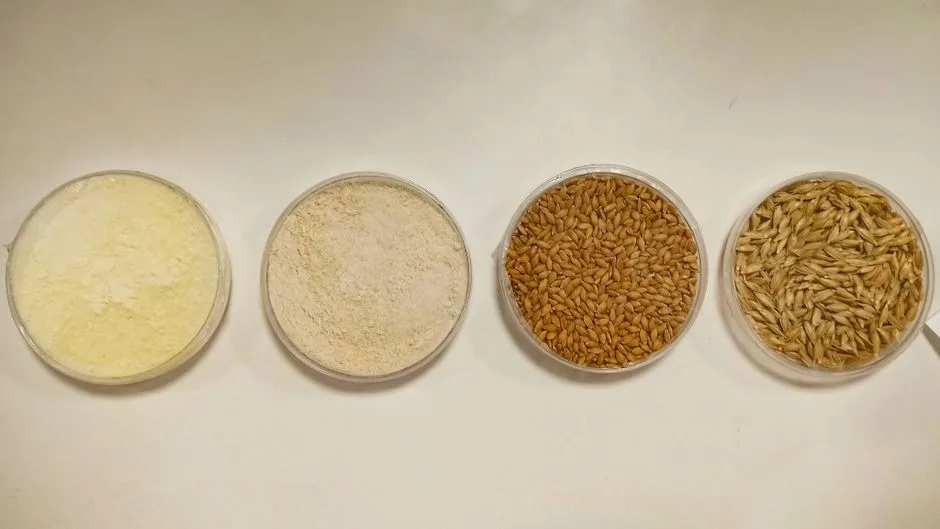
Cereal grains are a major source of calcium in many diets worldwide, but much of that calcium stays locked to phytates and other compounds that block absorption in the gut.[18] A review of strategies to boost mineral bioaccessibility in cereals found that certain processing steps and added adjuvants can help free up bound calcium, making more of it available for the body to actually absorb.[18] This suggests that how a grain based food is processed can matter as much as its calcium content on paper.
How much calcium do you actually need?
Calcium needs shift with age and life stage.
Teenagers and older adults generally need more than adults in their 20s to 50s, since bone building peaks in youth and bone loss speeds up later in life.
Pregnant and breastfeeding people also have higher calcium demands, since the growing baby draws on the parent's calcium stores.
Getting calcium spread across meals and paired with vitamin D rich foods or sunlight exposure may help your body use it more effectively than getting it all in one sitting.
A calcium rich eating pattern like the Mediterranean diet, built around dairy, leafy greens, nuts, and fish, has been linked to better fertility and reproductive health across the lifespan, and to healthier perinatal outcomes for pregnant people and their babies[8][9][10].
Frequently asked questions
Can you get too much calcium from food alone?
It is uncommon to get too much calcium from food alone. Excess intake is more often linked to high dose supplements, which can raise the risk of kidney stones and other issues in some people.
Does calcium help with muscle cramps?
Calcium is needed for normal muscle contraction, and low levels can contribute to cramping. But cramps have many causes, including low magnesium or potassium, so calcium is not always the fix.
Is calcium from plant foods as good as calcium from dairy?
Plant sources like kale, tofu, and fortified plant milks can provide meaningful calcium, though absorption varies depending on other compounds in the food, such as oxalates in spinach.
Put this to work in your own food log. Track it free with Ration →
Sources
- Calcium-D-glucarate · PMID 12197785
- Calcium Absorption from Food Products: Food Matrix Effects · PMID 35011055
- Calcium's Role and Signaling in Aging Muscle, Cellular Senescence, and Mineral Interactions · PMID 38069357
- Calcium's Role in Orchestrating Cancer Apoptosis: Mitochondrial-Centric Perspective · PMID 37240331
- Maternal and child undernutrition and overweight in low-income and middle-income countries · PMID 23746772
- Minerals and Human Health: From Deficiency to Toxicity · PMID 39940312
- Global Consensus Recommendations on Prevention and Management of Nutritional Rickets · PMID 26745253
- Mediterranean diet and female reproductive health over lifespan: a systematic review and meta-analysis · PMID 37506751
- The Influence of Metabolic Factors and Diet on Fertility · PMID 36904180
- Association between the Maternal Mediterranean Diet and Perinatal Outcomes: A Systematic Review and Meta-Analysis · PMID 38042258
- Global Burden of Hypertension and Systolic Blood Pressure of at Least 110 to 115 mm Hg, 1990-2015 · PMID 28097354
- Brain edema formation and therapy after intracerebral hemorrhage · PMID 36481437
- Intracerebral haemorrhage · PMID 19427958
- Bone calcium/phosphorus ratio determination using dual energy X-ray method · PMID 25726476
- Calcium and Phosphorus Detection Using Benchtop Versus Handheld X-ray Fluorescence Spectrometers · PMID 26375756
- Heme iron intake and the risk of colorectal cancer: a prospective analysis of the modifying role of calcium · PMID 42496761
- The Role of Gut Microbiota in Osteoporosis Triggered by High-Fat Diets: Mechanisms and Targeted Therapeutic Strategies · PMID 42530240
- A review of role and applications of adjuvants in enhancing bioaccessibility of mineral in cereals · PMID 42534607