Can Ashwagandha Lower Post-Workout Cortisol Enough to Improve Recovery Sleep?
Key takeaways
- Ashwagandha, an adaptogen from the Withania somnifera plant, has been shown to reduce cortisol levels in some trials[12].
- A 2025 meta-analysis found cortisol dropped but perceived stress did not change[12], so lower cortisol may not translate into feeling more relaxed or sleeping better.
- No study in this review has tested ashwagandha specifically for post-workout cortisol and recovery sleep.
- Other compounds like L-theanine and tart cherry have more direct sleep-outcome data[7][13].
Can ashwagandha lower post-workout cortisol enough to help you sleep?
Ashwagandha does appear to lower cortisol in many trials. A recent meta-analysis found a significant reduction in cortisol levels with regular use[12].
But that same review found no significant effect on perceived stress[12]. This gap matters a lot for anyone hoping it will fix recovery sleep after hard training.
Lower cortisol on a blood test does not always mean a person feels calmer or sleeps better. The current research does not directly test ashwagandha against post-workout cortisol spikes and next-night sleep quality.
So the honest answer is that it may help a little, but the direct evidence for this specific use is thin.
What does ashwagandha do to cortisol?
Cortisol is a hormone released by the adrenal glands. It rises during stress, including the physical stress of intense exercise.
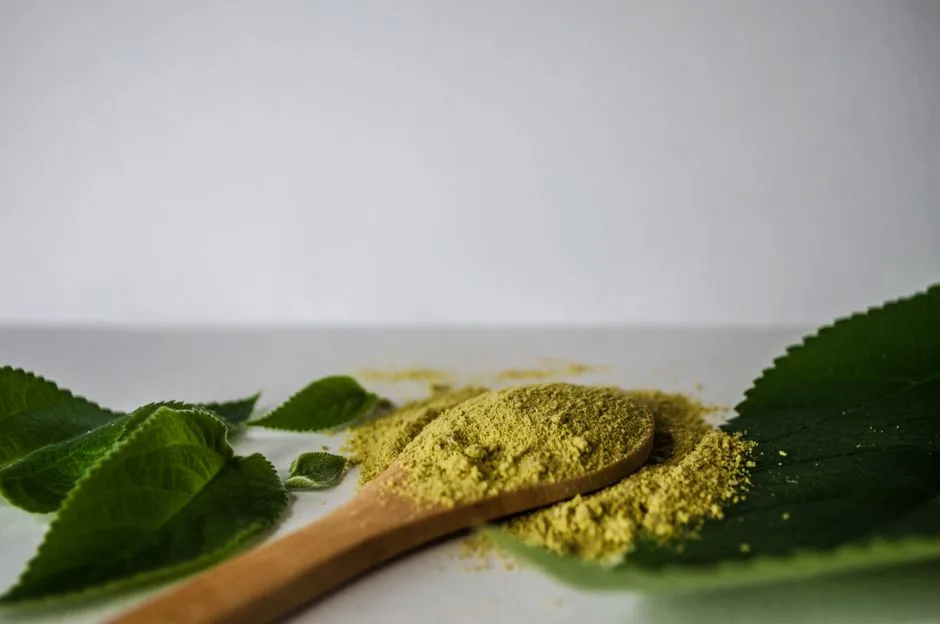
A 2025 review of ashwagandha's mechanisms in sports performance describes it as an adaptogen, a substance thought to help the body handle stress[6].
The review notes potential effects on hormone balance and recovery markers in athletes[6].
The strongest data point is a systematic review and meta-analysis pooling multiple trials, which found a significant reduction in cortisol with ashwagandha supplementation[12].
This is a meaningful finding on a biochemical level. The same analysis, though, found no significant improvement in perceived stress scores[12].
This split result is important. It suggests the hormone shift and the felt experience of stress are not always tied together.
Does lower cortisol actually mean better recovery sleep?
Cortisol naturally follows a daily rhythm. It should be low at night and rise in the morning.
High or disrupted cortisol at night is linked with poor sleep in general.
The idea that ashwagandha could help recovery sleep rests on this chain of logic. Hard training raises cortisol, high cortisol at night can disrupt sleep, so lowering cortisol should help sleep.
The problem is that no study reviewed here directly measured ashwagandha's effect on cortisol after a workout and then tracked sleep quality that same night.
The cortisol data comes from general supplementation trials, not from an exercise recovery context[12][6].
Because perceived stress did not improve in the meta-analysis[12], it is possible that ashwagandha changes a lab value without changing how rested or recovered a person feels.
This is a real gap between what we can measure and what we can confirm about sleep outcomes.
What other options have more direct sleep evidence?
Several other compounds have been tested more directly for sleep outcomes, which makes them worth knowing about for comparison.
- L-theanine, an amino acid found in tea leaves, has been linked to improved sleep quality in a systematic review and meta-analysis of supplementation trials[7].
- Another meta-analysis on L-theanine and sleep reported similar supportive findings across multiple trials[2].
- A randomized controlled trial on L-theanine in adults with moderate stress found it was safe and well tolerated over 28 days[20].
- L-theanine has also been studied for general relaxation and brain health, though the review notes the evidence does not always match the hype[5].
- Tart cherry has been reviewed specifically for its effects on sleep quality and sleep disorders[13].
- Apigenin, a plant compound, has been studied for its role at the intersection of sleep and aging[19].
None of these are proven to target exercise-induced cortisol the way ashwagandha's cortisol data suggests it might. But they have more direct sleep-outcome research behind them, which is a different kind of evidence than a cortisol blood marker.
Is ashwagandha worth trying for recovery sleep?
Ashwagandha's cortisol-lowering effect is one of its better supported findings[12]. That is a real result worth noting.
But the leap from lower cortisol to noticeably better recovery sleep after workouts is not something current trials have confirmed.
The same review that found the cortisol drop found no change in perceived stress[12], which is the closer proxy to how someone actually feels and sleeps.
Anyone considering ashwagandha for this purpose should weigh this gap honestly. The hormone data looks promising.
The sleep-specific and stress-feeling data does not yet back it up.
People with sleep concerns tied to training stress may want to look at the research on L-theanine[7][2] or tart cherry[13], since these have been studied with sleep quality as a direct outcome.
This is general information, not medical advice, and anyone with ongoing sleep or recovery problems should talk to a doctor or dietitian.
Frequently asked questions
Does ashwagandha lower cortisol after exercise specifically?
The direct evidence for this is limited. Studies show ashwagandha can lower cortisol in general supplementation trials[12][6], but none of the reviewed research measured cortisol right after a workout and tied it to that night's sleep.
If cortisol goes down, does stress go down too?
Not necessarily. A 2025 meta-analysis found cortisol dropped significantly with ashwagandha, but perceived stress did not improve[12]. This suggests the two are not always linked.
What has better evidence for sleep after training, ashwagandha or L-theanine?
L-theanine has more direct sleep-outcome research, including a systematic review[7], a separate meta-analysis[2], and a randomized controlled trial in stressed adults[20]. Ashwagandha's strongest evidence is for cortisol, not sleep itself[12].
Put this to work in your own food log. Track it free with Ration →
Sources
- Examining the effect of L-theanine on sleep: a systematic review of dietary supplementation trials · PMID 41176609
- l-theanine: From tea leaf to trending supplement - does the science match the hype for brain health and relaxation? · PMID 39854799
- Withania somnifera (Ashwagandha) supplementation: a review of its mechanisms, health benefits, and role in sports performance · PMID 39910586
- The effects of L-theanine consumption on sleep outcomes: A systematic review and meta-analysis · PMID 40056718
- Dual impact of Ashwagandha: Significant cortisol reduction but no effects on perceived stress - A systematic review and meta-analysis · PMID 40746175
- The Effect of Tart Cherry on Sleep Quality and Sleep Disorders: A Systematic Review · PMID 40964149
- Apigenin: a natural molecule at the intersection of sleep and aging · PMID 38476603
- Safety and Efficacy of AlphaWave(®) L-Theanine Supplementation for 28 Days in Healthy Adults with Moderate Stress: A Randomized, Double-Blind, Placebo-Controlled Trial · PMID 38758503