Zinc: Immunity, Hormones, and the Best Food Sources
Key takeaways
- Zinc supports immune cells, wound healing, and normal testosterone levels, and low zinc status has been linked to lower testosterone in some studies[1][2][9].
- Zinc appears to lower C-reactive protein (CRP), a marker of inflammation, in several meta-analyses of supplementation trials[5][7][8].
- Oysters, red meat, poultry, beans, nuts, and seeds are among the best food sources of zinc.
- Most healthy people get enough zinc from food, but certain groups, like vegetarians and older adults, are more likely to fall short.
Zinc is a mineral your body needs for immune function, hormone balance, and wound healing. It also helps your cells grow and divide, and it plays a role in how you taste and smell.
You cannot store zinc in your body for long. This means you need a steady supply from food or supplements to keep levels normal.
What does zinc do for immunity?
Zinc helps immune cells form and communicate. It supports white blood cells, which fight off viruses and bacteria.
Zinc also seems to calm inflammation.
Several meta-analyses of randomized controlled trials found that zinc supplementation lowered C-reactive protein, or CRP, which is a blood marker that rises during inflammation[5][7].
One trial in people with chronic liver disease found that zinc intake was linked to lower CRP and less oxidative stress, a type of cell damage caused by unstable molecules called free radicals[8].
Animal research also supports this link.
In diet-induced obese rats, zinc supplementation lowered CRP along with insulin resistance, measured by a score called HOMA-IR[4].
Zinc acts as a gatekeeper for many immune cell signals, helping control how immune cells grow, activate, and communicate with each other[11].
A broader review of zinc in health and disease also describes it as essential for a balanced immune response, since both too little and too much zinc can disrupt normal immune signaling[10].
- Supports the growth and function of immune cells
- Linked to lower CRP, a marker of inflammation[5][7][8]
- May help reduce insulin resistance in animal studies[4]
- Plays a role in wound healing and skin repair
How does zinc affect hormones like testosterone?
Zinc is closely tied to testosterone, a hormone important for muscle, bone, and reproductive health in both men and women.
A systematic review found a correlation between serum zinc levels and testosterone levels across multiple studies[1]. This suggests low zinc status often goes along with lower testosterone.
One study in men found that low serum zinc was linked to low serum testosterone, though it was not linked to erectile function[2].
Another study in men with benign prostatic hyperplasia, an enlarged prostate condition, also found a relationship between zinc and testosterone levels[3].
An older study from 1996 found that healthy adults with lower zinc status had lower testosterone levels compared to those with normal zinc status[9].
This is one of the earliest studies to link the two.
Zinc may matter for women's hormones too.
A randomized controlled trial in postmenopausal women found that zinc supplementation improved testosterone levels and sexual function compared to placebo[6].
These findings do not prove that taking zinc will raise testosterone in someone who already has normal levels. The link seems strongest in people who start out with low zinc status.
What are signs of low zinc?
Zinc deficiency is uncommon in people who eat a varied diet, but it does happen. Signs can be subtle and easy to miss.
- Frequent infections or slow recovery from illness
- Slow wound healing
- Hair thinning or hair loss
- Loss of taste or smell
- Poor appetite
- Skin issues, like rashes or sores
People at higher risk for low zinc include those with digestive conditions that affect nutrient absorption, older adults, pregnant people, and those who follow a vegetarian or vegan diet.
Plant foods contain compounds called phytates that can reduce how much zinc your body absorbs.
A systematic review of micronutrients and androgenetic alopecia, a common pattern of hair thinning, found that low zinc status was one of several nutrient gaps linked to hair loss[15].
A global epidemiology review also estimates that zinc deficiency affects a large share of people worldwide, especially in regions with limited access to animal foods[14].
What foods are highest in zinc?
Animal foods tend to supply zinc in a form your body absorbs well. Plant foods can still contribute meaningful amounts, especially when eaten in variety.
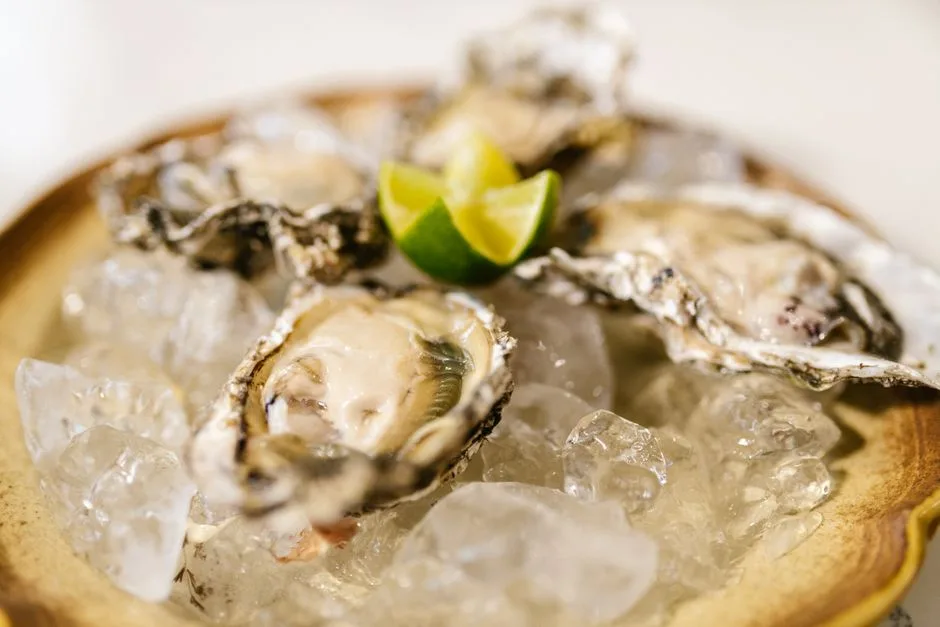
- Oysters, which are one of the richest sources of zinc by far
- Beef and other red meats
- Crab and lobster
- Poultry, like chicken and turkey
- Pork
- Beans and lentils
- Pumpkin seeds and other seeds
- Cashews and other nuts
- Fortified breakfast cereals
- Dairy products, like milk and cheese
How much zinc do you need?
Zinc needs vary by age, sex, and life stage. Adult men generally need more zinc per day than adult women, and pregnant or breastfeeding people need more still.
Eating a variety of protein sources, whole grains, nuts, and seeds most days is usually enough to meet zinc needs without tracking exact amounts.
Taking in very high amounts of zinc from supplements over a long time can interfere with copper absorption and cause other problems.
This is generally only a concern with high-dose supplements, not food.
Children can also be affected by zinc imbalance, and a review of pediatric practice found that both zinc deficiency and zinc toxicity from overuse of supplements can cause health problems in kids[13].
This is a reminder that more zinc is not always better, especially for children.
Frequently asked questions
Can zinc raise testosterone if my levels are already normal?
The evidence mostly shows a link between low zinc status and low testosterone[1][2][9]. Research has not clearly shown that zinc raises testosterone further in people who already have normal levels.
Does zinc help with colds?
Zinc supports immune cell function and has anti-inflammatory effects, shown by its link to lower CRP levels[5][7][8]. This is likely part of why zinc is popular during cold season, though this article focuses on its broader immune and hormone roles rather than cold treatment specifically.
What food has the most zinc?
Oysters contain far more zinc per serving than almost any other food. Red meat, poultry, and pumpkin seeds are also strong sources.
Put this to work in your own food log. Track it free with Ration →
Sources
- Correlation between serum zinc and testosterone: A systematic review · PMID 36577241
- Low serum zinc concentration is associated with low serum testosterone but not erectile function · PMID 36594398
- TESTOSTERONE AND SERUM ZINC LEVELS IN MEN WITH BENIGN PROSTATIC HYPERPLASIA · PMID 37805879
- Zinc Supplementation Improved Neuropeptide Y, Nesfatin-1, Leptin, C-reactive protein, and HOMA-IR of Diet-Induced Obese Rats · PMID 34708332
- The Effects of Zinc Supplementation on C-Reactive Protein and Inflammatory Cytokines: A Meta-Analysis and Systematical Review · PMID 33750215
- Effect of Zinc on Testosterone Levels and Sexual Function of Postmenopausal Women: A Randomized Controlled Trial · PMID 34311679
- The effect of zinc supplementation on plasma C-reactive protein concentrations: A systematic review and meta-analysis of randomized controlled trials · PMID 30012497
- Elemental Zinc Is Inversely Associated with C-Reactive Protein and Oxidative Stress in Chronic Liver Disease · PMID 28058664
- Zinc status and serum testosterone levels of healthy adults · PMID 8875519
- Role of zinc in health and disease · PMID 38367035
- Zinc as a Gatekeeper of Immune Function · PMID 29186856
- Zinc ionophores: chemistry and biological applications · PMID 34929542
- Zinc deficiency and toxicity in pediatric practice · PMID 25029226
- The epidemiology of global micronutrient deficiencies · PMID 26045325
- Micronutrients and Androgenetic Alopecia: A Systematic Review · PMID 39440586