Does Sulforaphane From Broccoli Sprouts Help Skin Inflammation?
Key takeaways
- Sulforaphane activates the Nrf2 pathway, which helps cells fight oxidative stress and calm inflammation.
- Direct trials on sulforaphane and skin inflammation are limited, so most support comes from related research.
- A human trial in HIV patients found sulforaphane lowered some inflammation markers, hinting at whole-body anti-inflammatory effects.
- Broccoli sprouts contain the highest natural concentration of the glucoraphanin needed to make sulforaphane.
Does sulforaphane help inflamed skin?
Sulforaphane is a plant compound found in broccoli sprouts. It forms when an enzyme in the sprouts mixes with a sulfur compound called glucoraphanin.
Research suggests sulforaphane may calm inflammation by activating a pathway called Nrf2. This pathway turns on genes that fight oxidative stress, a type of cell damage linked to inflamed, irritated skin.
Direct human trials on sulforaphane and skin inflammation are limited.
Most of the strongest evidence comes from cell studies, animal models, and human trials on other conditions where Nrf2 activation played a role.
This means the skin story is promising but not proven.
It is fair to say sulforaphane looks like a reasonable candidate for reducing skin inflammation, based on how it works elsewhere in the body.
What is the Nrf2 pathway, and why does it matter for skin?
Nrf2 is a protein inside cells that acts like a switch. When activated, it turns on genes that produce antioxidant enzymes.
Skin is exposed to UV light, pollution, and friction every day. These stressors generate free radicals, unstable molecules that trigger inflammation and damage skin cells.
Sulforaphane is one of the strongest known natural activators of Nrf2[8].
Research on sulforaphane in neurological conditions shows it can quiet inflammation by working on both the Nrf2 pathway and a separate inflammation switch called NF-kB[8].
Other Nrf2 activating compounds show similar dual action.
Baicalein, a flavonoid from Scutellaria root, targets both Nrf2 and NF-kB to reduce inflammation and oxidative stress in neurodegenerative disease models[3].
Astaxanthin, a carotenoid found in salmon and algae, works through the related Keap1-Nrf2 pathway to reduce inflammation in eye tissue affected by dryness and irritation[4].
This overlap suggests the Nrf2 pathway is a meaningful target across different inflamed tissues, not just skin.
What does the direct evidence on sulforaphane show?
One human trial looked at sulforaphane in people with HIV who were on stable antiviral treatment.
It found sulforaphane supplementation changed markers of inflammation and metabolism, suggesting real effects on inflammatory activity in the body.
This trial did not measure skin outcomes specifically. It does show sulforaphane can influence systemic inflammation in living humans, not just in a lab dish.
A separate study used a nanoliposome delivery system to carry sulforaphane into tumor cells in mice. It found this delivery method improved how well sulforaphane reached tissue and supported liver health during treatment[7].
This matters for skin because sulforaphane is broken down quickly in the body. Delivery method and dose may affect whether enough of the compound reaches skin cells to make a difference.
How does sulforaphane compare to other skin friendly antioxidants?
Sulforaphane is not the only plant compound studied for calming inflammation through similar pathways.
Several others show related effects, though most evidence again comes from cell and animal research rather than skin trials in people.
- Kaempferol, found in kale and berries, shows anti-inflammatory activity by acting on multiple inflammatory signaling pathways[1][5].
- Rutin, a flavonoid in citrus fruits and buckwheat, reduced oxidative stress and inflammation in diabetic wound healing in rats[12] and calmed gut inflammation in a colitis model.
- Baicalein, from Scutellaria root, reduced inflammation in endometriosis cell and mouse models by acting on similar stress pathways[13].
- Boswellia extract supported tissue healing and reduced inflammation markers in oral ulcers in rats[2].
These compounds are not interchangeable with sulforaphane.
But their shared mechanism, calming inflammation through antioxidant pathways, supports the general idea that plant compounds acting on Nrf2 or related pathways can influence inflamed tissue.
Bromelain, an enzyme found in pineapple stems, offers another example of a natural compound that calms inflammation through pathways distinct from Nrf2.
A randomized, double-blind, placebo-controlled trial in patients with traumatic brain injury found bromelain supplementation improved clinical outcomes and reduced markers of inflammation and oxidative stress[11].
In animal research, bromelain also reduced inflammation, oxidative stress, and cell death in testicular tissue after torsion injury[12], and a broader review of enzyme-based anti-inflammatory therapies places bromelain alongside other natural enzymes as a candidate for treating inflammatory disease[13].
Where do you find sulforaphane?
- Broccoli sprouts, which contain far more glucoraphanin than mature broccoli
- Broccoli, especially raw or lightly steamed
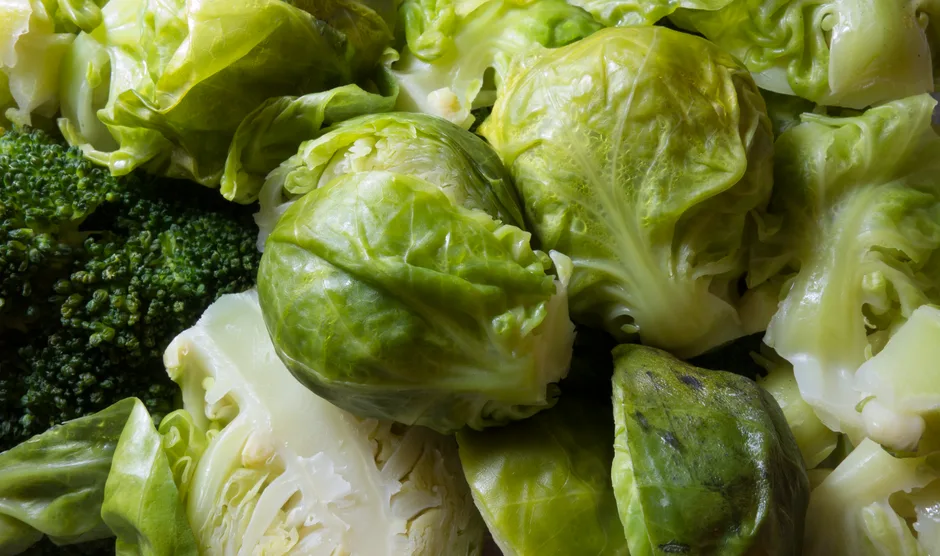
- Brussels sprouts
- Cauliflower
- Cabbage
- Kale
- Mustard seeds
Sulforaphane forms best when these vegetables are chopped or chewed raw, since this activates the enzyme myrosinase. Overcooking can destroy myrosinase and lower the amount of sulforaphane your body can make.
Is it safe to try broccoli sprouts for skin inflammation?
Eating broccoli sprouts and other cruciferous vegetables is generally considered safe for most people as a food.
They are a normal part of a vegetable rich diet, and diets built around vegetables have been linked to lower inflammation markers in broader dietary research[6].
Concentrated sulforaphane supplements are a different matter. These have not been studied extensively for skin conditions, and long term safety data for high dose supplementation is limited.
Anyone with a thyroid condition should be aware that cruciferous vegetables contain compounds called goitrogens, which can interfere with iodine uptake in very high amounts.
This is generally only a concern with very large intakes of raw cruciferous vegetables.
Frequently asked questions
Can eating broccoli sprouts clear up acne or eczema?
There is no direct clinical trial showing broccoli sprouts clear acne or eczema. The Nrf2 antioxidant research suggests a plausible mechanism, but skin specific human trials are still needed.
How much broccoli sprouts would you need to eat?
There is no established effective dose for skin inflammation. Research doses vary widely across studies and often use concentrated extracts rather than food amounts.
Is sulforaphane the same as broccoli extract supplements sold for skin health?
Not always. Some supplements are standardized for sulforaphane or glucoraphanin content, while others are general broccoli extract with unclear amounts of the active compound.
Put this to work in your own food log. Track it free with Ration →
Sources
- Kaempferol: Unveiling its anti-inflammatory properties for therapeutic innovation · PMID 39754793
- Boswellia Extract Promotes Healing and Resolving Inflammation in Oral Ulcers of Rat · PMID 39871413
- Astaxanthin ameliorates benzalkonium chloride-induced dry eye disease through suppressing inflammation and oxidative stress via Keap1-Nrf2/HO-1 signaling pathways · PMID 40045550
- Research progress on pharmacokinetics, anti-inflammatory and immunomodulatory effects of kaempferol · PMID 40054326
- Impact of Vegan and Vegetarian Diets on Neurological Health: A Critical Review · PMID 40077754
- Nanoliposome-mediated delivery of sulforaphane suppresses Ehrlich ascites carcinoma growth and improves liver integrity and therapeutic outcomes in a murine model · PMID 41291551
- Rutin Ameliorates Inflammation and Oxidative Stress in Ulcerative Colitis by Inhibiting NLRP3 Inflammasome Signaling Pathway · PMID 39138797
- The effect of sulforaphane on markers of inflammation and metabolism in virally suppressed HIV patients · PMID 39539366
- Enzyme-Based Anti-Inflammatory Therapeutics for Inflammatory Diseases · PMID 40430897
- Protective Effects of Bromelain in Testicular Torsion-Detorsion: Reducing Inflammation, Oxidative Stress, and Apoptosis While Enhancing Sperm Quality · PMID 40001595
- The Effects of Bromelain Supplementation on Clinical Outcomes, Inflammatory and Oxidative Stress Biomarkers in Patients With Traumatic Brain Injury: A Randomized, Double-Blind Placebo-Controlled Clinical Trial · PMID 42534353
- Protective Effects of Bromelain in Testicular Torsion-Detorsion: Reducing Inflammation, Oxidative Stress, and Apoptosis While Enhancing Sperm Quality · PMID 40001595
- Enzyme-Based Anti-Inflammatory Therapeutics for Inflammatory Diseases · PMID 40430897