Astaxanthin: Benefits, Uses, and Side Effects
Key takeaways
- Astaxanthin is a carotenoid pigment that gives salmon, shrimp, and lobster their reddish color.
- It works as an antioxidant and may lower inflammation in the body.[1]
- Research suggests possible benefits for skin, eyes, heart, joints, and brain health, though most human trials are small.[1]
- Astaxanthin supplements are made from the microalga Haematococcus pluvialis.[2]
What is astaxanthin?
Astaxanthin is a natural pigment called a carotenoid.
Carotenoids are colorful compounds found in plants, algae, and some animals.
Beta carotene and lutein are other well known carotenoids.
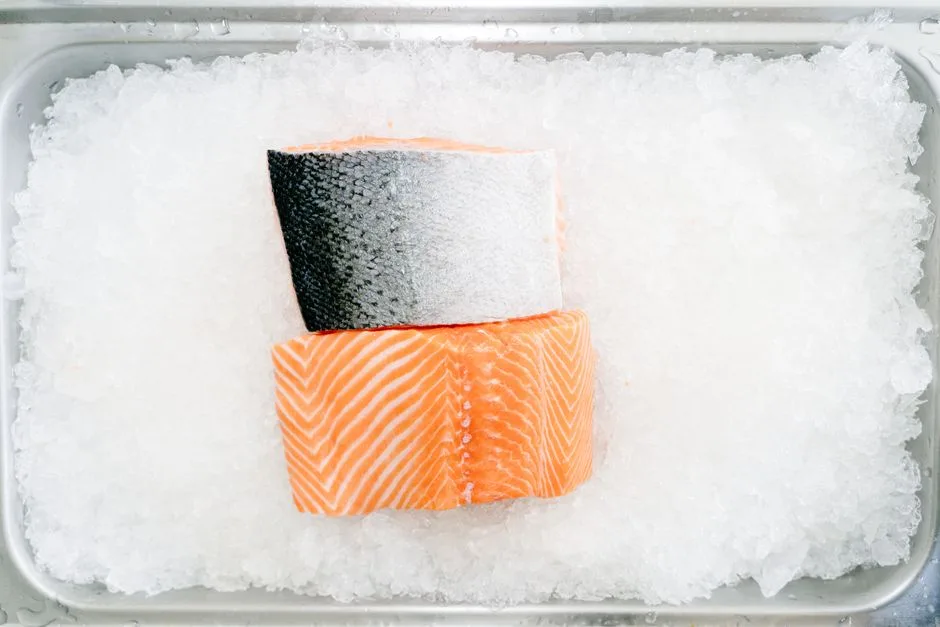
Astaxanthin gives salmon, shrimp, crayfish, and lobster their pink or red color.
Flamingos get their pink feathers from eating shrimp and algae rich in this pigment.
The main source used for supplements is a microalga called Haematococcus pluvialis.[2]
This algae makes large amounts of astaxanthin when it is stressed by sunlight, heat, or lack of nutrients.[4]
Producers grow the algae in large outdoor ponds or closed tanks called photobioreactors to harvest the pigment.[7]
Some companies also grow algae in dark tanks fed with sugar instead of sunlight, a method called heterotrophic cultivation.[5]
Astaxanthin belongs to a small group of carotenoids valued for both food color and health uses.[3]
Why does astaxanthin matter for health?
Your body deals with unstable molecules called free radicals every day.
Free radicals build up from normal metabolism, pollution, and sun exposure.
Too many free radicals cause oxidative stress, which can damage cells and DNA.
Antioxidants like astaxanthin help neutralize free radicals before they cause harm.[1]
Astaxanthin is considered one of the strongest antioxidants among carotenoids.[2]
It also appears to lower inflammation by blocking certain inflammatory signals in the body.[1]
Chronic low grade inflammation is linked to heart disease, joint pain, and other long term conditions.
This is why astaxanthin has drawn interest for so many different parts of the body.
How might astaxanthin work in the body?
Astaxanthin sits inside cell membranes in a unique way that spans the entire membrane.
This position may let it protect cells from damage on both the inside and outside.[1]
Researchers believe astaxanthin can activate a cell pathway called Nrf2.
Nrf2 turns on genes that make the body's own antioxidant defenses.[6]
Astaxanthin may also interact with other cell pathways involved in energy use and inflammation, such as AMPK.[6]
These pathways are also being studied for their role in preserving bone density.[6]
Because of this wide reach, astaxanthin is studied for the brain, skin, eyes, heart, and joints, not just one organ.[1]
What does the evidence show?
Human clinical trials on astaxanthin are still fairly limited but growing.[1]
A review of human trials found possible benefits for skin health, including better moisture and elasticity.[1]
Some studies suggest astaxanthin can support eye comfort and blood flow to the eyes.[1]
There is early evidence it may help lower triglycerides and support healthy cholesterol levels.[1]
Some research points to benefits for thinking skills and brain aging, though more studies are needed.[1]
Astaxanthin has also been studied alongside other nutraceuticals for supporting bone strength.[6]
Most of these trials use supplement doses, not the amount found in a typical seafood meal.
Larger, longer studies are still needed to confirm many of these effects.[1]
What are the possible benefits of astaxanthin?
- May support skin health by improving moisture, elasticity, and reducing redness[1]
- May support heart health by helping manage cholesterol and triglycerides[1]
- May support eye health by improving blood flow[1]
- May help lower inflammation linked to joint pain and stiffness[1]
- May support brain health and healthy aging[1]
- May help protect the immune system's cells[1]
Where do you find astaxanthin in food?
- Salmon
- Shrimp
- Crayfish
- Lobster
- Trout
- Krill
These foods get their pigment from eating algae or smaller organisms that contain astaxanthin.
Wild salmon tends to have more astaxanthin than farmed salmon, though amounts vary.
Astaxanthin supplements are usually made directly from Haematococcus pluvialis algae extract.[2]
Carotenoid supplements like this are part of a growing global market for natural pigments used in food and health products.[3]
What should you actually do?
- Add more seafood like salmon, shrimp, or trout to your meals a few times a week
- Choose wild caught seafood when possible for potentially higher astaxanthin content
- Pair seafood with healthy fats, since astaxanthin is fat soluble and may absorb better with fat
- Talk to a healthcare provider before starting an astaxanthin supplement
- Check supplement labels for the amount of astaxanthin per dose
- Avoid relying on supplements as a substitute for a varied, balanced diet
Getting astaxanthin from food is a simple way to add an antioxidant boost to your diet.
Supplements can offer higher doses, but they have not been studied as long as food sources.
Is astaxanthin safe?
Astaxanthin from food sources is considered safe for most people.
Supplement forms appear to be well tolerated in the doses used in clinical research.[1]
Some people may experience mild digestive upset or a change in stool color.
People who are pregnant, breastfeeding, or on blood thinners should check with a doctor before taking astaxanthin supplements.
People with allergies to shellfish should be cautious with astaxanthin derived from crustaceans.
Algae based astaxanthin supplements may be a better option for those with shellfish allergies.[2]
As with any supplement, quality and dose can vary between brands.
Who might benefit most from astaxanthin?
- People looking to support skin health and appearance
- People managing mild joint stiffness or inflammation
- People interested in supporting heart health markers like triglycerides
- People who eat little to no seafood and want another antioxidant source
- Older adults interested in brain health and healthy aging support
Astaxanthin is not a treatment for any disease.
It may work best as one part of an overall healthy diet and lifestyle.
Frequently asked questions
Is astaxanthin the same as beta carotene?
No, they are both carotenoids but different compounds. Astaxanthin gives seafood its red color, while beta carotene gives carrots their orange color.
How much astaxanthin do you need each day?
There is no official recommended daily amount. Clinical trials have used a range of supplement doses, so it is best to follow product labeling and talk with a healthcare provider.[1]
Can you get enough astaxanthin from food alone?
Eating salmon, shrimp, or other seafood a few times a week can provide astaxanthin, though amounts vary by species and source.[2]
Put this to work in your own food log. Track it free with Ration →
Sources
- "Therapeutic uses of natural astaxanthin: An evidence-based review focused on human clinical trials" · PMID 33549728
- Microalgae Derived Astaxanthin: Research and Consumer Trends and Industrial Use as Food · PMID 34681351
- Carotenoids Production: A Healthy and Profitable Industry · PMID 30109623
- Recent advancements in astaxanthin production from microalgae: A review · PMID 36174899
- Heterotrophic cultivation of microalgae for pigment production: A review · PMID 28947090
- Targeting Sirt1, AMPK, Nrf2, CK2, and Soluble Guanylate Cyclase with Nutraceuticals: A Practical Strategy for Preserving Bone Mass · PMID 35563167
- Outdoor cultivation of microalgae for carotenoid production: current state and perspectives · PMID 17277962