Are Chili Peppers Healthy?
Key takeaways
- Chili peppers contain capsaicin and other plant compounds like phenolamides that may support blood sugar control.
- Immature, green chili peppers may have stronger antidiabetic activity than fully ripe ones, according to new research[1].
- Capsaicin may boost metabolism slightly and support heart health, but effects are modest.
- Chili peppers are safe for most people in normal food amounts, though very spicy varieties can upset the stomach.
What are chili peppers?
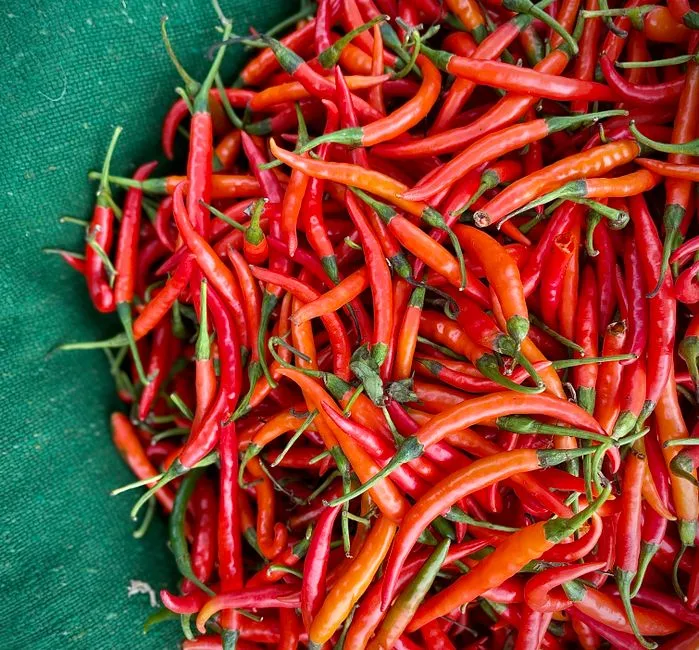
Chili peppers come from the plant species Capsicum annuum and its relatives.
They range from mild bell-like varieties to extremely hot types like habanero and ghost pepper.
People have used chili peppers as food and medicine for thousands of years.
Today scientists study them for their capsaicin content and other plant compounds called phytochemicals.
Why do chili peppers matter for health?
Chili peppers are low in calories and rich in vitamin C, vitamin A, and antioxidants.
They also contain unique plant compounds not found in many other foods.
One group of these compounds, called phenolamides, has drawn new research interest.
Phenolamides are plant chemicals made from a combination of amino acids and phenolic acids.
Some of these compounds may help slow how fast the body absorbs sugar from food.
How might chili peppers affect blood sugar?
One way foods can affect blood sugar is by blocking an enzyme called alpha-glucosidase.
This enzyme breaks down carbohydrates into simple sugars in the small intestine.
When alpha-glucosidase is blocked, sugar is absorbed more slowly.
This is the same mechanism used by some prescription diabetes medications, called alpha-glucosidase inhibitors.
A recent study tested three chili pepper cultivars at different ripening stages for this enzyme-blocking activity[1].
Researchers found that alpha-glucosidase inhibitory activity was strongest in immature, green fruits across all three cultivars[1].
One Korean landrace-derived cultivar called Sumihyang showed the highest activity of the three[1].
The researchers traced this effect to two specific phenolamides, caffeoylputrescine and feruloylputrescine[1].
Levels of these two compounds correlated very strongly with enzyme-blocking activity, with a correlation above 0.92[1].
When tested alone, caffeoylputrescine and feruloylputrescine both blocked the enzyme in lab conditions[1].
Feruloylputrescine had not been tested in this way before this study[1].
Interestingly, the total amount of flavonoids in the peppers did not explain the differences in activity[1].
This suggests specific phenolamide compounds matter more than total antioxidant content for this particular effect[1].
This research was done in a lab using enzyme assays, not in people, so it cannot show how eating chili peppers affects blood sugar in the body.
What else do chili peppers do in the body?
Capsaicin is the compound that gives chili peppers their heat.
Capsaicin binds to a receptor called TRPV1, which is also involved in sensing heat and pain.
This is why spicy food can cause a burning feeling and sometimes sweating.
Capsaicin may slightly increase how many calories the body burns after eating.
Some research also links capsaicin intake to modest reductions in appetite.
Chili peppers contain vitamin C, which supports immune function and skin health.
They also contain carotenoids, the pigments that give red peppers their bright color.
Do chili peppers help with diabetes or weight?
Chili peppers are sometimes marketed as a natural way to manage blood sugar.
The enzyme-blocking research on phenolamides is promising, but it was done in a lab, not in people[1].
This means it is too early to say that eating chili peppers will lower blood sugar in humans.
The compounds identified need more testing to see how well the body absorbs and uses them, a concept called bioavailability.
For weight management, capsaicin's effects on metabolism are real but small.
Chili peppers are best thought of as a helpful addition to a balanced diet, not a treatment for any condition.
What to do: how to add chili peppers to your diet
You do not need extremely hot peppers to get benefits from this food group.
Here are simple ways to include chili peppers in meals.
- Add diced fresh chili peppers to eggs, salsas, or stir-fries
- Choose green, less-ripe peppers if you want a milder heat with a crisp texture
- Use dried chili flakes or powder to season soups, beans, and roasted vegetables
- Pair chili peppers with fiber-rich foods like beans or whole grains for a fuller meal
- Start with small amounts if you are not used to spicy food, then increase slowly
- Avoid chili peppers late at night if spicy food triggers heartburn for you
Who should be careful with chili peppers?
Most healthy people can eat chili peppers safely as part of meals.
Some people with acid reflux or irritable bowel syndrome may find spicy peppers worsen symptoms.
People with a sensitive stomach or ulcers may want to limit very hot varieties.
Anyone taking blood sugar medication should talk with a doctor before making major diet changes, since combining strong plant compounds with medication needs medical guidance.
Pregnant people can generally eat chili peppers in normal food amounts, but very large amounts of any strong spice is not well studied.
Frequently asked questions
Do green chili peppers have more health benefits than red ones?
New lab research suggests immature, green chili peppers may have stronger blood-sugar-related enzyme activity than fully ripe, red peppers, at least for certain compounds called phenolamides[1]. More human research is needed to confirm this translates to real health benefits.
Can chili peppers lower blood sugar?
Some compounds in chili peppers can block an enzyme involved in sugar absorption in lab tests[1]. This does not yet prove that eating chili peppers lowers blood sugar in people, so it should not replace medical treatment.
Are spicy foods bad for your stomach?
For most healthy people, spicy foods are not harmful and do not cause ulcers. People with acid reflux or a sensitive digestive system may feel more discomfort after eating very spicy peppers.
Put this to work in your own food log. Track it free with Ration →