Best Foods for Constipation
Key takeaways
- Fiber rich foods like prunes, pears, oats, legumes, and flaxseeds help by adding bulk and water to stool
- Prebiotic fibers from foods like chicory root, garlic, and onion have been shown in clinical trials to improve stool frequency and consistency[4]
- Water intake matters as much as fiber, since fiber needs water to work
- Diet changes are usually the first step recommended for constipation, though chronic or severe cases may need medical care[3]
What is constipation?
Constipation means having fewer than three bowel movements a week.
It can also mean hard, dry stools that are painful or hard to pass.
Some people feel like they cannot fully empty their bowels.
Doctors call this a common problem with many possible causes[1].
It can come from slow movement of food through the gut, muscle problems, or blockages in the rectum[2].
Diet, water intake, activity level, and certain medications all play a role.
Why does food matter so much?
Fiber is the part of plant food your body cannot fully digest.
It adds bulk to stool and helps water stay inside it.
Bigger, softer stool moves through the colon more easily.
Some fiber also feeds the good bacteria living in your gut.
These bacteria ferment fiber into short chain fatty acids, which can help the colon work better[4].
Water is just as important as fiber.
Fiber without enough water can actually make constipation worse, since it needs water to do its job.
A whole diet pattern may matter as much as any single food.
Studies on the Mediterranean diet, which is rich in fiber from vegetables, fruits, legumes, and whole grains, show it can shift gut bacteria toward types that produce more short chain fatty acids[9] [10].
This kind of eating pattern has also been linked to better sleep and mental health, which can matter for constipation since stress and poor sleep can slow the gut down[11].
What does the research show?
A large review of clinical trials looked at non-digestible oligosaccharides, a type of prebiotic fiber found in foods like chicory root, onions, and garlic.
It found these fibers increased stool frequency and softened stool consistency across many studies[4].
The same review linked this fiber to more short chain fatty acid production in the gut, a sign of healthy fermentation[4].
Older medical reviews have long recommended increasing dietary fiber as a first step for most people with constipation[1].
This advice holds true even in more complex cases, like constipation from anorectal muscle problems[2].
Newer guidelines on managing constipation still list diet and fiber changes as a starting point before other treatments[3].
This matters for many groups of people, not just healthy adults.
Research on women with chronic constipation shows it can also affect bladder and pelvic symptoms, which is one more reason to address it early[5].
Constipation is also a major concern in palliative and cancer care, where guidelines stress prevention through diet, fluids, and activity[6].
In older adults in long term care, low fiber intake and low fluid intake are common causes of constipation and fecal impaction[7].
A newer randomized controlled trial looked at a multi strain probiotic in people with a history of bile acid malabsorption, a condition that often causes diarrhea but can also disrupt normal bowel patterns.[12] The probiotic changed the bile acid profile and shifted the gut microbiome toward a healthier metabolomic pattern.[12] This adds to the case that gut bacteria, not just fiber intake, help set stool consistency and bowel regularity.[12]
Not all fiber acts the same way once it reaches the gut.
A recent trial found that resistant starch, a type of fiber found in foods like cooked and cooled potatoes, green bananas, and legumes, changes the gut microbiome differently depending on its type.[13] Both type 2 and type 4 resistant starch shifted gut bacteria in ways that reversed once people stopped eating them, showing these effects depend on steady intake rather than a one time fix.[13]
Pectin, a soluble fiber found in citrus peel and fruit pulp, is also being studied as a prebiotic that feeds gut bacteria.[14] A newer lab study found that a modified, homogalacturonan-rich form of citrus pectin was fermented well by gut bacteria and encouraged the growth of beneficial strains.[14] This suggests citrus fiber may work alongside prebiotics like chicory root and resistant starch to support a healthy gut environment tied to regular stool patterns.[14]
Which foods actually help?
No single food is magic, but some are especially useful because of their fiber type and water content.
- Prunes: high in fiber and sorbitol, a natural sugar alcohol that pulls water into the colon
- Pears and apples: contain both soluble and insoluble fiber, especially in the skin
- Kiwifruit: rich in fiber and has been studied for improving stool frequency
- Oats: contain beta-glucan, a soluble fiber that adds bulk to stool
- Chia seeds and flaxseeds: absorb water and form a gel that softens stool
- Legumes like lentils, chickpeas, and black beans: very high in fiber per serving
- Leafy greens like spinach and broccoli: add both fiber and water
- Whole grains like brown rice, quinoa, and whole wheat bread: more fiber than refined grains
- Chicory root, garlic, and onions: sources of prebiotic fiber studied for stool changes[4]
- Water and water-rich foods like cucumber, melon, and soup
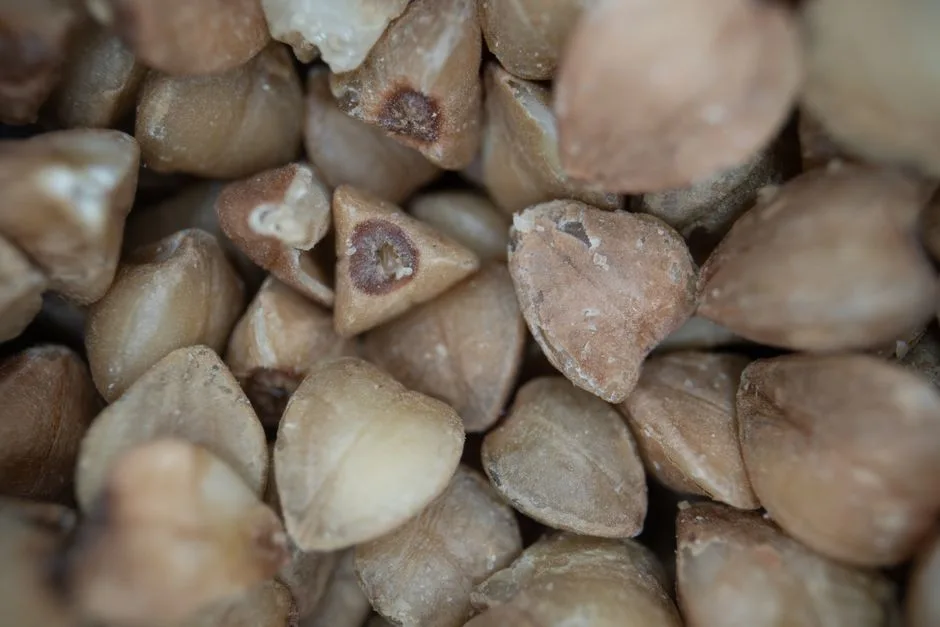
Buckwheat is another whole grain worth adding to the list, since it is high in fiber and contains plant compounds called phenolics that support gut health.[15] These phenolics act as antioxidants and may also feed beneficial gut bacteria, similar to other prebiotic fibers.[15] Buckwheat can replace rice, wheat, or other grains in meals as an easy way to boost daily fiber intake.[15]
What should you actually eat and do?
Start by adding fiber slowly over one to two weeks.
Adding too much fiber too fast can cause gas and bloating.
- Aim for fiber from both fruits and vegetables at most meals
- Choose whole grains instead of refined white bread, rice, and pasta
- Add a serving of prunes, chia seeds, or flaxseeds to breakfast
- Drink water throughout the day, not just with meals
- Include a source of prebiotic fiber, like garlic, onion, or chicory root, a few times a week[4]
- Move your body daily, since physical activity helps the gut move stool along
- Try to go to the bathroom at the same time each day to build a routine
These steps are simple, but they reflect the same basic advice found across decades of medical research[1] [3].
Who does this help most?
Anyone with occasional or mild constipation can often improve with diet changes alone.
People with chronic constipation may need diet changes plus other treatments guided by a doctor[3].
Older adults are at higher risk for constipation due to lower fiber and fluid intake, less activity, and more medication use[7].
People receiving cancer treatment or palliative care often need extra attention to fiber and fluids, since pain medications can slow the gut[6].
Women with chronic constipation may also notice improvement in related bladder or pelvic symptoms when bowel habits improve[5].
Are there risks to eating more fiber?
For most healthy people, increasing fiber from food is safe.
Some people notice gas, cramping, or bloating when they add fiber too quickly.
People with certain bowel conditions or a history of blockages should talk to a doctor before making big changes.
Constipation that does not improve with diet, or that comes with pain, bleeding, or weight loss, should be checked by a doctor[1].)
Frequently asked questions
How much fiber do I need each day?
Most adults benefit from around 25 to 38 grams of fiber a day, though needs vary by age and sex.
Can drinking more water alone fix constipation?
Water helps, but it works best alongside enough fiber, since fiber needs water to soften and bulk up stool.
Are supplements as good as food for fiber?
Food sources give fiber along with vitamins, minerals, and prebiotic compounds, so they are often preferred over supplements when possible.
Put this to work in your own food log. Track it free with Ration →
Sources
- Evaluation of constipation · PMID 12074527
- Constipation of anorectal outlet obstruction: pathophysiology, evaluation and management · PMID 16677147
- New Options in Constipation Management · PMID 26449843
- Non-Digestible Oligosaccharides and Constipation: A Systematic Review and Meta-Analysis of Randomized Trials on Stool Frequency, Stool Consistency, and Fermentation Biomarkers · PMID 41156499
- Women with chronic constipation have more bothersome urogenital symptoms · PMID 34820751
- [Constipation in Patients with Incurable Cancer - Recommendations of the German S3 Guideline 'Palliative Medicine'] · PMID 27509350
- Constipation and fecal impaction in the long-term care patient · PMID 2842023
- [Constipation] · PMID 5176920
- High-level adherence to a Mediterranean diet beneficially impacts the gut microbiota and associated metabolome · PMID 26416813
- The Effects of the Mediterranean Diet on Health and Gut Microbiota · PMID 37432307
- Diet, Sleep, and Mental Health: Insights from the UK Biobank Study · PMID 34444731
- Clinical Trial: Multi-Strain Probiotic Improves Bile Acid Profile, Microbiome, and Metabolomic Parameters in Patients With History of Bile Acid Malabsorption-A Randomized, Controlled Trial · PMID 42487516
- Resistant starch types 2 and 4 induce distinct and reversible changes in the human gut microbiome · PMID 42496113
- Modified homogalacturonan-rich citrus pectin as potential next-generation prebiotics · PMID 42494045
- Buckwheat grain phenolics: Composition, bioactivity, and processing · PMID 42497695