Benefits of Walnuts
Key takeaways
- Walnuts are rich in omega-3 fat, polyphenols, and fiber, a combination that supports heart and brain health[5].
- Regular walnut intake is linked to better cholesterol levels and lower inflammation[1].
- Animal and lab studies suggest walnut compounds may slow tumor growth and support brain function, though human evidence is still developing[2][3].
- A handful a day, about 1 ounce, is a common and reasonable serving.
What are walnuts?
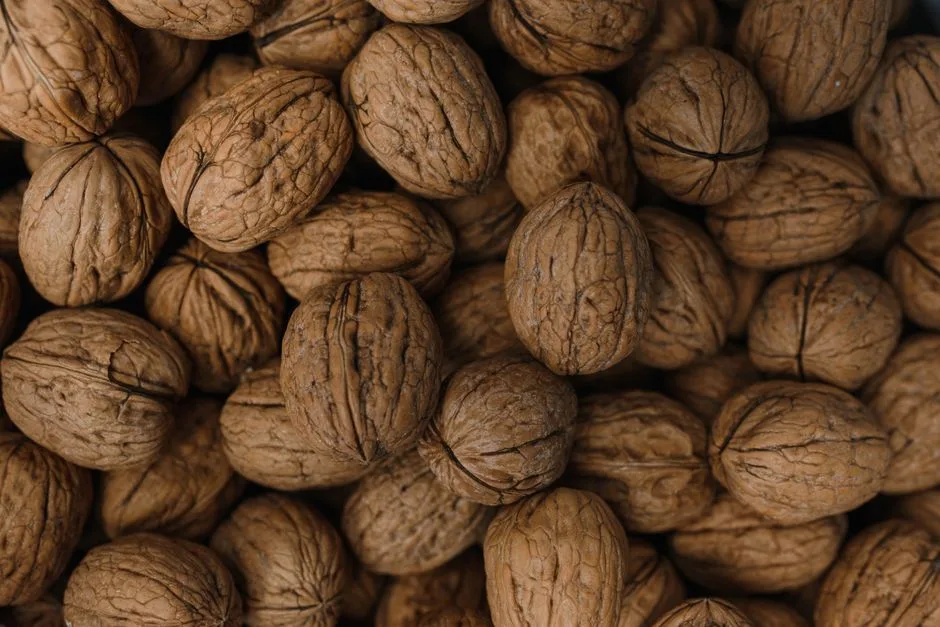
Walnuts are the seeds of the Juglans regia tree.
They grow inside a hard shell that cracks open to reveal a wrinkled, brain-shaped nut.
People have eaten walnuts for thousands of years.
Today they are one of the most studied tree nuts in nutrition research[1].
Walnuts stand out because they contain more alpha-linolenic acid, a plant based omega-3 fatty acid, than most other nuts[5].
They also pack polyphenols, fiber, and minerals like magnesium and copper[5].
Why do walnuts matter for health?
Most nuts are healthy, but walnuts have a fat profile that sets them apart.
About half their fat is polyunsaturated, and a good chunk of that is alpha-linolenic acid[5].
This omega-3 fat is linked to lower inflammation and better blood vessel function.
Walnuts also contain a unique mix of antioxidants, including ellagitannins, which gut bacteria convert into compounds called urolithins[5].
Urolithins have drawn interest for their potential role in cellular health and aging[5].
Walnuts contain protein, fiber, vitamin E, folate, and minerals like manganese and potassium too[1].
This nutrient mix is why walnuts are often highlighted in heart healthy eating patterns like the Mediterranean diet.
What does the research show?
Heart health is the area with the most consistent human evidence.
Studies link regular walnut consumption to lower LDL cholesterol and improved blood vessel function[1][5].
Brain health is another major research focus.
Reviews of walnut studies point to benefits for memory and cognitive performance, possibly tied to their omega-3 and antioxidant content[3][7].
Some research suggests walnut compounds may reduce neuroinflammation, a process linked to cognitive decline[4].
Cancer research on walnuts is still early and mostly done in mice, not people.
Animal studies suggest walnut extract may slow the growth of certain tumors, including breast cancer models[2].
These findings are promising but cannot be applied directly to humans yet.
Walnuts also contain antioxidant peptides, small protein fragments that show free radical fighting activity in lab studies[8].
Genomic research is helping scientists understand how walnut trees produce these beneficial compounds, which may lead to improved varieties in the future[6].
How might walnuts help the body?
Several mechanisms likely work together.
- Alpha-linolenic acid may lower inflammation and support healthy blood vessels[5].
- Polyphenols and ellagitannins act as antioxidants, helping neutralize free radicals[5][8].
- Fiber supports gut bacteria and helps slow digestion, which can steady blood sugar.
- Plant sterols in walnuts may help block cholesterol absorption in the gut[1].
- Compounds in walnuts may cross into brain tissue and reduce inflammatory signaling there[4][7].
What are the main benefits of walnuts?
- Heart health: linked to improved cholesterol levels and vascular function[1][5].
- Brain health: associated with better memory and cognitive performance in aging adults[3][7].
- Antioxidant support: rich in polyphenols and peptides that fight oxidative stress[8].
- Anti-inflammatory potential: omega-3 content may help lower chronic inflammation[5].
- Possible cancer-related benefits: early animal studies suggest tumor-slowing effects, though human data is limited[2].
How many walnuts should you eat?
Most research uses about 1 ounce of walnuts per day, roughly a small handful or 14 walnut halves[1].
Some studies use larger amounts, up to 2 ounces daily, especially in heart health research[5].
There is no official required dose, since walnuts are a food, not a supplement.
A modest daily handful fits easily into most eating patterns without major calorie concerns.
What to do: how to add walnuts to your diet
- Add a small handful of walnuts to oatmeal or yogurt in the morning.
- Toss chopped walnuts into salads for crunch and healthy fat.
- Blend walnuts into pesto instead of, or alongside, pine nuts.
- Use ground walnuts as a coating for chicken or fish.
- Keep raw or lightly roasted walnuts on hand for a quick snack.
- Store walnuts in the fridge or freezer to prevent the fats from going rancid.
- Choose unsalted, unroasted varieties to avoid extra sodium and heat-damaged fats.
Who benefits most from eating walnuts?
People focused on heart health may benefit from adding walnuts to a balanced diet[1].
Older adults interested in supporting memory and brain function may find walnuts a useful addition[3][7].
People following plant based diets can use walnuts as a source of omega-3 fat, since they do not eat fish[1].
Anyone with a tree nut allergy should avoid walnuts completely.
People managing weight can still enjoy walnuts, but should watch portion size since nuts are calorie dense.
Are there risks or downsides?
Walnuts are generally safe for most people.
The biggest concern is allergy, which can be serious and even life threatening for some individuals.
Walnuts are high in calories, so eating large amounts without adjusting other foods could contribute to weight gain over time.
Rancid walnuts can develop harmful compounds, so proper storage matters.
People taking blood thinning medication should mention nut intake to their doctor, since omega-3 fats can have mild effects on blood clotting.
Frequently asked questions
Are walnuts good for cholesterol?
Research links regular walnut intake to lower LDL cholesterol and better blood vessel function, likely due to their fat and polyphenol content[1][5].
Can walnuts help with brain health?
Several reviews suggest walnuts support memory and cognitive function in aging adults, possibly through their omega-3 fats and antioxidants[3][7].
Do walnuts fight cancer?
Some animal studies show walnut extract slowing tumor growth, but this research is still early and has not been confirmed in large human trials[2].
Put this to work in your own food log. Track it free with Ration →
Sources
- An overview of walnuts application as a plant-based · PMID 36589804
- Walnuts have potential for cancer prevention and treatment in mice · PMID 24500939
- Beneficial Effects of Walnuts on Cognition and Brain Health · PMID 32093220
- Recent Studies on Protective Effects of Walnuts against Neuroinflammation · PMID 36297047
- Walnuts (Juglans regia) Chemical Composition and Research in Human Health · PMID 25747270
- Genomics: cracking the mysteries of walnuts · PMID 31204723
- Role of walnuts in maintaining brain health with age · PMID 24500933
- Research Progress on the Preparation and Function of Antioxidant Peptides from Walnuts · PMID 37834300