Best Foods for an Upset Stomach
Key takeaways
- Bland foods like bananas, rice, applesauce, and toast are gentle choices during stomach upset[1]
- Ginger and small, frequent meals may help ease nausea[1] [4]
- Fried, spicy, and high fat foods, plus alcohol and dairy, tend to make symptoms worse
- Frequent stomach upset can signal celiac disease or a medication side effect and is worth a doctor visit[7] [8] [6]
What counts as an upset stomach?
An upset stomach is a general term.
It can mean nausea, cramping, bloating, gas, or mild diarrhea.
It is not one single illness.
It is a symptom that can come from many causes[1].
- Eating too much or too fast
- A stomach bug or food poisoning
- Food intolerance, like to lactose or gluten
- Stress or anxiety
- Motion sickness or travel[5]
- Medication side effects
- Underlying conditions like celiac disease[7]
Most cases are short and mild.
They clear up on their own within a day or two[4].
Why does food choice matter?
An irritated stomach has less ability to handle heavy, greasy, or spicy food.
Fat and fiber slow down stomach emptying.
This can make nausea and fullness feel worse.
Simple, bland foods are easier to digest.
They also lower the chance of adding new irritation on top of the original problem[1].
Getting fluids and a little sodium and potassium back in also matters.
Vomiting or diarrhea can drain the body of water and electrolytes[4].
What foods actually help?
The classic starting point is the BRAT diet.
BRAT stands for bananas, rice, applesauce, and toast.
These foods are low in fiber, low in fat, and gentle on the gut.
- Bananas, which supply potassium and are easy to digest
- White rice, a plain source of energy with little fiber
- Applesauce, gentle fiber without the skin of a whole apple
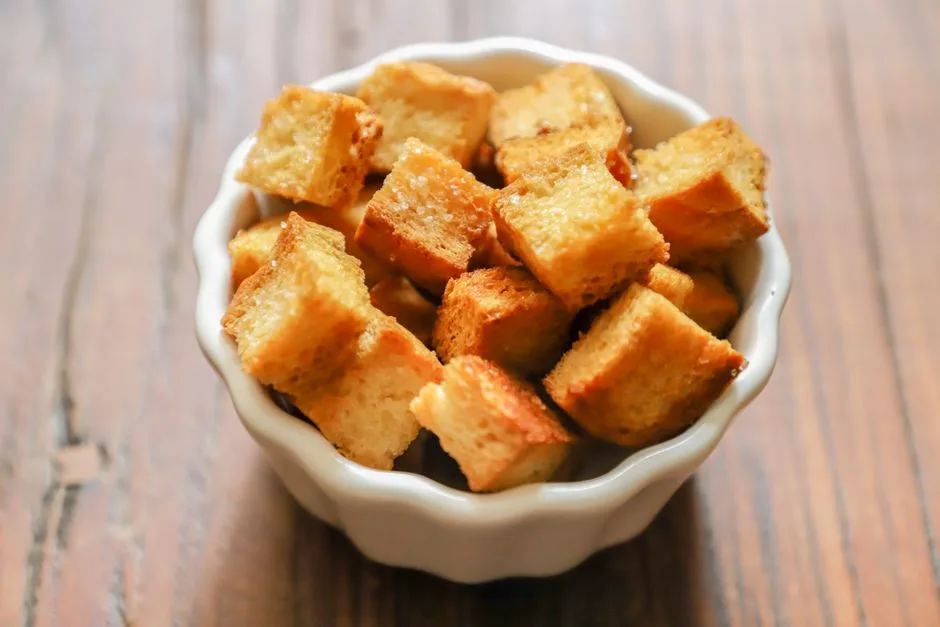
- Plain toast or crackers, easy on the stomach
- Ginger, often used to ease nausea
- Peppermint tea, sometimes soothing for cramping
- Clear broths, for fluids and sodium
- Oral rehydration drinks, for fluids and electrolytes
Ginger is one of the more studied options for nausea.
It is widely used for stomach upset tied to motion, pregnancy, and general queasiness[1].
Small, frequent meals tend to work better than large ones.
This puts less pressure on a stomach that is already unhappy[4].
What foods make it worse?
Some foods are more likely to trigger or worsen symptoms.
- Fried or greasy foods
- Very spicy dishes
- Caffeine and alcohol
- Carbonated drinks
- Dairy, if lactose intolerant
- High fat meals in general
- Raw vegetables and very high fiber foods during a flare
Dairy is worth calling out on its own.
During a stomach bug, the gut temporarily makes less lactase.
This can make milk and cheese harder to tolerate for a few days[1].
Anyone with celiac disease should also watch for gluten as a trigger for ongoing stomach upset[7].
Could it be something more than a passing bug?
Frequent or long-lasting stomach upset deserves more attention.
Celiac disease can cause repeated stomach upset along with bloating and fatigue[7].
Some medications list stomach upset as a common side effect.
Metformin, a diabetes drug, is a well known example, with gut symptoms reported in trial participants[8].
Newer weight loss drugs, like GLP-1 receptor agonists, are also linked with nausea and stomach discomfort in many users[6].
Supplements can cause it too.
Spirulina and fish oil, for example, have been linked with mild stomach upset in some people[2] [3].
If symptoms keep coming back, a doctor can check for causes like celiac disease, ulcers, or a medication side effect.
What to do when your stomach is upset
- Sip water, broth, or an oral rehydration drink often, in small amounts
- Try the BRAT foods first: banana, rice, applesauce, toast
- Add ginger tea or ginger candy if nausea is the main issue
- Eat small meals every few hours instead of three big ones
- Skip fried, greasy, spicy, and very high fiber foods for a day or two
- Hold off on dairy and alcohol until symptoms settle
- Rest, since the body uses energy to fight off a bug
- Slowly add back normal foods over one to two days as symptoms ease
Most mild stomach upset improves within 24 to 48 hours with this kind of simple approach[4].
See a doctor for high fever, blood in stool or vomit, severe pain, or symptoms lasting more than a few days.
Who needs to be more careful?
Some groups should pay closer attention to stomach symptoms.
- People with celiac disease, who may react to gluten hidden in foods[7]
- People starting a new medication, like metformin[8] or a GLP-1 drug[6]
- Travelers, who report more stomach upset on trips than at home[5]
- Older adults and young children, who dehydrate more easily
- Anyone with a history of ulcers or acid reflux
Anyone in these groups with ongoing symptoms should loop in a doctor rather than self-treat long term.
Frequently asked questions
Is banana good for an upset stomach?
Yes, bananas are easy to digest and supply potassium, which can be helpful if fluids have been lost.
Does ginger really help nausea?
Ginger is one of the more commonly used remedies for nausea and is generally considered gentle on the stomach[1].
Should I eat or fast with an upset stomach?
Small, simple meals are usually better than skipping food entirely, since the body still needs energy and fluids[4].
When should I see a doctor for stomach upset?
See a doctor if symptoms last more than a couple of days, come with high fever or blood, or if stomach upset keeps recurring, which can point to celiac disease or another underlying cause[7].
Put this to work in your own food log. Track it free with Ration →
Sources
- Approach to "Upset Stomach" · PMID 28687951
- Spirulina · PMID 30000909
- Effect of Long-term Supplementation With Marine Omega-3 Fatty Acids vs Placebo on Risk of Depression or Clinically Relevant Depressive Symptoms and on Change in Mood Scores: A Randomized Clinical Trial · PMID 34932079
- Stomach Upset · PMID 28118328
- Self-reported stomach upset in travellers on cruise-based and land-based package holidays · PMID 24427271
- The quantity, quality and findings of network meta-analyses evaluating the effectiveness of GLP-1 RAs for weight loss: a scoping review · PMID 40580049
- Celiac disease and stomach upset · PMID 10932647
- Metformin to Improve Walking Performance in Lower Extremity Peripheral Artery Disease: The PERMET Randomized Clinical Trial · PMID 41205146