Is White Rice a Good Post Workout Carb?
Key takeaways
- White rice is a fast digesting carb that raises blood sugar quickly, which helps refill muscle glycogen after training.
- Its low fiber and fat content means it moves through your gut fast, so it will not sit heavy after a hard session.
- Pairing white rice with a protein source after training may support muscle repair, though the rice itself is mainly about glycogen and energy.
- Brown rice is not a bad option, but white rice digests faster, which can be an advantage right after exercise.
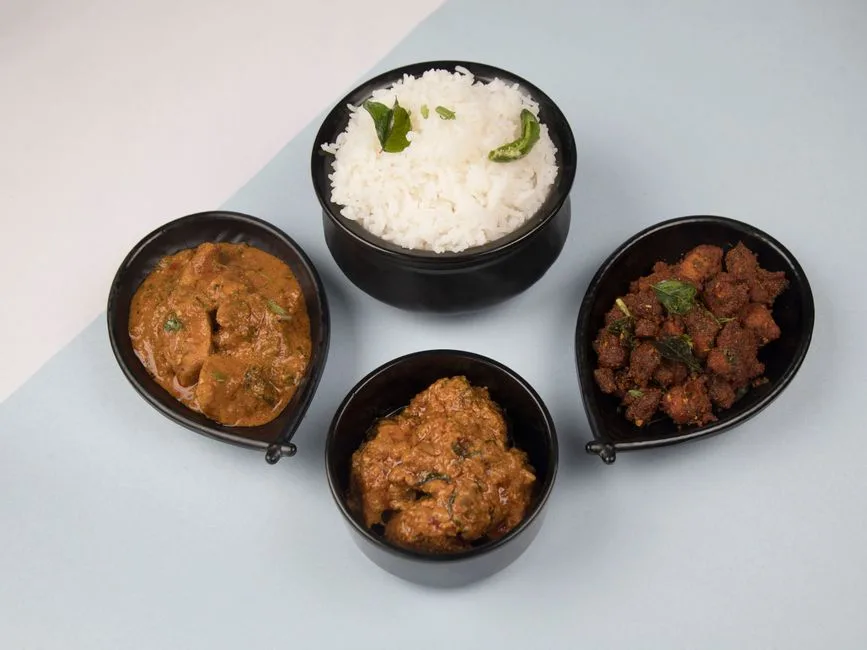
Yes, white rice is a good post workout carb. It digests fast, raises blood sugar quickly, and gives your muscles a fast supply of glucose to rebuild glycogen.
Glycogen is the stored form of carbohydrate in your muscles and liver. Hard training uses it up.
After exercise, your body wants to refill it, and carbs that digest quickly can help with that job.
Why does digestion speed matter after a workout?
After training, blood flow to your muscles is higher than normal. This is sometimes called the anabolic window, though how strict that window really is has become a debated topic.
During this time, your muscles are primed to pull in glucose and store it as glycogen. A carb that digests fast gets glucose into your blood sooner, which may line up well with this window.
White rice has had its bran and germ removed. This strips out most of the fiber, which is why it digests faster than brown rice.
Less fiber means less slowing down of digestion. For a post workout meal, that speed can be useful.
What makes white rice different from brown rice here?
- White rice: low fiber, digests fast, quick rise in blood sugar
- Brown rice: more fiber, digests slower, gentler rise in blood sugar
- White rice: easier on the stomach right after intense exercise
- Brown rice: more micronutrients like magnesium and B vitamins
- White rice: pairs well with protein for a simple recovery meal
Brown rice is generally the more nutrient dense choice for everyday meals. But right after a workout, when your gut may be more sensitive and speed matters, white rice can be the more practical pick.
Does white rice help refill glycogen better than other carbs?
Carbohydrate is the main fuel your body uses to restock glycogen after exercise.
Research on how carbohydrate and fat metabolism interact during exercise shows that carb availability directly affects how your body uses fuel during and after a session[2].
This supports the general idea that eating carbs after training, rather than skipping them, helps restore what was used during exercise.
White rice fits this need well because it is almost entirely carbohydrate with very little fat or fiber getting in the way.
There is not strong direct research comparing white rice specifically against other carb sources for glycogen refill in humans.
Much of the reasoning here comes from general principles of carbohydrate digestion and glycogen biology, not head to head trials on rice itself.
Does stress or heat change how well this works?
Hard training, especially in heat, puts stress on the body's cells.
One study on L-theanine found that heat stress can disrupt carbohydrate and lipid metabolism, partly through a protein called heat shock factor 1[1].
This research was not done on rice or on post workout meals directly.
It does suggest that the environment you train in, like heat, can affect how your body handles carbs afterward, which is a reminder that recovery nutrition does not happen in a vacuum.
How should you eat white rice after a workout?
There is no single required amount, and needs vary by body size, training intensity, and goals. Many athletes simply add a serving of white rice to a meal that also includes a protein source.
- White rice with grilled chicken or fish
- White rice with eggs and vegetables
- White rice with tofu or beans for a plant based option
- White rice with a source of healthy fat kept small, since fat slows digestion
Keeping the meal relatively low in fat and fiber right after training can help it digest faster. Saving fiber rich sides or fats like avocado for later meals is a common approach among athletes.
Rice, including white rice, tends to absorb inorganic arsenic from soil and water more than most other grains[4].
Eating rice often as a recovery carb is likely fine for most active people, but arsenic exposure from rice has been linked to a higher risk of cardiovascular disease over the long term[3].
Rinsing rice well and varying your post workout carb choices with options like oats or potatoes can help lower total exposure, which matters most for frequent daily rice eaters and for infants fed rice based foods[5].
Rice bran, the outer layer removed during milling, contains inorganic arsenic at levels roughly ten times higher than the milled grain itself[6].
Since white rice has this bran stripped away, it likely carries less arsenic than brown rice or bran added products, another small point in its favor for frequent post workout use.
Farming practices also matter, since water management and soil treatments like sulfur application can change how much arsenic ends up in the grain[7], and some soil bacteria strategies are being studied to lower arsenic uptake in rice plants while still boosting yield[8].
Frequently asked questions
Is white rice better than brown rice after a workout?
For speed of digestion, white rice may have an edge because it has less fiber. Brown rice still works fine and offers more nutrients, so either can be a reasonable choice depending on your priorities.
How much white rice should I eat after training?
There is no fixed amount that applies to everyone. Portion depends on your body size, workout intensity, and overall daily carbohydrate needs.
Can white rice alone help muscle recovery?
White rice mainly supplies carbohydrate to help refill glycogen. Pairing it with a protein source is generally recommended to support muscle repair as well.
Put this to work in your own food log. Track it free with Ration →
Sources
- L-Theanine attenuates heat stress-induced proteotoxicity and alterations in carbohydrate and lipid metabolism via heat shock factor 1 · PMID 37338809
- New insights into the interaction of carbohydrate and fat metabolism during exercise · PMID 24791920
- Association Between Arsenic Exposure and Cardiovascular Disease · PMID 32941260
- Inorganic arsenic toxicity and alleviation strategies in rice · PMID 33418521
- Arsenic Concentrations and Dietary Exposure in Rice-Based Infant Food in Australia · PMID 31936289
- Inorganic arsenic in rice bran and its products are an order of magnitude higher than in bulk grain · PMID 18939599
- Arsenic transfer and accumulation in the soil-rice system with sulfur application and different water managements · PMID 33143891
- Improved grain yield and lowered arsenic accumulation in rice plants by inoculation with arsenite-oxidizing Achromobacter xylosoxidans GD03 · PMID 32889310