Cadmium in Chocolate and Leafy Greens: How Worried Should You Be?
Key takeaways
- Dark chocolate and cocoa powder often contain measurable cadmium, a heavy metal that builds up in the body over time.[1][2]
- Cadmium comes from the soil cacao trees grow in, so it ends up in chocolate even when nothing goes wrong in processing.[1]
- Leafy greens like spinach also absorb cadmium from soil, but most people get more cadmium from cocoa products and rice than from vegetables.
- Eating a variety of foods and choosing lower cadmium chocolate brands can help keep your total exposure low.
What is cadmium and why is it in food?
Cadmium is a heavy metal found naturally in soil, water, and rock.
Plants take up cadmium through their roots as they grow.
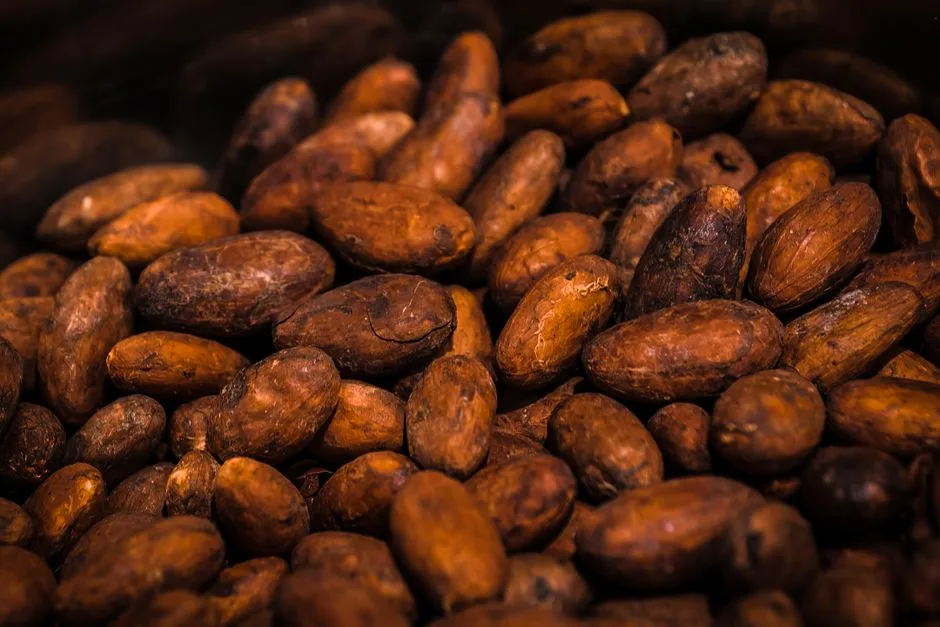
Cacao trees are especially good at pulling cadmium from soil and storing it in the beans used to make cocoa and chocolate.[1][2]
Leafy vegetables like spinach, lettuce, and kale also absorb cadmium from soil more easily than many other crops.
This means cadmium in food is not usually a sign of pollution or contamination in a factory.
It is mostly a natural result of how certain plants grow.
Why does cadmium matter for health?
Cadmium is not an essential nutrient, so your body has no use for it.
Once absorbed, cadmium is stored mainly in the kidneys and liver.
It leaves the body very slowly, with a half-life that can stretch for decades.
This slow clearance means cadmium can build up over a lifetime of small exposures.
Long-term, high-level cadmium exposure has been linked to kidney damage and bone weakening in research on other populations and exposure sources.
Health agencies treat cadmium as a contaminant to minimize rather than something with a completely safe threshold.
How much cadmium is actually in chocolate?
Studies from around the world have measured cadmium in cocoa powder and chocolate bars.
A US market survey found cadmium in most cocoa powders and dark chocolate products tested, with levels varying widely by brand.[4]
A larger multi-year analysis of dark chocolate and cocoa products sold in the US found that many samples exceeded reference levels used for exposure comparisons, especially in darker, higher cocoa content bars.[7]
Research from Japan also found detectable cadmium in commercial chocolate and cocoa powder, though levels stayed within that country's food safety limits.[3]
Laboratory studies using different detection methods, including ICP-MS and voltammetry, consistently confirm cadmium and sometimes lead in chocolate products.[5][6]
Older trace element research on cocoa solids found cadmium alongside other minerals naturally concentrated in the cacao bean.[8]
A review of the evidence concluded that cadmium levels tend to rise with the percentage of cocoa in a product, so darker chocolate generally carries more cadmium than milk chocolate.[1]
Does this mean chocolate is unsafe?
Having cadmium in chocolate does not automatically mean a product is dangerous to eat.
Risk depends on the amount of cadmium, how often you eat the food, and your total diet.
A review focused on cocoa producing regions raised concern that some cacao growing soils have naturally high cadmium, which threatens both consumer safety and the economic future of cocoa farming communities.[2]
Occasional servings of dark chocolate are unlikely to push most people over recommended cadmium intake limits.
People who eat dark chocolate daily in large amounts, especially very high cocoa percentage bars, may be more likely to approach or exceed those limits.[7]
Children may be more sensitive to cadmium exposure relative to their body weight, which is worth keeping in mind with cocoa treats.[1]
Not all the cadmium measured in chocolate actually gets absorbed by the body during digestion.
A Belgian study using bioaccessibility testing found that only a portion of the cadmium in cacao products is released and available for absorption in the gut, meaning total cadmium content in a lab test can overstate real world exposure.[9] Similar gastric bioaccessibility testing on cacao grown near oil producing regions in Ecuador found that soil contamination raised cadmium levels in the beans, but again only part of that cadmium was bioaccessible after simulated digestion.[10]
What about leafy greens?
Leafy greens like spinach and lettuce can also contain cadmium picked up from soil.
However, leafy greens are usually eaten in smaller total gram amounts per serving compared to how much cocoa or chocolate someone might eat over a week.
Leafy greens also bring fiber, vitamin K, folate, and antioxidants that support overall health.
For most people, the well established benefits of eating vegetables outweigh the theoretical cadmium risk.
Rotating leafy greens with other vegetables, rather than eating the same type daily in very large amounts, is a reasonable way to spread out exposure to any single source.
What should you actually do?
- Enjoy dark chocolate and cocoa as an occasional treat rather than a daily large-quantity habit.
- Choose chocolate brands that publish third-party heavy metal testing results when available.
- Mix milk chocolate and dark chocolate rather than only eating very high cocoa percentage bars every day.
- Vary your leafy greens across spinach, kale, romaine, and other vegetables instead of relying on one type daily.
- Eat a generally varied diet, since variety naturally limits how much of any single contaminant you accumulate from one food.
- Keep portion sizes of cocoa powder used in baking or smoothies moderate rather than very large.
- Talk with a doctor if you have kidney disease, since the kidneys are the organ most affected by cadmium buildup.
Who should be more cautious?
Pregnant people may want to be extra mindful of cadmium exposure, since heavy metals can cross into fetal circulation.
Young children who eat a lot of chocolate relative to their body weight may get a higher relative cadmium dose.[1]
People with existing kidney disease may want to limit high cadmium foods, since their kidneys already have reduced capacity to handle waste and toxins.
People who eat dark chocolate or cocoa products every single day, especially very high cocoa percentage bars, may want to moderate their intake based on the higher levels found in some market surveys.[7][4]
Most other healthy adults eating chocolate occasionally are unlikely to need to change their habits based on current evidence.
Frequently asked questions
Does all dark chocolate contain cadmium?
Most dark chocolate and cocoa powder tested in studies contains at least a small amount of cadmium, since cacao trees naturally absorb it from soil.[1][4]
Is milk chocolate safer than dark chocolate for cadmium?
Milk chocolate generally has less cocoa solids per serving, so it tends to carry less cadmium than dark chocolate with a high cocoa percentage.[1]
Can washing or cooking leafy greens remove cadmium?
Washing removes surface dirt but cannot remove cadmium that the plant has already absorbed into its tissue, so variety in your vegetable choices matters more than washing technique.
Put this to work in your own food log. Track it free with Ration →
Sources
- Perspective on Cadmium and Lead in Cocoa and Chocolate · PMID 32293881
- Cocoa-laden cadmium threatens human health and cacao economy: A critical view · PMID 32146410
- Surveillance of Cadmium Concentration in Chocolate and Cocoa Powder Products Distributed in Japan · PMID 30626784
- Cadmium and lead in cocoa powder and chocolate products in the US Market · PMID 29310543
- Simultaneous determination of cadmium, lead and copper in chocolate samples by square wave anodic stripping voltammetry · PMID 33493080
- Toxic metal levels in cocoa powder and chocolate by ICP-MS method after microwave-assisted digestion · PMID 29287336
- A multi-year heavy metal analysis of 72 dark chocolate and cocoa products in the USA · PMID 39144282
- Trace elements in cocoa solids and chocolate: an ICPMS study · PMID 24401377
- The contribution of cacao consumption to the bioaccessible dietary cadmium exposure in the Belgian population · PMID 36610473
- Cadmium bioaccumulation and gastric bioaccessibility in cacao: A field study in areas impacted by oil activities in Ecuador · PMID 28781181