Do Carotenoids Like Lycopene and Beta-Carotene Help Prevent Cancer?
Key takeaways
- Carotenoids are pigments in colorful fruits and vegetables, including lycopene, beta-carotene, and alpha-carotene.
- Diets rich in carotenoid foods are linked to lower risk of several cancers, including prostate, breast, lung, and colorectal cancer.[1][7]
- High-dose beta-carotene supplements have shown null or harmful effects in some trials, especially in smokers.[1]
- Eating whole foods rich in carotenoids appears safer and more useful than taking isolated supplements.
What are carotenoids?
Carotenoids are natural pigments made by plants.
They give fruits and vegetables their red, orange, and yellow colors.
Tomatoes get their red color from lycopene.
Carrots and sweet potatoes get their orange color from beta-carotene.
Some carotenoids, like beta-carotene and alpha-carotene, can turn into vitamin A in the body.
These are called provitamin A carotenoids.
Vitamin A itself belongs to a family of compounds called retinoids.
Retinoids control how genes turn on and off by binding to receptors in cells called retinoic acid receptors and retinoid X receptors.[1]
Why do carotenoids matter for cancer risk?
Cancer starts when cells grow out of control.
Diet is one of the biggest factors we can change to affect cancer risk.[1]
Carotenoids have drawn attention because they act on many of the biological steps that lead to cancer.
Large population studies link diets high in carotenoids to lower rates of several cancers.[1]
These include prostate cancer, breast cancer, lung cancer, colorectal cancer, and gastric cancer.[1]
An Italian case-control study found that higher intake of total carotenoids was tied to lower colorectal cancer risk.[7]
Earlier research on colon cancer also pointed to a protective link with carotenoid-rich diets.[3]
How might carotenoids protect cells?
Carotenoids act as antioxidants.
They neutralize unstable molecules called free radicals before those molecules can damage DNA.[1]
Lycopene has especially strong antioxidant power among the carotenoids.[1]
Carotenoids also switch on a protective pathway called Nrf2, which boosts the body's own antioxidant defenses.[1]
They can calm inflammation by blocking a signal called NF-kB.[1]
They may slow the growth of abnormal cells by affecting pathways called STAT3, Akt/mTOR, and MAPK.[1]
Some carotenoids appear to limit angiogenesis, the process where tumors grow new blood vessels to feed themselves.[1]
Retinoids work differently.
They bind directly to nuclear receptors and push abnormal cells to mature into normal, specialized cells.[1]
This is called differentiation therapy.
It has been used successfully to treat a type of blood cancer called acute promyelocytic leukemia.[1]
Newer research also looks at epigenetics, meaning how carotenoids and retinoids may change which genes are turned on without changing the DNA itself.[1]
This includes effects on DNA methylation, histone modification, and small molecules called microRNAs.[1]
What does the evidence actually show?
The evidence splits into two very different pictures.
Diets naturally high in carotenoid-rich foods are consistently linked with lower cancer risk in observational studies.[1][7]
Serum studies measuring carotenoid levels in the blood have found lower levels in women with breast cancer compared to healthy women.[8]
Research on prostate cancer has also supported a protective role for lycopene and related compounds from food.[5]
A compound called beta-cryptoxanthin, found in citrus fruits, shows similar cancer-fighting mechanisms in animal studies alongside lycopene.[6]
But the picture changes with high-dose supplements.
Randomized trials giving isolated, high-dose beta-carotene supplements to smokers found no benefit, and some showed increased lung cancer risk.[1]
This is a major reason researchers now separate whole-food carotenoid intake from supplement use when discussing cancer prevention.[1]
Vitamin A status also matters for cancer survival, not just prevention.
A meta-analysis found links between vitamin A levels and survival outcomes in women with breast cancer.[4]
Overall, the strongest and safest signal points toward eating a variety of carotenoid-rich foods rather than relying on concentrated supplements.[1]
What should you actually eat?
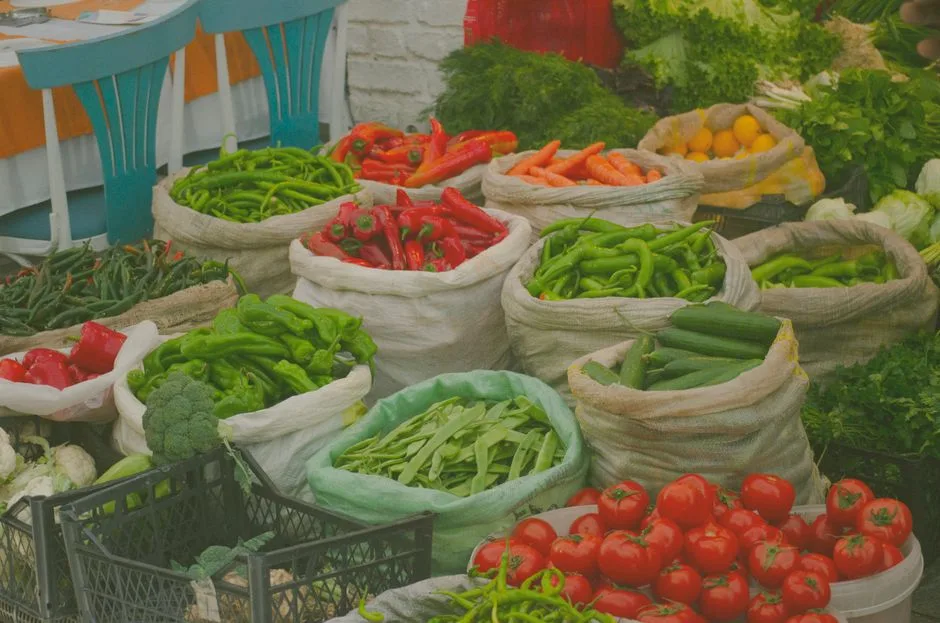
The most practical approach is to build meals around colorful produce.
- Tomatoes and tomato sauce for lycopene, especially when cooked in a little olive oil, which helps absorption
- Watermelon and pink grapefruit for additional lycopene
- Carrots, sweet potatoes, and pumpkin for beta-carotene
- Spinach, kale, and other leafy greens for alpha-carotene and lutein
- Red and orange bell peppers for a mix of carotenoids
- Oranges, tangerines, and persimmons for beta-cryptoxanthin
Aim for a variety of colors on the plate rather than focusing on just one food.
Carotenoids are fat soluble, so pairing them with a source of fat, like olive oil, nuts, or avocado, can help the body absorb them.
Cooking tomatoes actually increases the amount of usable lycopene compared to eating them raw.
Try to get carotenoids from whole foods rather than high-dose isolated supplements, based on how the evidence has played out in trials.[1]
This is especially worth keeping in mind if you smoke, since high-dose beta-carotene supplements have shown harm in this group specifically.[1]
Getting enough vitamin A and other key nutrients also matters more after menopause, when nutrient needs and deficiency risks shift.[2]
A varied diet with fruits, vegetables, whole grains, and lean protein remains the foundation for lowering long-term cancer risk.
Who might benefit most?
Anyone can benefit from eating more carotenoid-rich fruits and vegetables as part of general cancer risk reduction.
- People looking to lower their long-term risk of prostate, breast, colorectal, lung, or gastric cancer[1][7]
- Postmenopausal women, who may have added nutrient needs[2]
- People who currently eat few fruits and vegetables and have room to add more color to meals
- People interested in supporting the body's natural antioxidant and anti-inflammatory defenses[1]
People who smoke should be cautious specifically about high-dose beta-carotene supplements rather than food sources.[1]
Anyone with a cancer diagnosis or family history should talk with their care team before making major changes or considering supplements.
Frequently asked questions
Does lycopene cure or prevent cancer on its own?
No single nutrient prevents or cures cancer by itself. Lycopene shows promising links to lower risk of some cancers in food-based studies, but it works alongside overall diet, genetics, and lifestyle.[1]
Are beta-carotene supplements safe?
High-dose beta-carotene supplements have shown no benefit and possible harm in some trials, particularly in people who smoke.[1] Getting carotenoids from food appears to be the safer approach.
Put this to work in your own food log. Track it free with Ration →
Sources
- Lycopene, Carotenoids, and Retinoids in Cancer Chemoprevention: Molecular Mechanisms and Clinical Implications · PMID 42514387
- A systematic review on the impact of nutrition and possible supplementation on the deficiency of vitamin complexes, iron, omega-3-fatty acids, and lycopene in relation to increased morbidity in women after menopause · PMID 38935105
- Carotenoids and colon cancer · PMID 10648274
- Vitamin A and Breast Cancer Survival: A Systematic Review and Meta-analysis · PMID 30190194
- Vitamin A, retinoids and carotenoids as chemopreventive agents for prostate cancer · PMID 14713755
- Mechanistic understanding of β-cryptoxanthin and lycopene in cancer prevention in animal models · PMID 32035228
- Intake of total and selected carotenoids and colorectal cancer risk: An Italian case-control study · PMID 40962850
- Serum carotenoids and breast cancer · PMID 11415946