Choline: What It Is, Why You Need It, and Where to Get It
Key takeaways
- Choline supports liver function, brain health, and healthy pregnancies, but most adults fall short of getting enough[2].
- Low choline during pregnancy may change how a baby's liver develops and responds to diet later in life, according to animal research[1].
- Choline is found in eggs, meat, fish, and some beans and grains.
- Older adults, pregnant people, and those who avoid animal foods may need to pay closer attention to choline intake[3][4].
What is choline?
Choline is a nutrient your body needs every day.
It works with B vitamins in your body.
Your liver makes a small amount of choline on its own.
That small amount is not enough.
You need to get the rest from food[9].
Choline helps build cell membranes.
It also helps make a brain chemical called acetylcholine.
Acetylcholine helps with memory, mood, and muscle control.
Choline also helps move fat out of your liver.
Without enough choline, fat can build up in the liver instead[1].
Why does choline matter so much?
Choline touches many systems in the body at once.
The liver needs it to package and export fat.
When choline is low, fat can pool inside liver cells.
This condition is called steatotic liver disease, or fatty liver.
A recent animal study found that low maternal choline during pregnancy changed how offspring's livers handled a high-fat, high-sugar diet later on[1].
In that study, protein restriction alone during pregnancy did not cause fatty liver in offspring.
But when choline was also restricted, offspring developed fatty liver, along with signs of inflammation and stress inside liver cells[1].
This suggests choline status may shape how the body responds to a poor diet later in life.
Choline is also important for brain health across the lifespan.
Higher choline intake has been linked to better memory and thinking skills in older adults[4].
Some research also links higher choline intake to lower risk of Alzheimer's dementia[5].
Eggs, a major choline source, have also been linked to lower Alzheimer's risk in older adults[7].
Choline may also play a role in mental health, with some studies linking choline and betaine intake to mood and psychological well-being[8].
How does choline work in the body?
Choline has a few different jobs depending on where it goes.
In the brain, it turns into acetylcholine.
Acetylcholine is a neurotransmitter.
It carries signals between nerve cells.
This matters for memory, focus, and muscle movement.
In the liver, choline becomes part of a molecule called phosphatidylcholine.
Phosphatidylcholine helps wrap fat into particles called VLDL.
These particles carry fat out of the liver and into the bloodstream.
Without enough phosphatidylcholine, fat gets stuck in the liver instead of leaving it.
Choline also feeds into a process called methylation.
Methylation turns genes on and off.
This is one reason choline during pregnancy may affect a baby's development, including how genes for fat metabolism get set up[1][3].
What does the evidence show?
Much of the strongest evidence on choline comes from studies on pregnancy and early development.
A 2025 review found choline plays a key role in fetal brain and liver development, and that many pregnant people do not meet recommended intakes[3].
Animal research backs this up.
In one study, mouse pups from mothers with low choline and low protein diets developed fatty liver when later fed a high-fat, high-sugar diet[1].
Pups from mothers with only low protein, and normal choline, did not develop fatty liver[1].
This points to choline as a key piece of the puzzle, not just protein alone.
Choline research also extends to brain aging.
One study of older U.S. adults found higher choline intake linked with better performance on memory and thinking tests[4].
Another study found people with higher dietary choline had a lower risk of developing Alzheimer's dementia over time[5].
Choline may matter for other groups too.
In adults with the genetic condition phenylketonuria, higher choline intake was linked to better working memory[6].
Across Europe, average choline intake tends to fall below recommended levels, especially among women[2].
A 2025 randomized controlled trial found that following a Mediterranean diet, which naturally includes choline-rich foods like eggs, fish, and legumes, improved metabolic flexibility and was linked with better cognitive performance in the interim analysis[12].
Metabolic flexibility describes how well the body switches between burning carbs and fat for fuel, and poor flexibility has been tied to brain aging.
These early findings suggest that choline-rich dietary patterns, not just single nutrients, may support brain health through their combined effects on metabolism[12].
Choline's role in one-carbon metabolism, the same chemical pathway involved in methylation, may also connect to cancer risk.[13] A nested case-control study within the large EPIC cohort looked at nutrients involved in one-carbon metabolism, including choline, folate, and betaine, alongside genetic risk scores for breast cancer.[13] The study found that intake of these nutrients interacted with genetic risk in ways that were linked to breast cancer risk, suggesting choline's effects on gene activity may matter beyond pregnancy and liver health.[13]
What should you eat for choline?
You can get choline from a normal, varied diet.
Animal foods tend to have the most choline per serving.
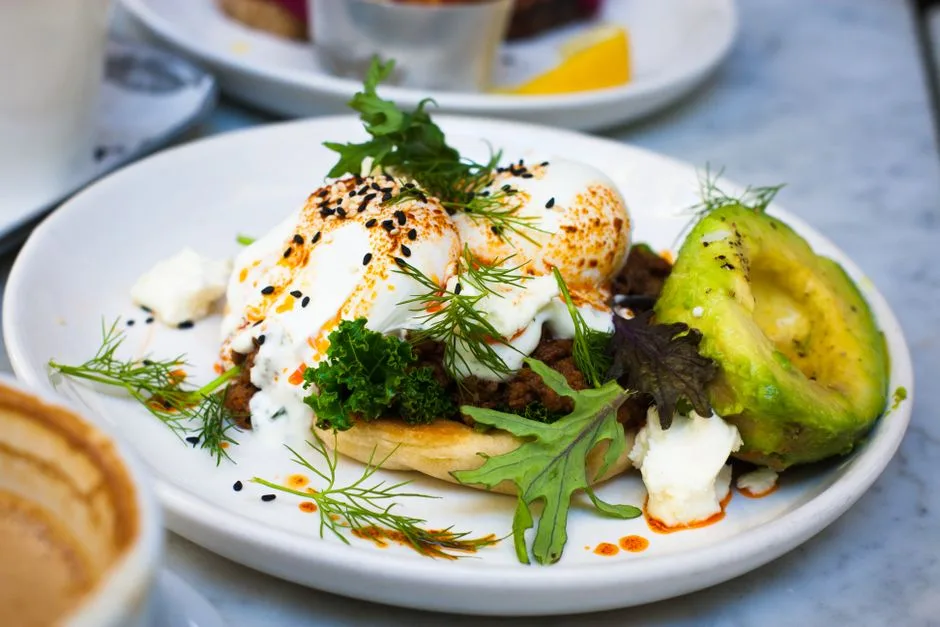
- Eggs, especially the yolk
- Beef liver and other organ meats
- Chicken and turkey
- Fish such as salmon and cod
- Dairy products like milk and yogurt
- Soybeans and tofu
- Beans and lentils
- Cruciferous vegetables like broccoli and Brussels sprouts
- Nuts and seeds like quinoa and peanuts
A few practical steps can help you meet your choline needs.
- Include eggs a few times a week if you eat them, since they are one of the richest common sources
- Add fish or poultry to meals a few times a week
- Choose soy foods or legumes often if you eat mostly plants
- Pair choline-rich foods with folate-rich vegetables, since the two nutrients work together in methylation
- Talk with a doctor about choline needs during pregnancy or breastfeeding, since needs rise during these times[3]
People who eat little or no animal foods may need to plan more carefully.
Soy, beans, and cruciferous vegetables can help close some of the gap.
Food scientists are also finding new ways to boost choline intake through everyday staples.
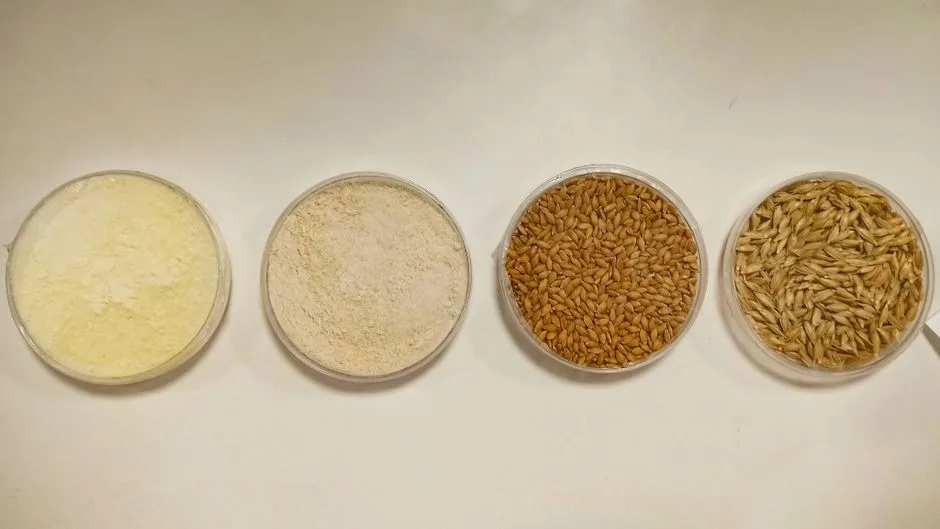
In one study, adding lentil hulls and tritordeum flour to traditional taralli, a type of baked snack, raised the nutritional profile of the food while keeping its taste and texture acceptable to tasters[11].
This kind of fortification approach shows how legume byproducts like lentil hulls can help add nutrients, including choline sources, to common baked snacks.
Who needs to pay extra attention to choline?
- Pregnant and breastfeeding people, since choline supports fetal brain and liver development[3]
- Older adults, since choline intake has been linked to memory and dementia risk[4][5]
- People following vegan or largely plant-based diets, since plant foods generally contain less choline
- People with phenylketonuria on restricted diets, where choline intake may affect memory[6]
- People with a family history of fatty liver disease, given choline's role in liver fat transport[1]
Is it safe to get more choline?
Choline from food is considered safe for most people.
Very high intakes from supplements can cause side effects like a fishy body odor, low blood pressure, or stomach upset.
There is no need to aim for extreme amounts.
Getting choline through everyday foods is the simplest and safest approach for most people[9].
Anyone with liver disease, pregnancy concerns, or a specific medical condition should talk with a doctor before making major diet changes.
Choline metabolism also involves gut bacteria, which convert some choline into a compound called trimethylamine N-oxide, or TMAO.[10] A recent study found that higher TMAO levels can promote atrial fibrillation, an irregular heart rhythm, by disrupting nerve signals that control heart rate.[10] This adds another reason to get choline mainly from a balanced diet rather than large supplement doses, since gut conversion to TMAO may carry risks for heart health.
Frequently asked questions
What foods are highest in choline?
Egg yolks, liver, fish, poultry, and soybeans are among the richest sources of choline.
Put this to work in your own food log. Track it free with Ration →
Sources
- Choline insufficiency in mothers during gestation abolishes the metabolically restrained hepatic phenotype induced by gestational protein restriction and promotes hepatic steatosis in offspring · PMID 42486238
- Dietary choline intake in European and non-european populations: current status and future trends-a narrative review · PMID 38943150
- Choline in Pregnancy and Lactation: Essential Knowledge for Clinical Practice · PMID 40362867
- Choline Intake and Cognitive Function Among U.S. Older Adults · PMID 36803181
- Dietary Choline Intake and Risk of Alzheimer's Dementia in Older Adults · PMID 40447055
- Total choline intake and working memory performance in adults with phenylketonuria · PMID 37516884
- Association of Egg Intake With Alzheimer's Dementia Risk in Older Adults: The Rush Memory and Aging Project · PMID 38782209
- Dietary choline and betaine intake in relation to psychological disorders in adults · PMID 40538054
- Choline: an essential nutrient for public health · PMID 19906248
- Gut microbial trimethylamine N-oxide generation promotes risk of atrial fibrillation via muscarinic receptor-mediated autonomic dysfunction · PMID 42497006
- Functional enhancement of traditional taralli through lentil hulls and tritordeum flour integration: nutritional, metabolomic, and sensory insights · PMID 42502865
- Enhanced metabolic flexibility links Mediterranean diet with cognition: interim findings from a randomized controlled trial · PMID 42504863
- One-carbon metabolism nutrients and polygenic risk scores in relation to breast cancer risk: A nested case-control study within the EPIC cohort · PMID 42520943