Flavonoids: Benefits, Food Sources, and How to Get More
Key takeaways
- Flavonoids are natural compounds found in fruits, vegetables, tea, and cocoa that act as antioxidants and help lower inflammation.
- A large UK Biobank study found moderate flavone intake was linked to a lower risk of psoriasis, even in people with high genetic risk.[1]
- Flavonoids are grouped into subclasses like flavones, flavonols, flavan-3-ols, anthocyanins, and flavanones, each found in different foods.
- Eating a variety of colorful plant foods is the simplest way to get a broad mix of flavonoids.
What are flavonoids?
Flavonoids are a large family of plant compounds called polyphenols.
Plants make flavonoids to protect themselves from sun damage, pests, and infection.
When you eat plants, these compounds may help protect your body in similar ways.
Flavonoids are not vitamins or minerals, so there is no official daily requirement for them.
Still, decades of research link diets rich in flavonoids to better long term health.
What are the main types of flavonoids?
Flavonoids are grouped into subclasses based on their chemical structure.
- Flavones, found in parsley, celery, and some peppers
- Flavonols, found in onions, kale, and broccoli
- Flavan-3-ols, found in tea, cocoa, and apples
- Anthocyanins, found in berries, cherries, and purple grapes
- Flavanones, found in citrus fruits like oranges and grapefruit
- Isoflavones, found in soybeans and soy foods
Each subclass has its own set of studied effects, though they often overlap.
Why do flavonoids matter for health?
Flavonoids act mainly as antioxidants.
Antioxidants help neutralize unstable molecules called free radicals.
Too many free radicals can damage cells and drive chronic inflammation.
Chronic inflammation is linked to many long term conditions, including heart disease, diabetes, and skin disorders like psoriasis.
Flavonoids may also support the lining of blood vessels, helping them relax and improve blood flow.
Some flavonoids may also help regulate the immune system, which plays a role in autoimmune and inflammatory skin conditions.
What does the research show?
Many studies link flavonoid rich diets to lower rates of heart disease and stroke.
Flavonoids from tea, berries, and citrus fruits have been studied most often for heart health.
Newer research is looking at flavonoids and skin health, including psoriasis.
Psoriasis is a chronic inflammatory skin disease that causes red, scaly patches and can lower quality of life.
A large prospective study followed over 121,000 adults in the UK Biobank for more than 11 years.
Researchers tracked their intake of total flavonoids and five subclasses using repeated diet surveys.[1]
People with moderate flavone intake, around 0.6 to 1.5 milligrams a day, had a 34 percent lower risk of developing psoriasis compared to those with the lowest intake.[1]
This lower risk showed up even among people with a high genetic risk score for psoriasis.[1]
The link was not a straight line, meaning more flavones did not keep lowering risk beyond a certain point.[1]
The researchers noted that flavone intake in this study was very low overall, and flavones tend to appear alongside other healthy nutrients in the diet.[1]
Because of this, the effect may reflect general diet quality rather than flavones acting alone.[1]
This was an observational study, so it cannot prove that flavones cause a lower risk of psoriasis.
Still, it adds to evidence that plant compounds may play a role in skin inflammation, alongside their known roles in heart and brain health.
What foods are high in flavonoids?
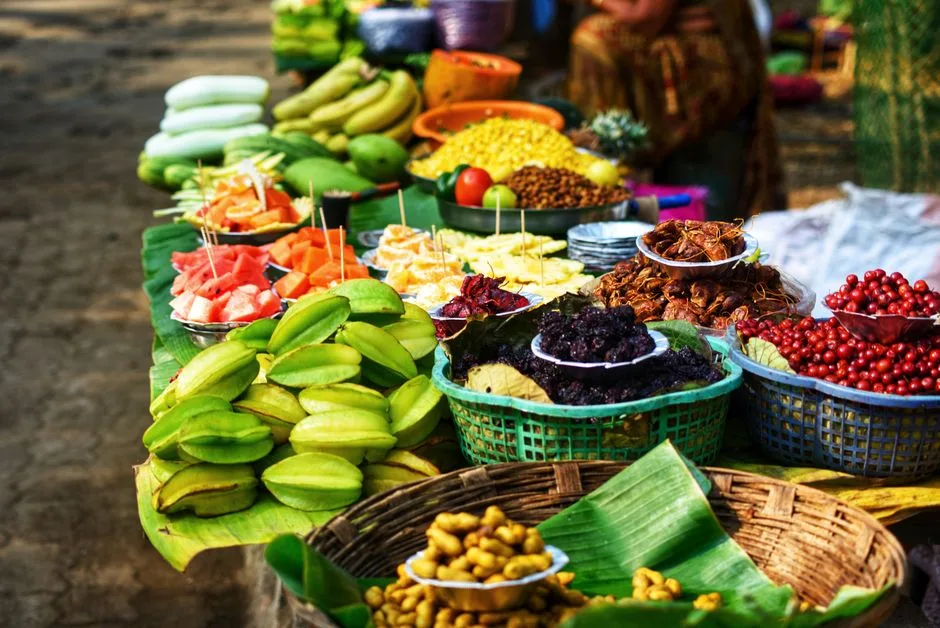
You can get flavonoids from a wide range of everyday foods.
- Berries, such as blueberries, blackberries, and strawberries
- Citrus fruits, such as oranges, lemons, and grapefruit
- Leafy greens and vegetables, such as kale, spinach, and onions
- Herbs, such as parsley and celery, which are rich in flavones
- Tea, both green and black
- Cocoa and dark chocolate
- Red wine and grapes, in moderation
- Soy foods, such as tofu and edamame
Cooking methods matter, since boiling can wash some flavonoids out of vegetables into the cooking water.
Steaming or eating vegetables raw can help preserve more of their flavonoid content.
The form of a flavonoid in food can change quickly during preparation, which affects how much your body can absorb.
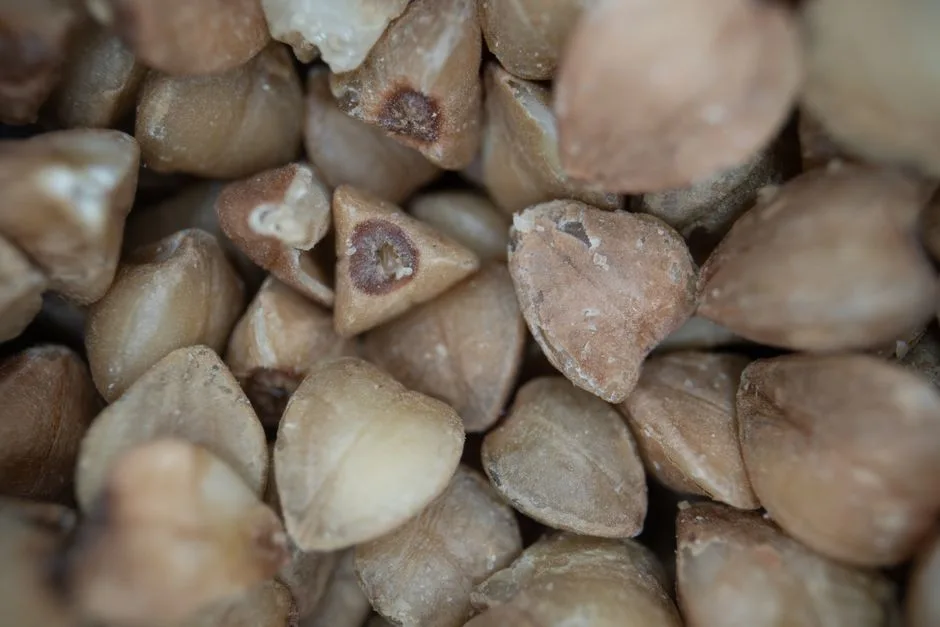
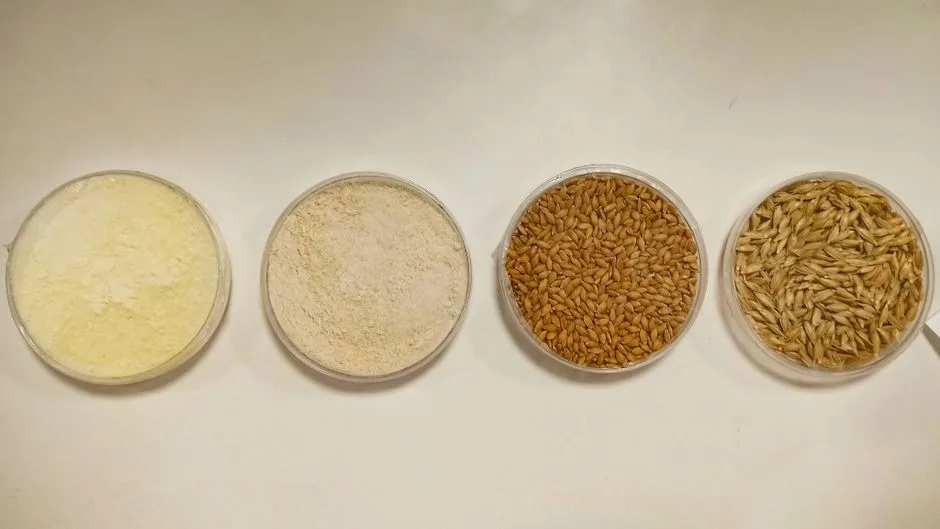
A study on buckwheat dough found that kaempferol 3-O-rutinoside, a flavonol glycoside, breaks down rapidly into other kaempferol compounds once the dough is mixed, thanks to an enzyme called kaempferol 3-O-rutinosidase[2].
This shows that processing and preparation methods can shift the exact type of flavonoid you end up eating, not just the total amount.
What should you actually do?
You do not need supplements to get more flavonoids.
- Aim for at least 5 servings of fruits and vegetables a day, choosing different colors
- Add fresh herbs like parsley or celery to meals for a flavone boost
- Swap sugary drinks for tea, which is rich in flavan-3-ols
- Choose whole citrus fruit over juice to get more fiber along with flavanones
- Include berries with breakfast, such as on oatmeal or yogurt
- Keep onions, garlic, and leafy greens as regular parts of cooking
- Choose dark chocolate with high cocoa content in small amounts, rather than milk chocolate
Focus on the overall pattern of your diet rather than one single food.
A diet rich in whole plant foods naturally supplies a broad mix of flavonoid subclasses.
Who might benefit most?
Anyone can benefit from eating more flavonoid rich foods as part of a balanced diet.
People with a family history of heart disease may benefit from flavonoid rich diets, given the strong evidence in this area.
People with a genetic risk of psoriasis may also benefit, based on early findings linking flavone intake to lower risk even in genetically susceptible people.[1]
People managing chronic inflammation of any kind may find value in a diet built around colorful plant foods.
People with psoriasis or other skin conditions should still work with a doctor or dermatologist, since diet is only one part of managing the condition.
Are flavonoid supplements a good idea?
Most research on flavonoids studies them as part of whole foods, not as isolated supplements.
Whole foods provide fiber, vitamins, and minerals alongside flavonoids, which may work together for health benefits.
There is limited evidence that flavonoid supplements offer the same benefits as food sources.
For now, it makes sense to focus on food first rather than relying on pills or extracts.
Frequently asked questions
Do flavonoids help with skin conditions like psoriasis?
Some early research suggests moderate flavone intake is linked to lower psoriasis risk, even in people with a high genetic risk.[1] This comes from one large observational study, so more research is needed before firm conclusions can be drawn.
What is the best source of flavonoids?
There is no single best source, since different foods provide different flavonoid subclasses. Berries, citrus fruits, tea, leafy greens, and herbs like parsley all provide different types.
Can you get too many flavonoids?
Flavonoids from whole foods are generally considered safe at normal dietary intakes. Very high intakes from concentrated supplements have not been well studied and are not necessary for most people.
Put this to work in your own food log. Track it free with Ration →