Are Flavonoids Good for Your Heart and Blood Vessels?
Key takeaways
- Flavonoids are plant compounds found in fruits, vegetables, tea, and cocoa that support heart and blood vessel health.
- A large study of nearly 190,000 people found that high intake of proanthocyanidins, a type of flavonoid, was linked to a 29% lower risk of abdominal aortic aneurysm[1].
- Flavonoids seem to work partly by lowering inflammation and calming immune cells called macrophages inside artery walls[1].
- You can get more flavonoids by eating a variety of colorful plant foods rather than relying on supplements.
What are flavonoids?
Flavonoids are a large family of plant compounds.
They give many fruits and vegetables their color.
Plants make flavonoids to protect themselves from sun damage, insects, and infection.
When you eat plants, you get some of that same protection.
There are several main types of flavonoids.
- Flavonols, found in onions, kale, and tea
- Flavan-3-ols and proanthocyanidins, found in apples, grapes, and cocoa
- Anthocyanins, found in berries and dark cherries
- Flavanones, found in citrus fruits
- Flavones, found in parsley and celery
- Isoflavones, found in soy foods
Proanthocyanidins are one of the most studied types for heart health.
They are concentrated in grape seeds, apple skins, cinnamon, and cocoa.
Why do flavonoids matter for blood vessels?
Your arteries are living tissue, not simple pipes.
Their walls can weaken over time from inflammation, high blood pressure, and oxidative stress.
One serious result of this weakening is an abdominal aortic aneurysm, or AAA.
This happens when the wall of the body's main artery bulges and can eventually rupture.
AAA often has no symptoms until it becomes dangerous.
Because of this, researchers are very interested in diet patterns that might lower the risk before problems start.
A recent large study looked at whether flavonoid intake was linked to AAA risk[1].
It followed over 188,000 adults from the UK Biobank who did not have AAA at the start.
People who ate the most proanthocyanidins had a 29% lower risk of developing AAA compared to those who ate the least[1].
The researchers estimated that raising proanthocyanidin intake across the population could prevent about 17% of new AAA cases[1].
How might flavonoids protect arteries?
Scientists want to know not just that flavonoids help, but how.
In this study, researchers used blood metabolomics, a method that measures many small molecules in the blood at once[1].
They found a group of 28 metabolites linked to proanthocyanidin intake.
This metabolic signature explained about 15% of the link between proanthocyanidins and lower AAA risk[1].
Many of these metabolites were related to inflammation.
This suggests flavonoids may help by calming inflammatory activity in the body.
The researchers also studied artery tissue at the single cell level.
They found that proanthocyanidins may act on immune cells called macrophages inside the artery wall[1].
Macrophages are cells that normally help clean up damaged tissue, but when overactive they can drive inflammation and damage the artery wall.
The study pointed to a specific pathway in these macrophages called the C-type lectin receptor signaling pathway[1].
A gene called CLEC4E showed the biggest change, suggesting it may be a key target for future prevention strategies[1].
This kind of multi-layered evidence, combining population data, blood chemistry, and cell biology, gives researchers more confidence that the link is real and not just a coincidence.
How much benefit you get from flavonoids may also depend on your gut bacteria, since these microbes break down flavonoids into smaller compounds called metabolites before your body can use them[2].
Research on polyphenol metabolism shows that people differ widely in the metabotypes, or patterns of gut microbial breakdown, they produce from the same flavonoid-rich foods[2].
This means two people eating identical diets could absorb different amounts of active compounds, which may help explain why flavonoid effects vary from person to person and points toward more personalized nutrition advice in the future[2].
What else do flavonoids do for the heart?
Flavonoids have been studied for many aspects of heart and blood vessel health, not just AAA.
- Supporting healthy blood pressure
- Improving blood flow by helping blood vessels relax
- Lowering oxidative stress, which can damage artery walls
- Reducing inflammation markers in the blood
- Supporting healthy cholesterol balance
These effects likely work together rather than through just one pathway.
This fits with the idea that heart disease develops slowly, from many small factors adding up over years.
Flavonoid-related nutrition may also matter for people recovering from long COVID, a condition linked to stiffer arteries and higher cardiovascular risk.
In the BioICOPER study of long COVID patients, higher dietary intake of certain vitamins was associated with lower central and peripheral arterial stiffness, a marker of how well arteries expand and relax with each heartbeat[4].
Since many vitamin-rich foods, like citrus fruits and leafy greens, also supply flavonoids, this adds another reason to think whole plant foods support flexible, healthy arteries during recovery from illness[4].
What foods give you flavonoids?
You do not need supplements to get flavonoids.
Whole foods provide flavonoids along with fiber, vitamins, and other helpful plant compounds called polyphenols.
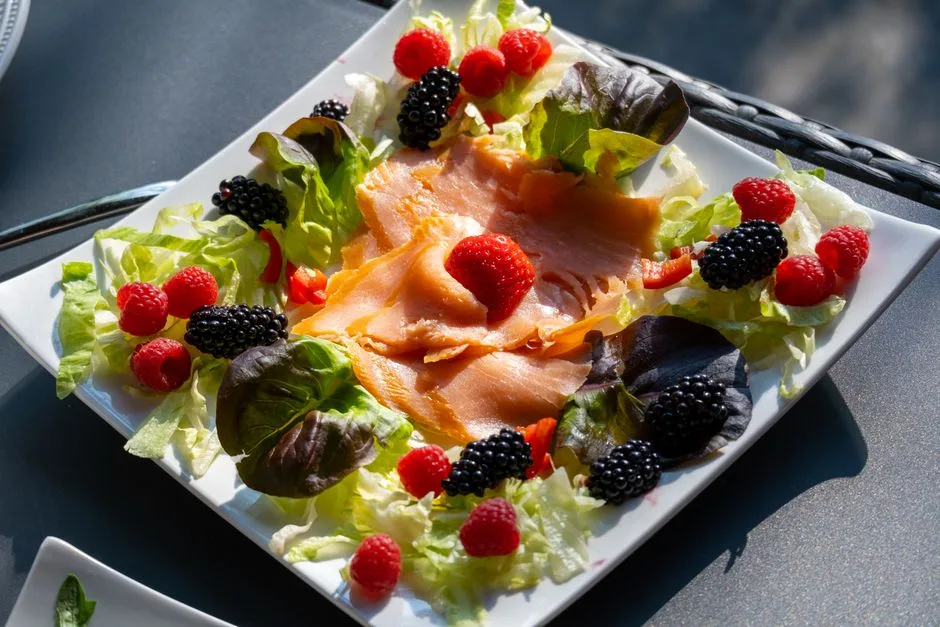
- Berries such as blueberries, strawberries, and blackberries
- Apples, especially the skin
- Grapes and red grape juice
- Cocoa and dark chocolate
- Tea, both green and black
- Onions and shallots
- Citrus fruits like oranges and grapefruit
- Leafy greens like kale and spinach
- Cinnamon
Flavonoid-rich foods beyond the usual berries and cocoa are also being studied for their effect on gut bacteria and metabolic health.
In a rat study, a berry cactus juice concentrate rich in polyphenols and flavonoids improved gut microbiota balance and reduced markers of metabolic syndrome, including high blood sugar and unhealthy cholesterol levels, after a high-fat diet[3].
This adds to evidence that flavonoid-rich plant foods can support heart and metabolic health partly by shaping the gut microbiome[3].
Litchi seeds are another overlooked source of flavonoid-rich polyphenols, and a recent comparison across five litchi cultivars found their seed extracts had strong anti-inflammatory and pain-relieving effects in lab and animal studies[5].
The polyphenol profiles varied a lot between cultivars, which helps explain why some plant foods seem to have stronger effects than others even within the same species[5].
While litchi seeds are not a typical food most people eat directly, this research adds to evidence that flavonoids from many parts of plants, not just the fruit flesh, can support lower inflammation in the body[5].
What should you actually do?
You do not need to track exact flavonoid grams to benefit.
Focus on simple, repeatable habits instead.
- Eat a variety of colors of fruits and vegetables each day
- Choose whole fruit like apples and berries over juice, since fiber is removed in juicing
- Add cinnamon to oatmeal, coffee, or yogurt
- Swap a sugary snack for a small piece of dark chocolate with at least 70% cocoa
- Drink tea instead of sugary drinks a few times a week
- Keep the skins on apples and grapes when possible, since flavonoids are often concentrated there
- Pair these habits with other heart healthy steps, like regular movement and not smoking
These changes are small, but they add up over months and years.
Diet is only one part of protecting your arteries.
Blood pressure control, not smoking, and regular checkups matter just as much, especially for people with a family history of aneurysms.
Who might benefit most?
Flavonoid-rich eating patterns may be especially relevant for certain groups.
- Older adults, since AAA risk rises with age
- People with high blood pressure or a smoking history
- People with a family history of aneurysms or heart disease
- Anyone looking to generally lower inflammation through diet
That said, flavonoid-rich foods are safe and beneficial for nearly everyone as part of a balanced diet.
Are there any downsides or risks?
Whole food sources of flavonoids are generally considered safe.
Problems are more likely with concentrated flavonoid supplements, which can interact with certain medications, including blood thinners.
Because this research is observational, it shows a strong association rather than definite proof that flavonoids alone prevent AAA[1].
More research, including clinical trials, is needed to confirm cause and effect.
Until then, eating more flavonoid-rich whole foods is a low-risk habit with many other known benefits.
Frequently asked questions
What is the best flavonoid for heart health?
No single flavonoid is proven best. Proanthocyanidins, found in grapes, apples, and cocoa, showed a strong link to lower abdominal aortic aneurysm risk in recent research[1].
Can flavonoids reverse an existing aneurysm?
There is no evidence that diet can reverse an aneurysm that has already formed. Flavonoid-rich eating may help lower the risk of developing one in the first place[1].
Do flavonoid supplements work as well as food?
Whole foods provide flavonoids alongside fiber and other plant compounds that may work together. Most research, including this large study, looked at dietary intake rather than supplements[1].
Put this to work in your own food log. Track it free with Ration →
Sources
- Integrative epidemiological analysis, plasma metabolomics, and single-cell RNA sequencing reveal the protective effects and mechanisms of dietary flavonoids against abdominal aortic aneurysm · PMID 42507353
- Gut Microbial Metabotypes Shape Polyphenol Bioactivity: Toward Precision Nutrition Strategies for Human Health · PMID 42514465
- Phytochemical Characterization and Gut Microbiota Modulation by Berry Cactus Juice Concentrate in a High-Fat Diet-Induced Metabolic Syndrome Rat Model · PMID 42527764
- Dietary Vitamin Intake and Central and Peripheral Arterial Stiffness in Patients with Long COVID: The BioICOPER Study · PMID 42514404
- Polyphenols in Litchi (Litchi chinensis Sonn.) Seeds: Comparison of Profiles Among Five Cultivars and Evaluation of Anti-Inflammatory, Analgesic Potentials · PMID 42542841