Herbs for Metabolic Health: Do Mint-Family Herbs Like Sage and Oregano Help With Weight and Belly Fat?
Key takeaways
- Herbs in the Lamiaceae family, including sage, oregano, thyme, mint, and basil, may modestly lower BMI, weight, and waist measurements in people with metabolic syndrome.[1]
- The effects on body fat mass itself are not yet proven, and benefits for blood sugar in diabetes are unclear.[1]
- These herbs work best as a small part of a bigger plan that includes diet, movement, and sleep.
- Metabolic syndrome is a group of conditions that raise your risk of heart disease, stroke, and type 2 diabetes.
What is metabolic syndrome?
Metabolic syndrome is not one disease.
It is a cluster of problems that tend to show up together.
- A large waist size, which signals extra fat around the belly
- High blood pressure
- High blood sugar or insulin resistance
- High triglycerides
- Low HDL, the protective type of cholesterol
Having three or more of these raises your risk of heart disease, stroke, and type 2 diabetes.
Doctors often treat metabolic syndrome with weight loss, exercise, and sometimes medication.
Researchers are also curious about whether specific foods and herbs can support these efforts.
What is the Lamiaceae family?
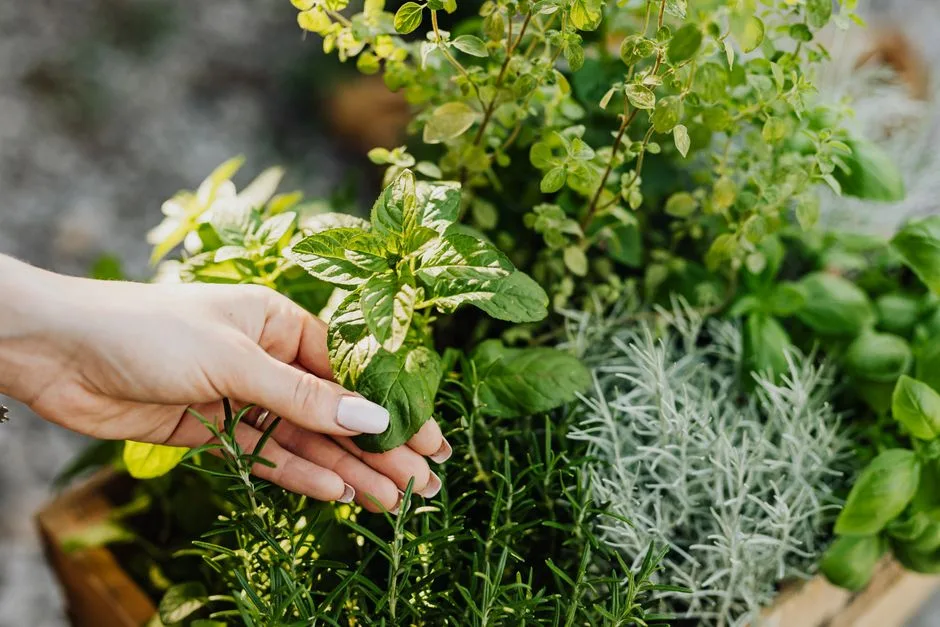
Lamiaceae is a large plant family also called the mint family.
It includes many herbs you likely already have in your kitchen.
- Sage (Salvia)
- Oregano and thyme relatives like Zataria (a Middle Eastern herb similar to thyme)
- Mint
- Basil
- Rosemary
- Lemon balm
These plants have been used in traditional medicine for centuries, often as teas or extracts.
They contain plant compounds called polyphenols, along with essential oils that give them their strong smell and flavor.
Scientists think these compounds may affect how the body handles fat and sugar.
What does the research show?
A 2026 review pooled data from 20 clinical trials with a total of 2,445 people who had metabolic syndrome or related conditions like obesity, type 2 diabetes, or fatty liver disease.[1]
People took Lamiaceae herbs, mostly as supplements or extracts, and were compared against a placebo group.[1]
The review found meaningful drops in body mass index, or BMI, and total body weight.[1]
Waist circumference and waist to hip ratio also improved, which matters because belly fat is closely tied to heart disease risk.[1]
Interestingly, actual body fat mass, measured directly, did not change in a statistically meaningful way.[1]
This means the herbs may shift size and shape more than the amount of fat stored in the body, though better measurement tools are needed to know for sure.[1]
Both short trials of eight weeks or less and longer trials showed BMI improvements, suggesting benefits may start early.[1]
The waist and weight benefits were strongest in people who were already overweight or living with obesity.[1]
When researchers looked at specific herbs, sage and Zataria stood out as the most promising for lowering BMI, and sage alone also helped waist size.[1]
The researchers rated their confidence in the BMI and weight findings as high, and moderate for waist to hip ratio, using a formal grading system called NutriGrade.[1]
Still, evidence for people with type 2 diabetes specifically was too limited to draw firm conclusions.[1]
How might these herbs affect weight?
Scientists have a few ideas about how mint-family herbs might support metabolic health.
- Polyphenols in these herbs may reduce inflammation, which is often elevated in obesity and metabolic syndrome
- Some compounds may improve how cells respond to insulin, the hormone that controls blood sugar
- Certain herbs may support fat metabolism in the liver
- Essential oils in herbs like mint may affect appetite and digestion
- Antioxidant activity may help protect blood vessels from damage linked to high blood sugar and cholesterol
None of these mechanisms are fully confirmed in humans, and most evidence comes from animal or lab studies alongside the human trials.
The exact dose and form of herb used, whether tea, capsule, or extract, likely changes how strong these effects are.
What should you actually do?
Herbs are not a replacement for the basics of metabolic health.
But adding culinary herbs to your routine is low risk and may offer a small extra boost.
- Cook with fresh or dried sage, oregano, thyme, rosemary, mint, or basil regularly instead of relying only on salt for flavor
- Try herbal teas like sage or mint as a lower calorie swap for sugary drinks
- Focus first on proven basics: a diet rich in fiber, vegetables, and lean protein, regular physical activity, and enough sleep
- Watch your waist circumference over time as a simple, at home way to track central fat changes
- Talk with a doctor before using concentrated herbal supplements or extracts, especially if you take medication for blood pressure, blood sugar, or blood clotting
- Be patient, since even the studies showing benefit needed several weeks to show change
Herbal supplements are not regulated the same way medications are, so quality and dose can vary a lot between brands.
Whole herbs used in cooking are generally a safer starting point than high dose extracts.
Who might this help most?
The people most likely to notice a benefit are those who are already overweight or have obesity alongside other metabolic syndrome features.[1]
People trying to lower their waist circumference specifically may want to pay attention to sage in particular.[1]
People with type 2 diabetes should not expect these herbs to meaningfully change blood sugar control based on current evidence.[1]
Anyone already working on weight and metabolic health through diet and exercise could reasonably add these herbs as a low cost, low risk extra step.
What are the limits of this research?
Half of the studies in the review had unclear methods for hiding group assignment, which can bias results.[1]
Trial sizes for specific herbs like Zataria were small, so those findings need confirmation.[1]
Most trials lasted only a matter of weeks, so long term safety and effectiveness remain unknown.[1]
Body fat mass, the most direct marker of fat loss, did not show significant change, which tempers how exciting the BMI and waist results are.[1]
Frequently asked questions
Can eating oregano or sage help me lose weight?
Cooking with these herbs is unlikely to cause noticeable weight loss on its own, but research on concentrated forms suggests mint family herbs may modestly support BMI and waist size when combined with other healthy habits.[1]
Is sage tea good for metabolic syndrome?
Sage was one of the herbs linked to improvements in BMI and waist circumference in clinical trials, though most studies used extracts or supplements rather than tea, so effects from tea alone may be smaller.[1]
Are herbal supplements safe to take for weight loss?
Many culinary herbs are safe in food amounts, but concentrated supplements can interact with medications and are not tightly regulated, so it is worth checking with a doctor first.
Put this to work in your own food log. Track it free with Ration →