Microplastics in Food: What We Actually Know So Far
Key takeaways
- Microplastics are plastic bits under 5 millimeters that enter food through water, soil, and packaging.
- Animal and lab studies link microplastic exposure to inflammation, organ stress, and cell damage, but human data is still limited[1][2].
- Seafood, salt, bottled water, and packaged foods tend to carry more microplastics than fresh, whole foods.
- There is no proven way to reverse microplastic buildup in the body right now, so most advice focuses on lowering exposure.
What are microplastics in food, actually?
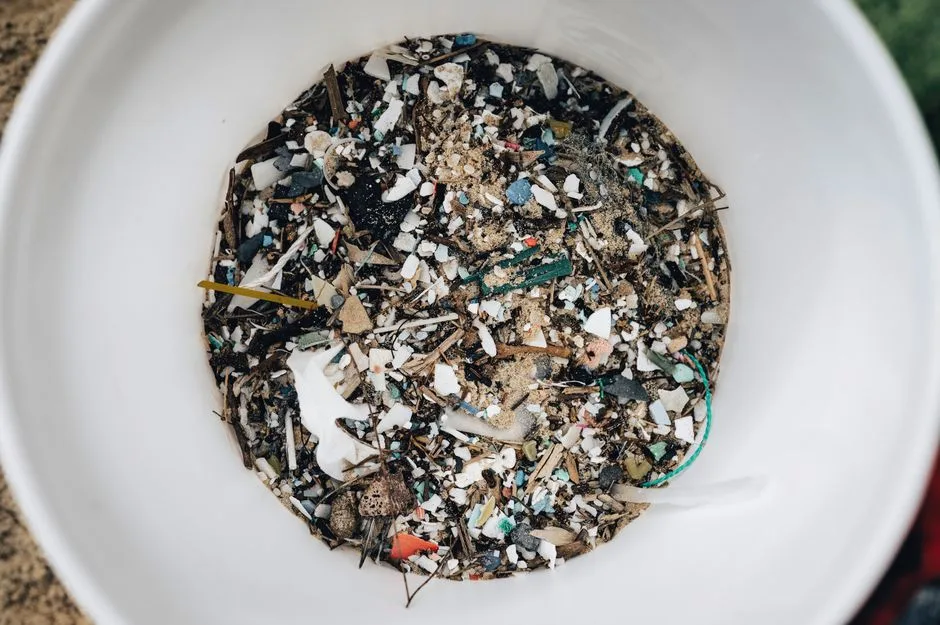
Microplastics are tiny plastic pieces smaller than 5 millimeters. Some are made small on purpose, like microbeads.
Others break off from larger plastic items over time.
They show up in food because plastic waste breaks down in soil and water. Rivers and lakes carry these fragments into the food chain[3][5].
Food is one of the main ways people take in microplastics. Research on this topic is still new, so many answers are not final yet[2].
How do microplastics get into food?
Plastic waste does not fully disappear. It breaks into smaller and smaller pieces called microplastics and nanoplastics[2].
These pieces travel through freshwater systems like rivers and lakes.
Studies have tracked microplastics moving through these ecosystems and settling in sediment where fish and other animals live[3][5].
Sewage sludge is another source.
Treatment plants pull microplastics out of wastewater, but the sludge is often used as fertilizer on farmland, which can move plastic particles into soil and crops[4].
Common ways microplastics enter the food supply include:
- Fish and shellfish absorbing microplastics from polluted water[3][6]
- Sea salt and drinking water carrying tiny plastic fragments
- Fertilizer made from treated sewage sludge spread on farm soil[4]
- Plastic packaging and containers shedding particles into food
- Plastic dust settling from the air onto crops and outdoor food prep
What do microplastics do in the body?
Once swallowed, microplastics can move past the gut lining. From there, they may reach the bloodstream and other organs[1].
A 2023 review looked at cellular and system-wide effects of micro- and nanoplastics in mammals. It found signs of oxidative stress, inflammation, and disruption to normal cell function in several organs[1].
Animal studies give more direct evidence.
In grass carp, researchers found that smaller microplastic particles caused more toxicity in embryos and larvae than larger ones[6].
This suggests particle size matters for how harmful microplastics are.
A newer study looked at polylactic acid microplastics, a type often marketed as a plant based plastic.
In adolescent test subjects, exposure was linked to cardiac fibrosis, a stiffening of heart tissue, through a process that sped up aging in heart muscle cells[8].
This does not mean plant based plastics are automatically safe. It suggests they can still cause organ damage under certain exposure levels[8].
Do microplastics affect fertility?
This is one of the more concerning areas researchers are watching, though the direct evidence in humans is still thin.
Fertilization depends on a protein called JUNO, found on the surface of the egg. It helps the egg recognize and bind with sperm[7].
A 2025 meta-analysis on JUNO's role in fertilization discussed factors that can interfere with this binding process[7].
Researchers are exploring whether environmental contaminants, including microplastics, could be one of these disrupting factors, but this connection is not yet confirmed through direct human trials.
Until more targeted research is done, this remains an open question rather than a settled fact.
Which foods carry the most microplastics?
Some foods are more likely than others to carry microplastic contamination, based on how they are grown, caught, or packaged[2].
- Seafood, especially shellfish like mussels and oysters that filter water
- Sea salt harvested from ocean water
- Bottled water, which can shed particles from the plastic container
- Tea bags made with plastic mesh
- Foods grown in soil treated with sludge based fertilizer[4]
- Packaged and processed foods wrapped or stored in plastic
Fresh, whole foods with minimal packaging tend to carry less microplastic contamination, though it is nearly impossible to avoid all exposure given how widespread plastic pollution has become[2][3].
Plastic food packaging brings more than just microplastic fragments.
A major 2023 commission review found that plastics also leach chemical additives like phthalates and bisphenol A, or BPA, into food and drinks, and linked this exposure to hormone disruption and other health harms across the human lifespan[9].
Testing of school meals has detected phthalates, BPA, and other plasticizers in packaged cafeteria food, showing this exposure starts young[10].
Bottled water carries a similar risk, since the plastic bottle itself can shed BPA and phthalates into the water over time, especially when exposed to heat[11].
Can you lower your exposure?
There is no supplement or treatment proven to remove microplastics from the body. Most current advice focuses on reducing how much you take in.
- Choosing filtered tap water over bottled water when possible
- Storing and reheating food in glass or metal instead of plastic
- Reducing use of plastic wrap directly on food
- Choosing loose leaf tea instead of plastic mesh tea bags
- Reducing intake of highly processed, plastic packaged foods
These steps are reasonable precautions rather than proven fixes.
The research on microplastics and long term health is still developing, and scientists are still working out how much exposure actually matters for human health[1][2].
Frequently asked questions
Are microplastics in all foods?
Not all foods, but they have been found in a wide range of foods and drinks, especially seafood, salt, and bottled water[2][3]. Fresh whole foods with little packaging tend to carry less.
Can microplastics cause organ damage?
Animal and lab studies suggest microplastics can trigger inflammation, oxidative stress, and tissue changes in organs including the heart[1][8]. Human long term data is still limited.
Do microplastics affect fertility?
This is still an open research question. Scientists are studying whether contaminants could interfere with proteins like JUNO that help sperm and egg bind, but this is not yet confirmed in humans[7].
Put this to work in your own food log. Track it free with Ration →
Sources
- Cellular and Systemic Effects of Micro- and Nanoplastics in Mammals-What We Know So Far · PMID 37109957
- Microplastics and Nanoplastics: Emerging Contaminants in Food · PMID 34473500
- Microplastics in freshwater ecosystems: what we know and what we need to know · PMID 28936382
- Microplastics in Sewage Sludge: A review · PMID 37079238
- Microplastics in freshwater systems: a review of the emerging threats, identification of knowledge gaps and prioritisation of research needs · PMID 25746963
- Size Effects of Microplastics on Embryos and Observation of Toxicity Kinetics in Larvae of Grass Carp (Ctenopharyngodon idella) · PMID 35202262
- Updating the Role of JUNO and Factors Involved in Its Function during Fertilization · PMID 40168958
- Adolescent exposure to polylactic acid microplastics causes cardiac fibrosis by promoting cardiomyocyte senescence · PMID 41125161
- The Minderoo-Monaco Commission on Plastics and Human Health · PMID 36969097
- Phthalates, adipates, BPA, and pesticides in school meals · PMID 37442262
- Potential risk of BPA and phthalates in commercial water bottles: a minireview · PMID 34152295