Potatoes: Glycogen Fuel or Junk Carb?
Key takeaways
- Potatoes are not junk carbs. They are a whole food packed with potassium, vitamin C, and fiber, especially in the skin.
- In the famous satiety index study, boiled potatoes were the most filling food ever tested, beating steak, eggs, and oats.
- How you cook and cool a potato changes its effect on blood sugar. Cooling boiled potatoes raises resistant starch, which digests more slowly.
- Frying, and adding lots of butter or cheese, is what turns a potato into a less healthy food. The potato itself is not the problem.
Potatoes get a bad name, but the plant itself is not junk food. A plain potato is a starchy vegetable with fiber, potassium, and vitamin C.
The bad reputation mostly comes from how potatoes get cooked and served, like french fries, chips, and loaded baked potatoes buried in cheese and bacon.
On their own, boiled or baked potatoes rank as one of the most filling foods you can eat. A classic study called the satiety index measured how full different foods made people feel per calorie.
Boiled potatoes scored the highest of all 38 foods tested, far above white bread, eggs, and even steak. That makes them a strong tool for people trying to manage hunger and body weight, even though they are a carbohydrate.
Why are potatoes so filling?
Potatoes are mostly water and starch, but they still pack a lot of volume and weight per calorie. This means your stomach fills up before you take in too many calories.
Potatoes also contain resistant starch, a type of starch your body cannot fully digest in the small intestine. It moves down to the large intestine, where gut bacteria ferment it.
This process may boost feelings of fullness and support gut health.
The amount of resistant starch changes a lot based on cooking and cooling. A freshly cooked hot potato has less resistant starch than one that has been cooked and then cooled in the fridge.
Cooling causes some of the starch to change structure, becoming more resistant to digestion. This is sometimes called starch retrogradation.
Do potatoes spike blood sugar?
Potatoes have a high glycemic index in most tests, meaning they can raise blood sugar fairly quickly compared to foods like lentils or oats.
This is a real concern for people managing blood sugar, including those with type 2 diabetes.
But glycemic index is not the whole story. Serving size, ripeness, cooking method, and what you eat alongside the potato all change the blood sugar response.
- Boiling tends to produce a lower blood sugar spike than baking.
- Cooling a cooked potato before eating it, even reheating it later, can lower its glycemic impact due to resistant starch formation.
- Eating potatoes with protein, fat, or fiber, like a scoop of beans or a source of olive oil, slows digestion and blunts the blood sugar rise.
- Frying adds a large amount of fat and calories, and the type of fat used matters for heart health.
None of the studies provided here tested potatoes directly. But research on other foods and spices offers useful context on managing blood sugar around starchy meals.
Cinnamon, for example, has been shown in a dose-response meta-analysis to modestly improve glycemic control in people with type 2 diabetes[2].
Ginger supplementation has also shown benefits for glycemic control, blood pressure, and lipid profile in people with type 2 diabetes[1].
Aromatic herbs and spices common in the Mediterranean diet, like garlic and oregano, showed similar modest improvements in glycemic markers in a systematic review[4].
These findings suggest that pairing starchy foods like potatoes with certain spices could be one small piece of a blood sugar management strategy, though this needs direct testing on potato meals specifically.
Does the skin matter?
Yes. Potato skin holds a meaningful share of the fiber, potassium, and antioxidants found in the whole vegetable.
Peeling a potato removes some of this nutrition along with the skin.
Fiber in the skin also slows down how fast the starch inside digests. This can soften the blood sugar spike compared with a peeled potato of the same size.
What actually makes potatoes 'junk'?
The potato itself is a whole food. What turns it into junk food is usually the preparation.
- Deep frying in oil, as in french fries and potato chips, adds a large amount of fat and calories and can create harmful compounds like acrylamide at high heat.
- Loading a baked potato with butter, sour cream, bacon, and cheese adds saturated fat and sodium far beyond what the potato itself contributes.
- Processed potato snacks often add excess salt, flavoring chemicals, and refined oils.
- Eating very large portions of any starchy food, potato included, can work against blood sugar or weight goals.
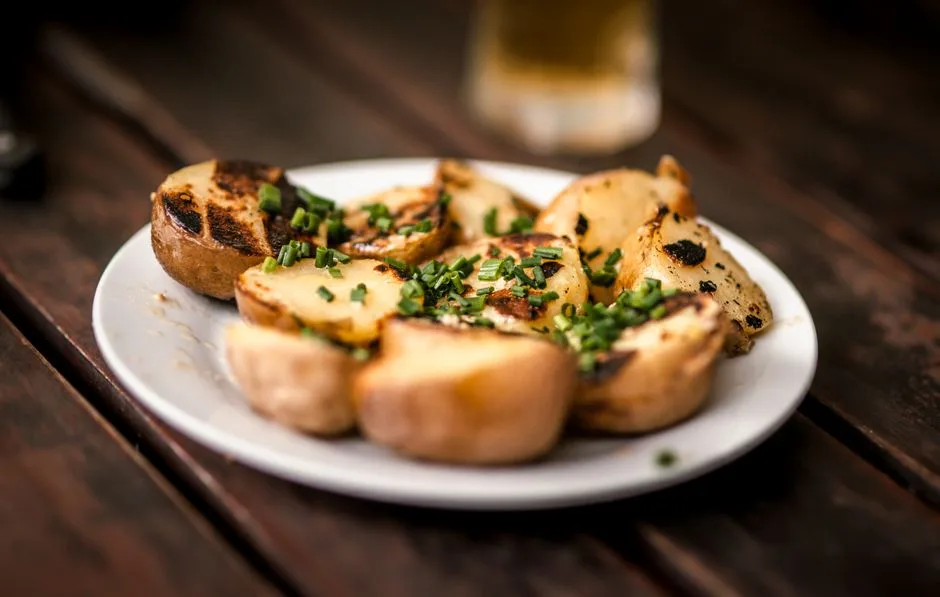
Compare this to a boiled or baked potato eaten with the skin, maybe topped with a bit of olive oil, herbs, or plain yogurt. That is a very different food, nutritionally, than a plate of fries.
A review of potato research backs this up, finding that whole potatoes supply notable amounts of fiber, potassium, vitamin C, and protective plant compounds like phenolic acids and flavonoids, none of which fit the label of a junk food[6].
A separate review of potatoes and cardiometabolic health found no consistent evidence that eating whole potatoes themselves raises risk for obesity, type 2 diabetes, or heart disease, and pointed instead to preparation methods and portion sizes as the likely drivers of any harm[7].
Newer plant breeding work has also produced genetically modified potato varieties with lower acrylamide formation during frying and better bruise resistance, which could someday make even fried potato products less concerning[8].
So are potatoes glycogen fuel?
Potatoes are a source of carbohydrate, and carbohydrate is what your body stores as glycogen in the muscles and liver.
Athletes and active people have long used potatoes as a practical, whole food carb source before or after exercise, because the starch digests into glucose that can refill glycogen stores.
For most people, potatoes fit reasonably well into an active lifestyle.
Whether they belong in your diet depends on your overall calorie needs, your blood sugar goals, and how you cook them, more than on the potato itself.
Frequently asked questions
Are potatoes healthier than rice or pasta?
Potatoes have more potassium and vitamin C than white rice or pasta, plus more volume per calorie, which may help with fullness. Whole grain versions of rice or pasta may offer more fiber than a peeled potato. The healthiest choice depends on the whole meal, not just the starch.
Does cooling potatoes really lower their glycemic impact?
Cooling cooked potatoes increases resistant starch, a form of starch that digests more slowly. This is a well documented effect of starch retrogradation, though the size of the benefit can vary by potato type and how long it is cooled.
Can people with diabetes eat potatoes?
Many people with diabetes can include potatoes in moderate portions, especially boiled, cooled, or paired with protein and fiber. Working with a doctor or dietitian on portion size and preparation is the safest approach, since individual blood sugar responses vary.
Put this to work in your own food log. Track it free with Ration →
Sources
- Meta-analysis of the effects of ginger supplementation on glycemic control, blood pressure and lipid profile in patients with type 2 diabetes · PMID 42337792
- The effect of cinnamon supplementation on glycemic control in patients with type 2 diabetes mellitus: An updated systematic review and dose-response meta-analysis of randomized controlled trials · PMID 37818728
- The effect of alpha-lipoic acid supplementation on anthropometric, glycemic, lipid, oxidative stress, and hormonal parameters in individuals with polycystic ovary syndrome: a systematic review and meta-analysis of randomized clinical trials · PMID 38044616
- Effect of Aromatic Herbs and Spices Present in the Mediterranean Diet on the Glycemic Profile in Type 2 Diabetes Subjects: A Systematic Review and Meta-Analysis · PMID 38542668
- A Meta-Analysis of the Impact of Resveratrol Supplementation on Markers of Renal Function and Blood Pressure in Type 2 Diabetic Patients on Hypoglycemic Therapy · PMID 33266114
- Potatoes and human health · PMID 19960391
- The role of potatoes and potato components in cardiometabolic health: a review · PMID 23855880
- Approved Genetically Modified Potatoes (Solanum tuberosum) for Improved Stress Resistance and Food Safety · PMID 36103343