Sodium: How Much Is Too Much, and Who Needs More
Key takeaways
- Most adults should aim for less than 2,300 mg of sodium a day, but many people get much more than that from packaged and restaurant food.
- Sodium is an electrolyte your body needs for fluid balance, nerve signals, and muscle function.
- Athletes and people who sweat heavily may need more sodium, not less.
- Very low sodium intake is rare from food alone but can happen with certain health conditions or extreme fluid loss.
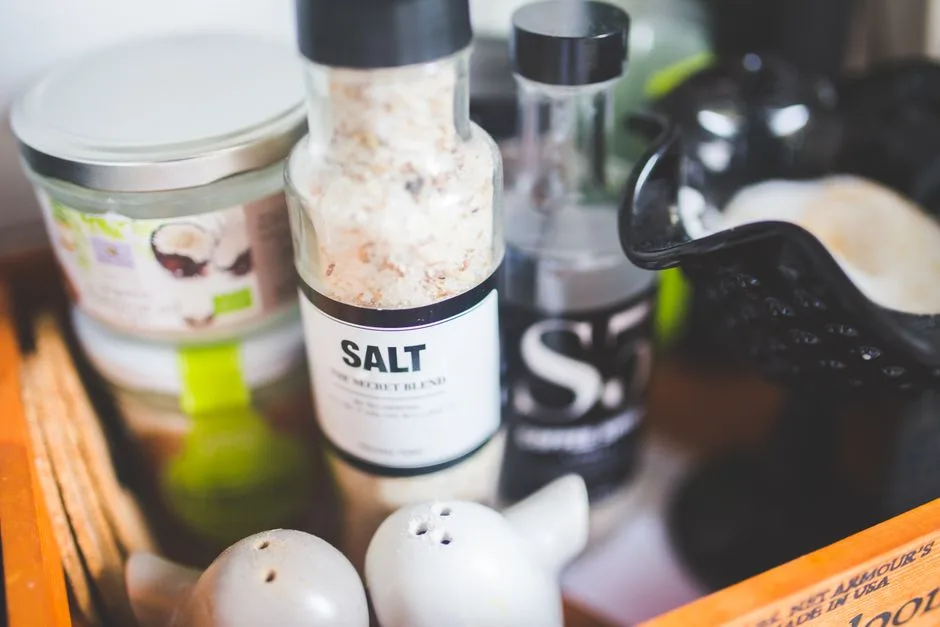
Most health groups say adults should keep sodium under 2,300 mg a day. That is about one teaspoon of salt.
Many people eat far more than this, mostly from packaged food, not the salt shaker.
Sodium is not something to avoid completely. Your body needs it every day to work right.
The real question is not whether you need sodium, but how much, and whether you fall into a group that needs more.
What does sodium actually do?
Sodium is an electrolyte. Electrolytes are minerals that carry an electric charge in your blood and fluids.
Sodium helps control how much fluid stays inside and outside your cells. This is called fluid balance.
- Helps nerves send signals to muscles and the brain
- Supports normal muscle contraction, including your heartbeat
- Helps keep blood volume and blood pressure steady
- Works closely with potassium to balance fluid levels inside and outside cells
Because sodium and potassium work as a team, a diet very high in sodium and low in potassium can push blood pressure up over time.
How much sodium is too much?
For most healthy adults, going over 2,300 mg a day regularly is considered too much. Some guidelines suggest an even lower target, closer to 1,500 mg, for people with high blood pressure or heart disease.
The tricky part is that sodium is easy to overeat without noticing. Most of it does not come from home cooking.
- Bread and rolls
- Pizza
- Sandwiches and burgers
- Cold cuts and cured meats
- Soups, canned and packaged
- Savory snacks like chips and crackers
- Chicken dishes, especially breaded or seasoned
- Cheese
Eating too much sodium over years is linked to higher blood pressure in many people. Higher blood pressure raises the risk of heart disease and stroke over time.
Not everyone responds to sodium the same way. Some people are called salt sensitive, meaning their blood pressure rises more with high sodium intake.
Others show little change.
What are the signs of too little sodium?
Low sodium in the blood is called hyponatremia. This is different from simply eating less salt.
It usually happens when the body holds onto too much water, diluting sodium levels, or loses a large amount of sodium through sweat, vomiting, or diarrhea.
- Headache
- Nausea or vomiting
- Confusion or trouble concentrating
- Muscle weakness, spasms, or cramps
- Fatigue and low energy
- In severe cases, seizures or loss of consciousness
Mild hyponatremia can be easy to miss because the symptoms are vague. Severe cases are a medical emergency.
Getting too little sodium from food alone is rare in people who eat a normal diet.
It is more common in specific situations, like endurance athletes who drink large amounts of plain water during long events, or people taking certain medications.
Who actually needs more sodium?
Some groups lose more sodium through sweat or fluid shifts and may need more than the general guideline.
- Endurance athletes and people exercising in heat for long periods
- People who sweat heavily on a regular basis
- Athletes at risk of exercise associated hyponatremia from drinking too much plain water
- People with certain medical conditions that cause sodium loss, under medical guidance
For athletes, sodium is also studied as a performance tool in a different form.
Sodium bicarbonate, sometimes called baking soda, is used by some athletes to help buffer acid buildup during short, intense exercise like sprinting or repeated high effort sets.
A position stand from the International Society of Sports Nutrition reviewed this research and found sodium bicarbonate can modestly improve performance in high intensity exercise lasting about one to ten minutes, when used strategically around training or competition[1].
This is a specific sports supplement use, separate from general dietary sodium needs.
For most people who are not heavy sweaters or endurance athletes, the goal is usually to eat less sodium, not more, since typical diets already lean high.
How can you tell what is right for you?
There is no single sodium number that fits everyone perfectly. Body size, sweat rate, kidney function, blood pressure, and activity level all play a role.
People with high blood pressure, kidney disease, or heart failure often benefit from watching sodium more closely. People who train hard in heat for hours may need to actively replace sodium lost in sweat.
Checking food labels is one of the simplest ways to get a sense of your intake, since packaged and restaurant foods make up most sodium in a typical diet.
People with kidney disease often need extra guidance on sodium, since the kidneys normally control how much sodium and fluid stay in the body[2].
In dialysis, doctors sometimes track sodium levels closely using a method called conductivity, which helps them adjust treatment to avoid swings in blood pressure and fluid buildup[3].
This shows sodium balance is not just a diet question for some people, it is a medical one that needs regular monitoring.
Frequently asked questions
Is sea salt or pink salt healthier than table salt?
All of these are mostly sodium chloride. Sea salt and pink salt contain trace minerals, but not enough to change their effect on the body in a meaningful way. Sodium content is what matters most for health.
Can you sweat out too much sodium during exercise?
Yes, heavy or prolonged sweating can cause a real sodium loss. This matters most during long endurance events, especially in heat, and is one reason some athletes use sports drinks or electrolyte products.
Does cutting sodium always lower blood pressure?
Not for everyone. Some people are more salt sensitive than others and see bigger blood pressure drops when they cut sodium. Others see little change, though the exact reason for this difference is still being studied.
Put this to work in your own food log. Track it free with Ration →
Sources
- International Society of Sports Nutrition position stand: sodium bicarbonate and exercise performance · PMID 34503527
- Sodium · PMID 14874424
- Sodium management in dialysis by conductivity · PMID 10452707