Vitamin D and Gut Health: What It Does for the Digestive Tract
Key takeaways
- Vitamin D helps keep the gut lining strong and may lower inflammation in the digestive tract.
- Many people with inflammatory bowel disease (IBD) have low vitamin D, and low levels are linked to worse disease.[2][4]
- Vitamin D supplementation may improve disease activity and quality of life in IBD, though the best dose is still unclear.[1][8]
- You can get vitamin D from sunlight, food, or supplements, but talk to a doctor before starting one for a digestive condition.
What is vitamin D, and why does the gut care?
Vitamin D is a fat-soluble vitamin your skin makes when it gets sunlight.
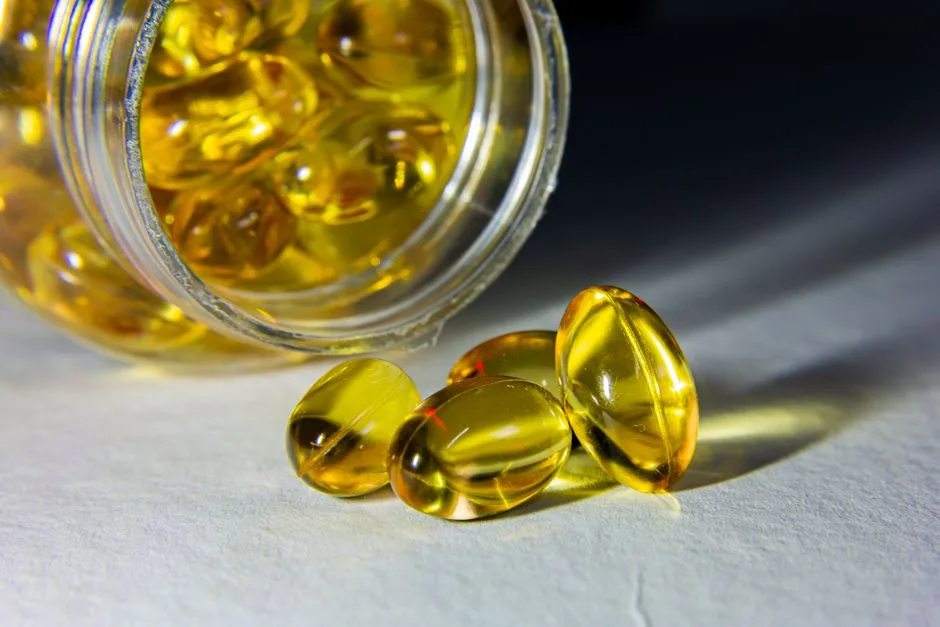
You can also get it from certain foods and supplements.
Most people know vitamin D for its role in bone health, since it helps your body absorb calcium.
But vitamin D also acts like a hormone.
It attaches to receptors found in many tissues, including cells that line your intestine.[9]
These gut cells use vitamin D to help control inflammation and keep the intestinal barrier strong.[9]
The intestinal barrier is the thin wall of cells that separates your gut contents from the rest of your body.[6]
When this barrier weakens, bacteria and toxins can slip through and trigger inflammation.[6]
How does vitamin D affect digestive health?
Vitamin D supports the gut in a few key ways.
- Strengthens tight junctions, the connections between gut cells that seal the intestinal wall.[9]
- Helps regulate immune cells so they do not overreact and damage healthy tissue.[1]
- Supports a balanced gut microbiota, the community of bacteria living in your intestine.[1]
- Encourages molecules that help repair damaged intestinal tissue.[1]
Researchers are especially interested in this for inflammatory bowel disease, or IBD.[1]
IBD includes Crohn's disease and ulcerative colitis, both chronic conditions that inflame the digestive tract.
People with IBD often deal with abdominal pain, diarrhea, and fatigue.
A major treatment goal in IBD is called mucosal healing.
Mucosal healing means the inflamed gut lining actually repairs itself, not just that symptoms improve.[1]
Achieving mucosal healing is linked to fewer relapses, fewer hospital stays, and less need for surgery.[1]
What does the evidence show?
Vitamin D deficiency is very common in people with IBD.[2]
Low vitamin D levels are associated with more severe disease and higher relapse rates.[4]
This link may go both ways, since active gut inflammation can also lower vitamin D levels by reducing absorption.[5]
A recent review found that vitamin D helps modulate immune responses and supports tight junction integrity in the gut.[1]
However, most clinical studies measure symptoms and blood markers rather than directly checking the gut lining with endoscopy.[1]
This means the evidence supports vitamin D improving disease activity, but proof that it drives true mucosal healing is still limited.[1]
A systematic review and meta-analysis in children with IBD found that vitamin D therapy was linked with improved outcomes and was generally well tolerated.[8]
Other reviews echo this pattern, noting that supplementation may improve clinical and biochemical markers of disease.[3][5]
Vitamin D status has also been studied in other chronic inflammatory conditions, including a reported connection between IBD and chronic obstructive pulmonary disease, hinting at a shared role for inflammation and barrier health across organs.[7]
Researchers still do not agree on the best dose or blood level target for gut health specifically.[1]
Who might benefit most?
People with IBD are a key group to watch, since deficiency is so common in this population.[2]
- People with Crohn's disease or ulcerative colitis, especially during flares.
- People with limited sun exposure, such as those who live in northern climates or stay indoors.
- Older adults, since skin becomes less efficient at making vitamin D with age.
- People with malabsorption issues, since damaged gut lining can reduce nutrient absorption.[2]
- Anyone with a known low vitamin D blood level, confirmed through testing.
People without a digestive condition can still benefit from adequate vitamin D for general immune and bone health.
But the strongest gut-specific evidence right now centers on IBD populations.[1][4]
What should you actually do?
Start by talking with a doctor about checking your vitamin D blood level, especially if you have a digestive condition.
A simple blood test can show whether you are low, adequate, or high.
If you are managing IBD, ask your gastroenterologist whether vitamin D testing fits into your regular care plan.[2]
- Get some sun exposure on bare skin when possible, since sunlight triggers natural vitamin D production.
- Eat vitamin D rich foods like salmon, egg yolks, and fortified milk or cereal.
- Consider a supplement only after discussing dose and blood levels with a healthcare provider.
- Avoid self-prescribing high doses, since vitamin D is fat-soluble and can build up in the body.
- Recheck blood levels periodically if you are supplementing, to avoid going too high or too low.
If you have IBD, do not view vitamin D as a replacement for prescribed medication.
Current evidence points to it as a complementary strategy, not a stand-alone cure.[1]
Pair any vitamin D plan with your existing treatment and regular monitoring from your care team.
Is vitamin D safe to take?
Vitamin D is generally considered safe within recommended amounts.
Because it is fat-soluble, your body stores extra amounts rather than flushing them out like it does with water-soluble vitamins.
This means very high doses over time can lead to toxicity, though this is uncommon with typical supplement doses.
Reviews on IBD note that maintaining adequate vitamin D levels appears to be a safe complementary approach for many patients.[1]
Still, people with kidney disease or a history of high calcium levels should be especially careful and consult a doctor first.
Common questions
Frequently asked questions
Can vitamin D cure inflammatory bowel disease?
No. Vitamin D is not a cure for IBD. Current research suggests it may help support the gut lining, calm inflammation, and improve disease activity as a complementary approach alongside standard treatment.[1]
Why are vitamin D levels often low in people with IBD?
Inflammation in the gut can reduce nutrient absorption, and many people with IBD also get less sun exposure or eat a more limited diet. This creates a cycle where low vitamin D and gut inflammation can worsen each other.[2][5]
How much vitamin D do people with digestive conditions need?
There is no single agreed-upon dose for gut health specifically. Researchers note that the optimal amount for supporting mucosal healing in IBD is still unclear, so testing and personalized guidance from a healthcare provider matter more than a general number.[1]
Put this to work in your own food log. Track it free with Ration →
Sources
- Vitamin D in mucosal healing: therapeutic potential and current evidence in inflammatory bowel disease · PMID 42542748
- Micronutrient deficiencies in inflammatory bowel disease · PMID 26418823
- Role of Vitamin D in Celiac Disease and Inflammatory Bowel Diseases · PMID 36501183
- Associations between inflammatory bowel diseases and vitamin D · PMID 29236523
- Vitamin D and inflammatory bowel disease: what do we know so far? · PMID 33054287
- Intestinal Barrier Impairment, Preservation, and Repair: An Update · PMID 39458489
- Links Between Inflammatory Bowel Disease and Chronic Obstructive Pulmonary Disease · PMID 33042125
- Vitamin D therapy in pediatric patients with inflammatory bowel disease: a systematic review and meta-analysis · PMID 36100800
- Mucosal vitamin D signaling in inflammatory bowel disease · PMID 32942038