Foods for Gut Health: Fiber, Fermented Foods, and What the Data Shows
Key takeaways
- Dietary fiber is the single most consistent lever for gut-microbiome diversity.
- Fermented foods add live microbes and, in one trial, lowered inflammatory markers.
- Variety of plants matters more than any single "superfood".
Fiber feeds the microbiome
Fiber is the part of plants humans cannot digest, so it reaches the colon intact and feeds gut bacteria, which ferment it into short-chain fatty acids.
Higher fiber intake is repeatedly linked to greater microbiome diversity, a marker of gut health.[1] Most people eat far less than the daily target.
These are the highest-fiber foods per 100 grams in the database:
Not all fibers act the same way once they reach the gut.
A randomized controlled trial comparing resistant starch and polydextrose supplements found each type changed the gut microbiota differently and produced distinct shifts in plasma and fecal bile acid profiles.[6] This suggests the type of fiber you choose, not just the total amount, shapes how your gut bacteria process bile acids, which are compounds tied to fat digestion and metabolic health.
Carob, a fiber-rich pod used as a cocoa substitute, offers a good example of how a single fiber-rich food can support gut health in several ways at once.[10] A narrative review found carob's fiber and polyphenols may help feed beneficial gut bacteria while also supporting healthy blood sugar and cholesterol levels.[10] This suggests some high-fiber foods deliver benefits beyond feeding the microbiome, thanks to the plant compounds that travel alongside the fiber.[10]
A newer trial adds to the evidence that not all resistant starches act alike inside the gut.[12] Researchers gave healthy adults resistant starch type 2 and resistant starch type 4 and found each one produced distinct, and reversible, shifts in the gut microbiome.[12] Once people stopped eating the supplemented starch, their microbiome patterns shifted back, showing these fiber-driven changes depend on ongoing intake rather than a one-time fix.[12]
Not all fibers come from grains and legumes, and citrus peels offer another promising source.[14] Researchers modified homogalacturonan-rich citrus pectin, a fiber found in citrus peels, and found it acted as a next-generation prebiotic, encouraging the growth of beneficial gut bacteria.[14] This suggests plant byproducts like citrus peel, often discarded as waste, could become a targeted way to feed specific gut bacteria.[14]
Fiber's benefits may even extend to fighting off gut infections, not just feeding good bacteria.
In an animal study, butyrate, a short-chain fatty acid made when gut bacteria ferment fiber, reduced the severity of Clostridium difficile infection in mice fed a high-fat diet.[17] This suggests that fiber's fermentation byproducts can help protect the gut from harmful infections, especially in the context of a high-fat diet.[17]
Diet may also shape gut health enough to prevent gallstones, not just support digestion.[23] A study of two large population-based cohorts found that eating patterns supporting a healthier gut microbiota, including higher fiber intake, were linked to a lower risk of developing gallstones.[23] This suggests fiber's effects on the gut may extend beyond the microbiome itself, reaching organs like the gallbladder that depend on healthy bile processing.[23]
Curdlan, a fiber made by certain bacteria, is another example of how one type of fiber can target the gut liver connection.[34] In an animal model of non-alcoholic fatty liver disease, curdlan enriched butyrate-producing gut bacteria and eased liver fat buildup through this gut liver axis.[33] This adds to evidence that different fiber types feed different bacterial groups, since curdlan is already used in food and medical products for reasons separate from gut health.[34]
Fermented foods
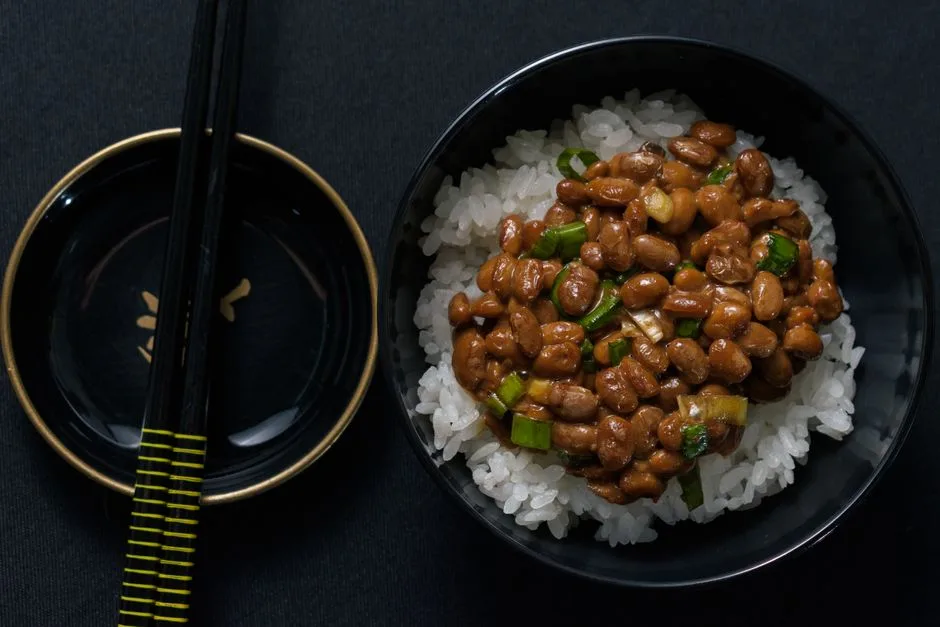
Fermented foods such as yogurt, kefir, and sauerkraut deliver live microbes.
A Stanford trial found a diet high in fermented foods increased microbiome diversity and lowered inflammatory markers over ten weeks.[2]
Researchers are also testing new ways to protect these live microbes so more of them survive digestion.
One study encased probiotics with phycocyanin, a blue pigment from spirulina, inside tiny protective fibers and found this raised probiotic survival and gave the mix extra antioxidant activity.[4]
Not all fermentation works the same way.
A study comparing bacterial and yeast fermentation of chickpea protein isolate found that the type of microbe used changed the nutritional and bioactive properties of the final food.[5] This suggests the specific microbes in a fermented food, not just the fact that it is fermented, shape the health benefits you get.
Probiotics may also help people whose gut bacteria mishandle bile acids.
In a randomized controlled trial, patients with a history of bile acid malabsorption who took a multi-strain probiotic saw improvements in their bile acid profile, along with shifts in their microbiome and metabolomic markers.[7] This suggests fermented foods and probiotic supplements can support gut health beyond just adding live microbes, by helping correct specific imbalances in how the gut processes bile acids.
Fermentation can also change the plant compounds found in fruit and vegetable byproducts, not just the microbes themselves.[9] One study looked at grape marc, the skins and seeds left over from winemaking, and found that lactic acid fermentation transformed its phenolic compounds into new forms.[9] Many of these new compounds survived simulated digestion, suggesting fermentation can make plant antioxidants more available to the gut.[9]
A fermented millet drink called kunun zaki, popular in West Africa, may do more than support beneficial gut bacteria.[16] Researchers found that people who drank this traditional fermented millet beverage had a lower prevalence of certain antimicrobial resistance genes in their fecal samples.[16] This suggests fermented foods could play a role in reducing the spread of antibiotic-resistant bacteria in the gut, alongside their other benefits for the microbiome.[16]
Fermentation can also create entirely new bioactive compounds inside everyday foods like cheese.[21] Researchers enriched cheese with soybean and found the fermentation process generated novel peptides, small protein fragments, that inhibited angiotensin-converting enzyme, a target linked to healthy blood pressure.[21] This adds to broader evidence that fermented foods support health through several mechanisms at once, including digestion, immunity, and blood pressure regulation, not just by adding live microbes to the gut.[22]
Wheat by-products left over from milling, like bran and germ, are usually thrown away, but microbial bioprocessing can turn them into a source of antioxidants.[24] Researchers used microbial fermentation to unlock bound antioxidant compounds trapped inside these wheat leftovers, raising their antioxidant activity.[24] This mirrors what happens in sourdough fermentation, where a mix of wild yeast and lactic acid bacteria breaks down grain compounds and changes their bioactive properties.[25] Together, this suggests fermentation can rescue nutrients from food waste, not just add live microbes to foods we already eat.[26]
Probiotic supplements may also help people managing metabolic syndrome, a cluster of conditions including high blood sugar and excess belly fat.[27] In a pilot trial, patients with metabolic syndrome who took autoprobiotics, probiotics made from their own gut bacteria, saw improvements in body weight, gut microbiota balance, and markers of carbohydrate and lipid metabolism.[27] Choosing the right probiotic strain matters too, since a network meta-analysis found that different probiotic strains and mixtures varied widely in how well they eased specific symptoms of irritable bowel syndrome.[28]
Traditional fermented mare's milk, a staple in some Central Asian diets, is another source of live microbes worth studying.[35] Researchers isolated Enterococcus faecium MMX from this fermented milk and found it eased colitis in an animal model by calming an inflammatory pathway called the LCN2-NLRP3 pyroptosis axis.[35] This adds to broader evidence that fermented dairy foods, including yogurt, deliver specific bacterial strains that support gut health, not just a generic dose of live microbes.[36]
Fermented foods may also help people managing hyperuricemia, a condition marked by too much uric acid in the blood that can lead to gout.[37] In an animal study, the probiotic strain Lacticaseibacillus paracasei Jlus66 lowered uric acid levels by blocking xanthine oxidase, an enzyme that produces uric acid, and by adjusting the transporter proteins that move uric acid in and out of cells.[37] This probiotic also shifted the gut microbiota, suggesting fermented foods and specific probiotic strains may support uric acid balance alongside their other gut benefits.[37]
Plant variety
The American Gut Project found people eating more than 30 different plant types per week had more diverse microbiomes than those eating fewer than 10.[3] Range beats repetition.
Gut bacteria may also reach beyond digestion to affect sleep.
In a randomized, double-blind, placebo-controlled trial, people with chronic insomnia who received a fecal microbiota transplant slept better than those given a placebo.[8] This adds to evidence that the mix of microbes living in your gut can influence more than just digestion, including how well you sleep.
Gut bacteria acquired early in life may also shape long-term weight through interactions with vitamin B12.
In an animal study, low vitamin B12 during pregnancy reduced early colonization with Bifidobacterium pseudolongum in offspring, and this shift was linked to a higher risk of obesity later in life.[11] This suggests that early gut microbiome development, shaped by both maternal diet and specific bacterial species, may influence body weight for years afterward.
Gut bacteria can also produce compounds that raise heart disease risk, not just ones that help digestion or sleep.
Certain gut microbes turn nutrients like choline into trimethylamine, which the liver converts into trimethylamine N-oxide, or TMAO.[13] An animal study found high TMAO levels promoted atrial fibrillation, an irregular heart rhythm, by disrupting nerve signals to the heart.[13] This adds to evidence that the mix of bacteria in your gut can shape heart health, not only weight or immune markers.
Eating a Mediterranean-style pattern, rich in vegetables, fruits, legumes, whole grains, and olive oil, may also help people who already have gut disease.[15] A systematic review of patients with inflammatory bowel disease found that closer adherence to the Mediterranean diet was linked to better clinical outcomes, including fewer flares.[15] This suggests that the combination of fiber, plant variety, and healthy fats in this eating pattern supports the gut even when disease is already present.[15]
Plant compounds beyond fiber may also help calm gut inflammation by working directly on gut bacteria and stem cells lining the colon.[18] A clinical study of ulcerative colitis found that combining resveratrol, a compound in grapes, with curcumin, a compound in turmeric, improved gut microbiome balance and eased disease activity by targeting an enzyme called cystathionine-beta-synthase.[18] This suggests that pairing plant compounds from different foods may support gut healing in ways a single compound cannot.[18]
Buckwheat, a plant seed often grouped with grains, adds another layer of gut support through its phenolic compounds, plant chemicals with antioxidant activity.[19] A review of buckwheat research found these phenolics survive much of digestion intact and reach the colon, where gut bacteria can use them.[19] This suggests rotating in less common plants like buckwheat, alongside familiar grains and legumes, may give gut bacteria a wider range of compounds to work with.[19]
Adding overlooked plant byproducts to everyday snacks can also boost fiber variety without changing what people already eat.[20] Researchers enriched traditional taralli, a baked Italian snack, with lentil hulls and tritordeum flour, an ancient wheat hybrid, and found the swap raised fiber content while improving the metabolomic profile of the snack.[20] This suggests that reworking familiar processed foods with underused plant parts, like hulls normally discarded, is another way to widen the range of plant fibers people eat regularly.[20]
Berry cactus juice concentrate offers another example of how a single plant food can reshape gut bacteria while easing metabolic problems.[29] In a rat study of diet-induced metabolic syndrome, this juice, rich in plant compounds called phytochemicals, modulated the gut microbiota and improved markers of metabolic health.[29] This adds to evidence that rotating in less common fruits, alongside familiar plants, can widen the range of compounds available to gut bacteria.[29]
Polysaccharides from Cordyceps militaris, a medicinal fungus, are another example of a less common plant compound that may support gut and immune health.[30] Reviews of this fungus show its polysaccharides can shape gut bacteria while also activating immune cells, linking gut microbiota changes to broader immune effects.[31] A newly isolated acidic exopolysaccharide from Cordyceps militaris showed strong immune-stimulating activity in lab studies, suggesting these compounds could add another tool for supporting gut and immune health alongside familiar high-fiber plants.[32]
Gut bacteria may also shape immune development starting in infancy.[38] In one study, giving infants a synbiotic combining Bifidobacterium infantis with human milk oligosaccharides, sugars naturally found in breast milk, changed early immune signatures and protected against experimental respiratory disease.[38] This suggests the timing of microbiome support, not just the foods chosen later in life, may set up long-term immune health.[38]
Bottom line
Raise fiber toward the daily target, rotate a wide range of plants, and add a daily fermented food. You can sort every food by fiber in the spreadsheet.
Put this to work in your own food log. Track it free with Ration →
Sources
- Makki K et al. The impact of dietary fiber on gut microbiota. Cell Host Microbe. 2018. · PMID 29902436
- Wastyk HC et al. Gut-microbiota-targeted diets modulate human immune status. Cell. 2021. · PMID 34256014
- McDonald D et al. American Gut: an open platform for citizen science microbiome research. mSystems. 2018. · PMID 29795809
- High-speed electrospinning of phycocyanin and probiotics complex nanofibrous with higher probiotic activity and antioxidation · PMID 37087274
- Comparative Effects of Bacterial and Yeast Fermentation on Nutritional & Bioactive Properties in Chickpea Protein Isolate · PMID 42483611
- Distinct effects of supplementation with resistant starch and polydextrose on plasma and faecal bile acid profile and associations with gut microbiota: a randomised, controlled intervention in healthy participants · PMID 42489745
- Clinical Trial: Multi-Strain Probiotic Improves Bile Acid Profile, Microbiome, and Metabolomic Parameters in Patients With History of Bile Acid Malabsorption-A Randomized, Controlled Trial · PMID 42487516
- Fecal microbiota transplantation-based treatment protocol for chronic insomnia disorder: A randomized, double-blind, placebo-controlled trial · PMID 42482568
- Exploring biotransformation of phenolic compounds during lactic acid fermentation of grape marc and their fate following simulated in vitro digestion · PMID 42492326
- Carobs' impact on human health: a narrative review · PMID 42489445
- Maternal vitamin B12 deprivation exacerbates offspring obesity by reducing early-life colonization with Bifidobacterium pseudolongum · PMID 42480543
- Resistant starch types 2 and 4 induce distinct and reversible changes in the human gut microbiome · PMID 42496113
- Gut microbial trimethylamine N-oxide generation promotes risk of atrial fibrillation via muscarinic receptor-mediated autonomic dysfunction · PMID 42497006
- Modified homogalacturonan-rich citrus pectin as potential next-generation prebiotics · PMID 42494045
- The Potential Role of the Mediterranean Diet on Clinical Outcomes in Patients with Inflammatory Bowel Disease: A Systematic Review · PMID 42492787
- Potential for human consumption of fermented millet (Kunun zaki) to reduce the prevalence of selected antimicrobial resistance genes in human fecal samples · PMID 42491716
- [Butyrate alleviates Clostridium difficile infection in high-fat diet-induced obese mice] · PMID 42486817
- Targeting cystathionine-β-synthase (CBS)-mediated cell stemness and gut microbiome homeostasis: mechanism and clinical study of combined resveratrol-curcumin treatment for ulcerative colitis · PMID 42497521
- Buckwheat grain phenolics: Composition, bioactivity, and processing · PMID 42497695
- Functional enhancement of traditional taralli through lentil hulls and tritordeum flour integration: nutritional, metabolomic, and sensory insights · PMID 42502865
- Development of Functional Soybean-Enriched Cheese: Identification of Novel Angiotensin-Converting Enzyme-Inhibitory and Predicted Dipeptidyl Peptidase IV-Related Peptides · PMID 42502806
- Health benefits of fermented foods · PMID 28945458
- The Potential of Microbiota-Modulating Dietary Strategies in Gallstone Prevention: Evidence from 2 Large Population- Based Cohorts · PMID 42504616
- Unlocking Antioxidant Potential in Wheat By-Products Through Microbial Bioprocessing: An Integrated Extraction-QUENCHER Assessment · PMID 42513220
- Sourdough production: fermentation strategies, microbial ecology, and use of non-flour ingredients · PMID 34523363
- Omics approaches to understand sourdough fermentation processes · PMID 29935929
- Autoprobiotic Supplements Attenuate Obesity and Improve Gut Microbiota, Carbohydrate, and Lipid Metabolism in Patients with Metabolic Syndrome: A Pilot Trial · PMID 42514393
- Outcome-Specific Efficacy of Different Probiotic Strains and Mixtures in Irritable Bowel Syndrome: A Systematic Review and Network Meta-Analysis · PMID 37686889
- Phytochemical Characterization and Gut Microbiota Modulation by Berry Cactus Juice Concentrate in a High-Fat Diet-Induced Metabolic Syndrome Rat Model · PMID 42527764
- Cordyceps militaris polysaccharides: extraction, structure-activity relationships and functional applications · PMID 42521464
- Trends in the Immunomodulatory Effects of Cordyceps militaris: Total Extracts, Polysaccharides and Cordycepin · PMID 33328984
- Isolation and immune activity of a new acidic Cordyceps militaris exopolysaccharide · PMID 34813790
- Curdlan alleviates non-alcoholic fatty liver disease by enriching butyrate-producing gut microbiota-liver axis · PMID 42531785
- Therapeutic and Industrial Applications of Curdlan With Overview on Its Recent Patents · PMID 34262922
- Enterococcus faecium MMX derived from traditional fermented mare's milk alleviates colitis by modulating the LCN2-NLRP3 pyroptosis axis · PMID 42531082
- Yogurt and other fermented foods as sources of health-promoting bacteria · PMID 30452699
- Lacticaseibacillus paracasei Jlus66 ameliorates hyperuricemia by inhibiting xanthine oxidase activity, modulating uric acid transporter proteins and the gut microbiota · PMID 42530645
- Early-life immune imprinting by a B. infantis-HMO synbiotic shapes infant immune signatures and protects against experimental respiratory disease · PMID 42537648