Are Bananas Healthy?
Key takeaways
- Bananas are rich in potassium, fiber, and vitamin B6, with green bananas offering more resistant starch than ripe ones.
- Bananas support gut health and fermentation by feeding beneficial bacteria, though variety and fiber diversity matter too[6].
- They are a common food across cultures and diets, and their nutrient profile fits well within balanced eating patterns[4].
- Bananas are generally safe for most people, though those with kidney issues should watch their potassium intake.
What is a banana, nutritionally?
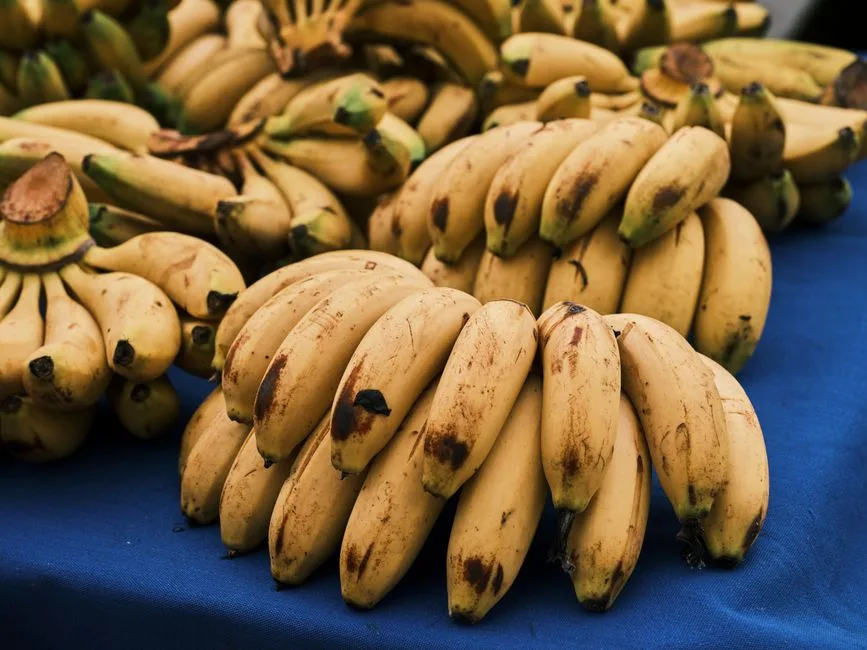
A banana is a fruit that grows in large bunches on tall plants.
It is one of the most eaten fruits in the world.
A medium banana has about 100 to 110 calories.
Most of those calories come from carbohydrate, including natural sugar and starch.
A banana also has fiber, potassium, vitamin B6, vitamin C, and small amounts of magnesium and manganese.
Green, unripe bananas have more resistant starch than ripe yellow ones.
Resistant starch acts like fiber in the gut and does not raise blood sugar the way regular starch does[1].
As a banana ripens, its starch turns into sugar, which is why ripe bananas taste sweeter and feel softer.
Why do bananas matter for health?
Bananas are cheap, easy to carry, and need no prep, which makes them an easy way to add fruit to the diet.
Potassium, a mineral bananas are known for, helps control blood pressure and muscle function.
Fiber in bananas supports regular digestion and feeds gut bacteria.
A 2025 study looked at how fecal microbiomes respond to fruit and vegetable fiber, and found that fermentation results depend on both the type of fiber and the person eating it[6].
This suggests that eating a variety of fruits, not just bananas, gives gut bacteria a wider range of fuel.
Diet patterns that include more fruit, like African heritage diets studied in a recent trial, have been linked to better immune and metabolic markers compared with typical Western diets[4].
This does not mean bananas alone cause these effects, but they can be part of a fruit-rich pattern that supports health.
Bananas can also fit into broader eating patterns known to support gut health, such as the Mediterranean diet, which has been shown to boost beneficial gut bacteria and related metabolites when followed closely[9][10].
Diet quality overall may reach beyond digestion, too.
A large UK Biobank study linked healthier eating patterns, including higher fruit intake, to better sleep and lower rates of depression and anxiety[11].
What about green, unripe bananas?
Green bananas are less sweet and firmer than ripe ones, and they are eaten cooked in many cultures.
A review on green bananas found they are rich in resistant starch and certain plant compounds that may help blood sugar control and gut health[1].
Resistant starch passes through the small intestine undigested and reaches the colon, where gut bacteria ferment it into short-chain fatty acids.
Short-chain fatty acids are compounds that help feed colon cells and may support a healthy gut lining.
Green bananas also tend to cause a smaller rise in blood sugar than ripe bananas, since they have less sugar and more starch[1].
This makes green bananas an option for people who want a lower glycemic choice, though taste and texture differ from ripe fruit.
Do bananas affect blood sugar and weight?
Bananas contain natural sugar, but they also have fiber, which slows digestion and helps blunt blood sugar spikes.
A ripe banana has a moderate glycemic index, meaning it raises blood sugar less sharply than many refined sugary snacks.
People with diabetes can often include bananas in their diet, though portion size and ripeness matter.
For weight management, the fiber in bananas can help with fullness, which may reduce overeating later in the day.
Bananas are not a low calorie food compared with something like berries, so portion awareness still matters for weight goals.
Can bananas help with breastfeeding or muscle cramps?
Some cultures use bananas as a natural galactagogue, a food believed to boost breast milk supply.
A 2020 meta-analysis reviewed natural therapies and drugs used to increase milk production in mothers of healthy term infants, and found the evidence for most natural galactagogues, including foods, remains weak and inconsistent[2].
This means bananas should not be relied on alone to boost milk supply, though they remain a nutritious food for breastfeeding mothers.
Bananas are also popularly linked to muscle cramp relief because of their potassium content, though direct evidence for this specific effect is limited.
Potassium and magnesium do play a role in muscle contraction, which may explain the popular belief.
Do bananas pair well with other foods?
Bananas are often blended into smoothies with other fruits, yogurt, or leafy greens.
A 2023 controlled crossover study looked at how blending fruit into smoothies affects flavan-3-ols, a group of polyphenols found in fruits like apples and berries.
The study found that an enzyme called polyphenol oxidase, released during blending, can lower the bioavailability of these beneficial plant compounds[3].
Bioavailability means how much of a compound the body can actually absorb and use.
This suggests that how a smoothie is prepared, including blending time and ingredient order, may affect how many polyphenols you actually absorb from fruit smoothies containing bananas.
What to do: getting the most from bananas
- Choose ripeness based on your goal: greener bananas for more resistant starch and a lower glycemic effect, riper bananas for more sweetness and easier digestion.
- Pair a banana with protein or healthy fat, like nut butter or yogurt, to slow sugar absorption and stay fuller longer.
- Add bananas to smoothies alongside other fruits and vegetables to diversify fiber types for your gut bacteria[6].
- Blend smoothies briefly and serve promptly if you want to preserve more polyphenols from added fruit[3].
- Keep portion size in mind if you are watching total carbohydrate or calorie intake.
- Talk with a doctor about potassium intake from bananas if you have kidney disease or take medications that affect potassium levels.
Are there any risks or downsides?
Bananas are safe for most people when eaten as part of a normal diet.
People with kidney disease may need to limit high potassium foods, including bananas, since damaged kidneys cannot clear excess potassium well.
Some people have a latex fruit allergy and may react to bananas, along with foods like avocado and kiwi.
Banana crops themselves face agricultural threats, including banana blood disease, a bacterial illness that damages banana plants and can spread through farming tools and insects[5][8].
This disease affects banana crops and food supply in some regions, rather than posing a direct risk to people eating bananas.
What counts as a healthy food can also depend on personal and cultural context, as shown in research on how older adults from different backgrounds define health and diet[7].
This reminds us that no single food, including bananas, defines a healthy diet on its own.
Frequently asked questions
Are bananas good for weight loss?
Bananas can support weight loss goals because their fiber helps with fullness, but portion size still matters since they have more calories than many other fruits.
Are green bananas healthier than ripe bananas?
Green bananas have more resistant starch and a lower effect on blood sugar, while ripe bananas are sweeter and easier to digest, so the better choice depends on your goal[1].
Can bananas raise blood sugar too much?
Bananas have a moderate glycemic index and contain fiber that slows sugar absorption, so they can fit into a diabetes-friendly diet in reasonable portions.
Put this to work in your own food log. Track it free with Ration →
Sources
- Let's Go Bananas! Gren Bananas and their Health Benefits · PMID 28991769
- Oral galactagogues (natural therapies or drugs) for increasing breast milk production in mothers of non-hospitalised term infants · PMID 32421208
- Impact of polyphenol oxidase on the bioavailability of flavan-3-ols in fruit smoothies: a controlled, single blinded, cross-over study · PMID 37615673
- Immune and metabolic effects of African heritage diets versus Western diets in men: a randomized controlled trial · PMID 40181181
- Diagnostics of Banana Blood Disease · PMID 34668403
- Fecal microbiomes from healthy adult consumers of fruits and vegetables exhibit fiber- and donor-specific fermentation: "5 a day" is not enough · PMID 40916941
- The meaning of healthy and not healthy: older African Americans and whites with chronic illness · PMID 14618007
- Transmission of Blood Disease in Banana · PMID 35077223
- High-level adherence to a Mediterranean diet beneficially impacts the gut microbiota and associated metabolome · PMID 26416813
- The Effects of the Mediterranean Diet on Health and Gut Microbiota · PMID 37432307
- Diet, Sleep, and Mental Health: Insights from the UK Biobank Study · PMID 34444731