Folate: Why You Need It and the Best Foods to Get It
Key takeaways
- Folate is vitamin B9, a nutrient your body uses to make DNA and new blood cells.
- Leafy greens, beans, citrus, and some fermented foods are rich natural sources of folate.
- Pregnant people need extra folate because it helps prevent serious birth defects.
- Some traditional fermented foods, like certain yogurts and fermented cereals, can contain very high levels of folate[1].
What is folate?
Folate is a B vitamin, also called vitamin B9.
Your body uses folate to build DNA.
DNA is the instruction code inside every cell.
Folate also helps your body make new red blood cells.
Folic acid is the man-made form of this vitamin used in supplements and fortified foods.
Folate is the natural form found in whole foods like vegetables, fruits, and beans.
Why does folate matter so much?
Every cell in your body needs folate to divide and grow.
This matters most in tissues that grow quickly, like blood cells and skin.
Folate need goes up a lot during pregnancy.
A growing baby needs folate to form the brain and spinal cord properly.
Low folate in early pregnancy is linked to neural tube defects.
A neural tube defect is a problem with how the brain or spine forms in a fetus.
This is why folate deficiency is treated as a serious global health concern[1].
Folate is also important for people who are not pregnant.
Low folate can lead to a type of anemia.
Anemia means your blood has trouble carrying enough oxygen.
Signs of low folate can include tiredness, weakness, and pale skin.
How does folate work in the body?
Folate acts as a helper molecule in many chemical reactions.
One key job is helping build new DNA strands.
Another job is helping recycle an amino acid called homocysteine.
High homocysteine levels are linked to heart problems.
Folate works closely with vitamin B12 in these processes.
A shortage of either vitamin can cause similar blood problems.
Your gut bacteria can also make some folate.
Certain fermentation bacteria, like Lactiplantibacillus plantarum, are especially good at producing folate as they ferment food[1].
What does the research show about food sources?
A 2026 review looked at traditional fermented foods from around the world[1].
Researchers measured folate levels in fermented foods made from plants and from animal milk[1].
Ogi is a fermented cereal food from Nigeria.
When fermented with Lactiplantibacillus plantarum and Candida tropicalis, ogi had the highest folate of any plant-based food studied[1].
Among animal-based foods, yogurt fermented with Lactiplantibacillus plantarum had the highest folate levels[1].
Some of these fermented foods provided several times the recommended daily folate for pregnant women in a single serving[1].
Animal studies in the same review found that eating these fermented foods raised folate status in a meaningful way[1].
The review suggests fermented foods could become a natural alternative to folic acid supplements for some people[1].
This matters because dietary folate from food may work better in the body than synthetic folic acid[1].
Unmetabolized folic acid can build up in the blood when intake is very high.
Scientists are still studying whether this buildup causes any harm long term.
What foods are high in folate?
Folate is found naturally in many whole foods.
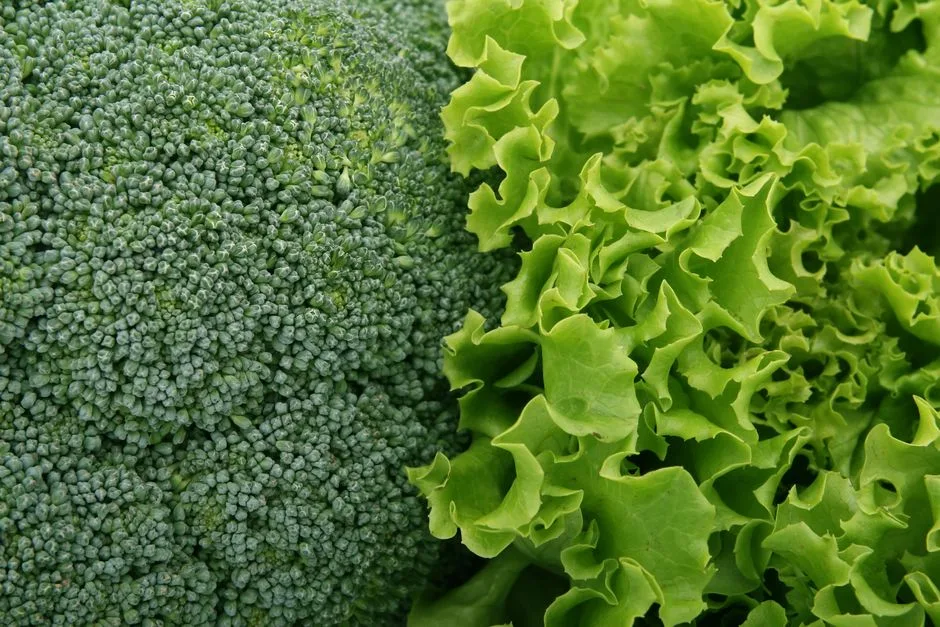
- Leafy greens like spinach and romaine lettuce
- Beans and lentils
- Asparagus
- Broccoli and Brussels sprouts
- Avocado
- Citrus fruits like oranges
- Eggs
- Liver and organ meats
- Fortified breads, pasta, and cereals
- Certain fermented foods, like folate-rich yogurts and fermented cereal porridges[1]
Fermentation can actually raise the folate content of a food.
This happens because certain bacteria produce folate as they break down the food[1].
This means some traditional fermented foods may offer more folate than the same food unfermented[1].
How much folate do you need?
Most adults need about 400 micrograms of folate each day.
Pregnant people need more, often around 600 micrograms a day.
People who are breastfeeding also need extra folate.
Needs can vary by age, health conditions, and country guidelines.
Anyone planning a pregnancy should talk with a doctor about their folate needs.
What should you actually eat?
You can meet your folate needs mostly through food.
- Add a leafy green vegetable to meals most days
- Include beans or lentils a few times a week
- Choose fortified whole grain bread or cereal
- Eat citrus fruit or avocado as a regular snack
- Try folate-rich fermented foods like plain yogurt with live cultures
- Include eggs as part of a balanced breakfast
- Cook vegetables lightly, since heat can destroy some folate
Steaming or lightly cooking vegetables helps protect their folate content.
Storing fresh produce properly also helps keep folate levels higher.
People with higher needs, like those who are pregnant, may still be advised to take a folic acid supplement alongside food sources.
This decision should always involve a doctor or dietitian.
Who needs to pay extra attention to folate?
Some groups benefit the most from watching their folate intake.
- People who are pregnant or trying to conceive
- People who are breastfeeding
- People with limited access to fresh fruits and vegetables
- People with digestive conditions that affect nutrient absorption
- Older adults, who may eat less varied diets
- People who drink alcohol heavily, since alcohol can lower folate levels
A cross-sectional study of pregnant women found that folic acid deficiency was linked to lower education levels, inadequate prenatal care, and poor dietary diversity, and that babies born to folate deficient mothers had a higher rate of low birth weight and other complications[2].
This adds to strong evidence from systematic reviews showing that folic acid supplementation before and during early pregnancy meaningfully lowers the risk of neural tube defects[3][4].
Together, these findings point to prenatal care access and diet quality as key factors that put some pregnant women at higher risk of folate deficiency.
Frequently asked questions
Is folate the same as folic acid?
Folate is the natural form found in food. Folic acid is the man-made form used in supplements and fortified foods. Your body processes them a little differently.
Can you get enough folate from food alone?
Many people can meet their folate needs by eating leafy greens, beans, citrus, and fortified grains regularly. Fermented foods can also be a strong natural source[1]. People with higher needs, like pregnant people, may need extra guidance from a doctor.
Does fermentation really increase folate in food?
Yes, certain bacteria used in fermentation, like Lactiplantibacillus plantarum, can produce folate as they ferment the food. Some traditional fermented foods studied had very high folate levels as a result[1].
Put this to work in your own food log. Track it free with Ration →
Sources
- Folate-Containing Fermented Foods of Plant and Animal Origin: The Value of Traditional Foods to Tackle Folate Deficiency · PMID 42494622
- Factors associated with folic acid deficiency in pregnant women and its repercussions in the newborn: a cross-sectional study · PMID 42484140
- Folic Acid Supplementation to Prevent Neural Tube Defects: Updated Evidence Report and Systematic Review for the US Preventive Services Task Force · PMID 37526714
- The concept of folic acid supplementation and its role in prevention of neural tube defect among pregnant women: PRISMA · PMID 38728462