Benefits of the Mediterranean Diet in Pregnancy
Key takeaways
- The Mediterranean diet is rich in vegetables, fruit, whole grains, legumes, fish, and olive oil.
- Studies link it to lower risk of gestational diabetes, preeclampsia, and preterm birth.
- It may also support fertility before pregnancy and lower asthma risk in children.
- You do not need to follow it perfectly. Small shifts toward this pattern may still help.
What is the Mediterranean diet?
The Mediterranean diet is an eating pattern based on traditional foods from countries like Greece, Italy, and Spain.
It is not a strict diet plan with rules.
It is a style of eating built around whole, minimally processed foods.
- Vegetables and fruit
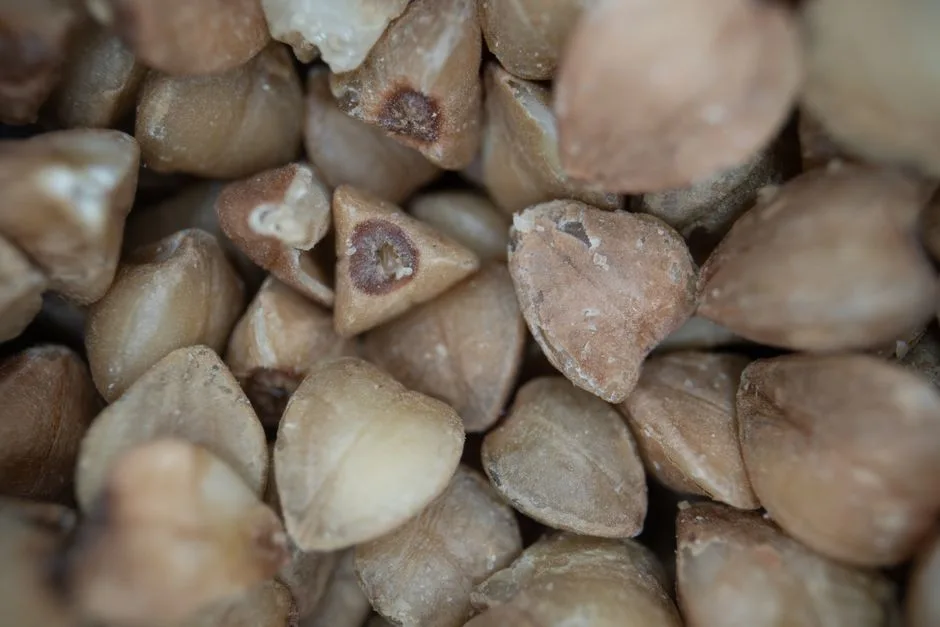
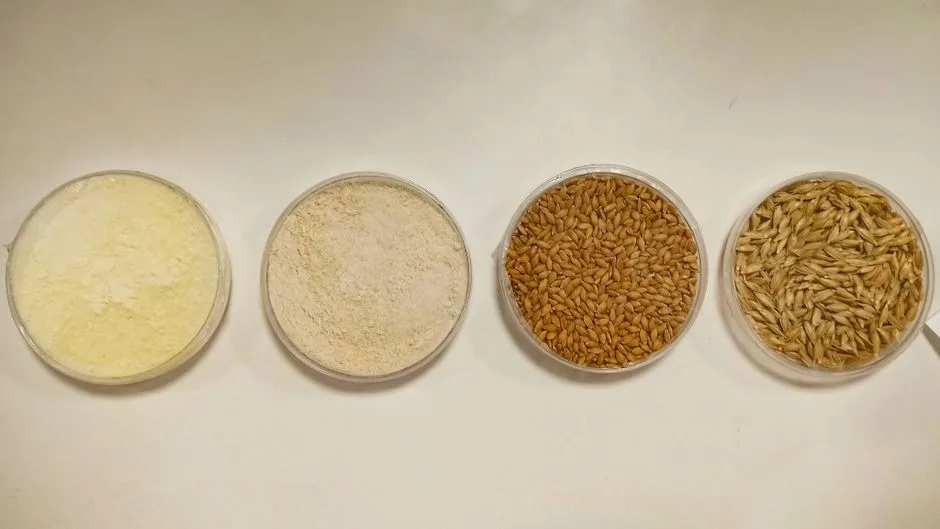
- Whole grains like oats and barley
- Legumes such as lentils and chickpeas
- Nuts and seeds
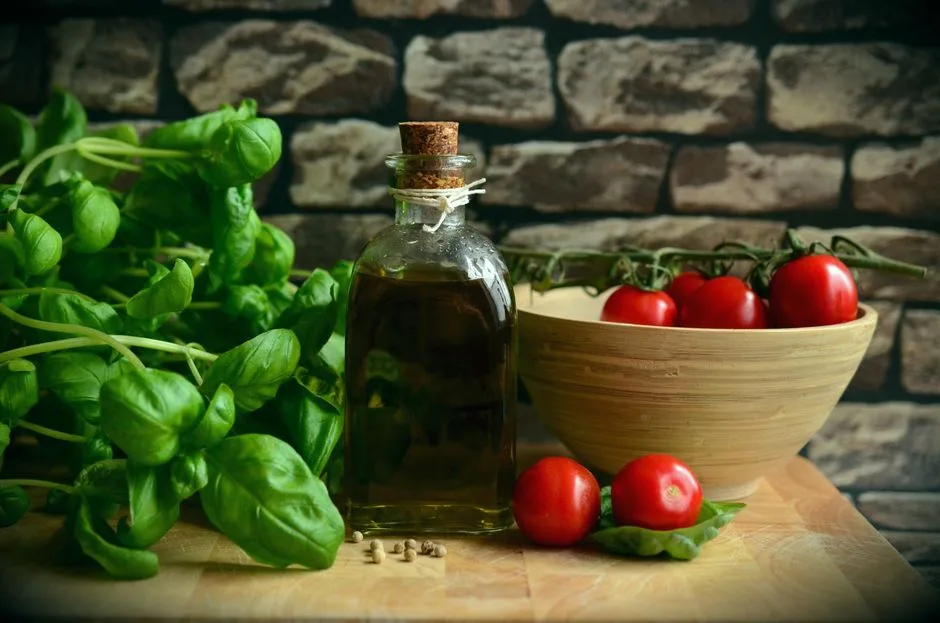
- Olive oil as the main fat source
- Fish and seafood a few times a week
- Moderate dairy, mostly yogurt and cheese
- Limited red meat and sweets
This pattern is naturally high in fiber, unsaturated fats, and antioxidants.
It is also lower in saturated fat and added sugar than a typical Western diet.
Why does diet matter so much during pregnancy?
Pregnancy changes how the body handles sugar, fat, and inflammation.
The placenta needs steady nutrients to support the baby's growth.
Maternal blood sugar, blood pressure, and weight gain during pregnancy can all affect the baby's health.
Diet is one of the few factors a person can actually adjust during pregnancy.
This is why researchers have studied the Mediterranean pattern closely in this life stage.
What does the research show about pregnancy outcomes?
A large systematic review and meta-analysis looked at maternal Mediterranean diet adherence and perinatal outcomes.
It found that higher adherence was linked to lower risk of preterm birth and lower risk of having a small for gestational age baby[3].
Another review focused specifically on how this diet affects maternal and fetal health during pregnancy.
It reported associations with reduced risk of gestational diabetes and reduced risk of preeclampsia[6].
Preeclampsia is a condition involving high blood pressure during pregnancy that can be dangerous for both mother and baby.
Gestational diabetes is high blood sugar that develops during pregnancy and can increase the baby's birth weight and future metabolic risk.
Researchers believe the fiber, healthy fats, and antioxidants in this diet help explain these effects.
Macronutrient balance during pregnancy also matters on its own, separate from any single diet label.
A systematic review of maternal macronutrient and energy intake found that the balance of carbohydrate, fat, and protein during pregnancy is linked to birth outcomes[5].
The Mediterranean pattern naturally shifts this balance toward complex carbohydrates and unsaturated fat.
Can it help before you even get pregnant?
The Mediterranean diet has also been studied for its effects on fertility.
A systematic review and meta-analysis on diet and female reproductive health found associations between higher Mediterranean diet adherence and better reproductive outcomes across the lifespan[1].
A separate review on metabolic factors and fertility highlighted that insulin resistance and inflammation can interfere with ovulation[2].
The Mediterranean diet is thought to improve insulin sensitivity, which may partly explain its link to fertility.
A further study on nutritional approaches to female fertility pointed to the importance of healthy fats, folate, and antioxidants, all of which are common in this eating pattern[8].
This means the benefits of this diet may start even before conception.
Does it affect the baby long after birth?
Some research has looked at whether a mother's diet during pregnancy can affect her child years later.
A meta-analysis from the PACE Consortium studied maternal Mediterranean diet adherence and newborn DNA methylation[4].
DNA methylation is a chemical change to DNA that can switch genes on or off without changing the DNA sequence itself.
This study found that maternal diet during pregnancy was associated with small changes in newborn DNA methylation patterns[4].
Scientists are still learning what these changes mean for a child's long term health.
Separately, a systematic review and meta-analysis looked at Mediterranean diet exposure during pregnancy and childhood and asthma risk in children[7].
It found that higher adherence to this diet was linked to a lower risk of childhood asthma and wheeze[7].
Researchers think antioxidants and unsaturated fats in the diet may reduce inflammation in the developing lungs.
What should you actually eat?
You do not need to overhaul your entire diet overnight.
Small, steady shifts toward this pattern are realistic and sustainable during pregnancy.
- Cook with olive oil instead of butter or margarine when you can
- Aim for vegetables or fruit at most meals
- Choose whole grains like oats, quinoa, or whole wheat bread over refined grains
- Add beans, lentils, or chickpeas to soups and salads a few times a week
- Include fish like salmon or sardines once or twice a week, staying within pregnancy safe limits for mercury
- Snack on nuts, seeds, or yogurt instead of packaged sweets
- Limit processed meat and fast food where possible
- Talk with your doctor or a registered dietitian about your individual nutrient needs, including folate, iron, and choline
Prenatal vitamins are still important even with a healthy diet.
Diet changes should support, not replace, the care your obstetrician or midwife provides.
Folate deserves special attention on top of the Mediterranean pattern, since low folate status is still linked to a higher risk of neural tube defects and other complications in newborns[9].
A systematic review prepared for the US Preventive Services Task Force confirmed that folic acid supplementation before and during early pregnancy lowers the risk of neural tube defects[10].
Another review found the same protective effect across many populations, which is why prenatal vitamins with folic acid are recommended even for people eating plenty of leafy greens and legumes[11].
Who might benefit most?
Anyone who is pregnant or planning pregnancy may benefit from eating this way.
- People trying to conceive who want to support fertility
- People with risk factors for gestational diabetes, such as excess weight or a family history of diabetes
- People with a history of high blood pressure or preeclampsia in a previous pregnancy
- Anyone looking for a simple, sustainable way to eat more vegetables, fiber, and healthy fats
People with specific medical conditions should still personalize their diet with a healthcare provider.
Are there any downsides or limits to the research?
Most of the studies on this topic are observational, meaning they show associations rather than direct proof of cause and effect.
People who already eat this way may also have other healthy habits, like exercising more or smoking less.
This makes it hard to separate the effect of diet alone from other lifestyle factors.
Even so, the consistency of findings across many different studies and countries makes the evidence fairly strong.
The Mediterranean diet is also generally considered safe, since it is based on whole foods rather than supplements or extreme restriction.
Frequently asked questions
Is the Mediterranean diet safe during pregnancy?
Yes, it is generally considered safe since it emphasizes whole foods like vegetables, whole grains, legumes, and fish rather than restrictive eating or supplements.
Can the Mediterranean diet prevent gestational diabetes?
It cannot guarantee prevention, but research links higher adherence to this diet with lower risk of gestational diabetes[6].
Put this to work in your own food log. Track it free with Ration →
Sources
- Mediterranean diet and female reproductive health over lifespan: a systematic review and meta-analysis · PMID 37506751
- The Influence of Metabolic Factors and Diet on Fertility · PMID 36904180
- Association between the Maternal Mediterranean Diet and Perinatal Outcomes: A Systematic Review and Meta-Analysis · PMID 38042258
- Maternal Mediterranean diet in pregnancy and newborn DNA methylation: a meta-analysis in the PACE Consortium · PMID 35236238
- Maternal macronutrient and energy intake during pregnancy: a systematic review and meta-analysis · PMID 38360655
- Adherence to the Mediterranean Diet in Pregnancy and Its Benefits on Maternal-Fetal Health: A Systematic Review of the Literature · PMID 35433794
- Mediterranean diet during pregnancy and childhood for asthma in children: A systematic review and meta-analysis of observational studies · PMID 30997754
- Female Fertility and the Nutritional Approach: The Most Essential Aspects · PMID 34139003
- Factors associated with folic acid deficiency in pregnant women and its repercussions in the newborn: a cross-sectional study · PMID 42484140
- Folic Acid Supplementation to Prevent Neural Tube Defects: Updated Evidence Report and Systematic Review for the US Preventive Services Task Force · PMID 37526714
- The concept of folic acid supplementation and its role in prevention of neural tube defect among pregnant women: PRISMA · PMID 38728462