Turmeric and Curcumin: Health Benefits, Uses, and What the Science Says
Key takeaways
- Turmeric and related Curcuma plants contain compounds like curcumin, curcumol, and germacrone that show anti-inflammatory and antioxidant effects in lab and animal studies[1].
- Most human evidence is still early, and much of the strongest data comes from cell and animal research rather than large clinical trials.
- Traditional processing methods, like cooking turmeric relatives with vinegar, may change how these compounds act in the body[1].
- Turmeric is generally safe as a food and spice, but concentrated supplements deserve more caution and a talk with a doctor.
What is turmeric, really?
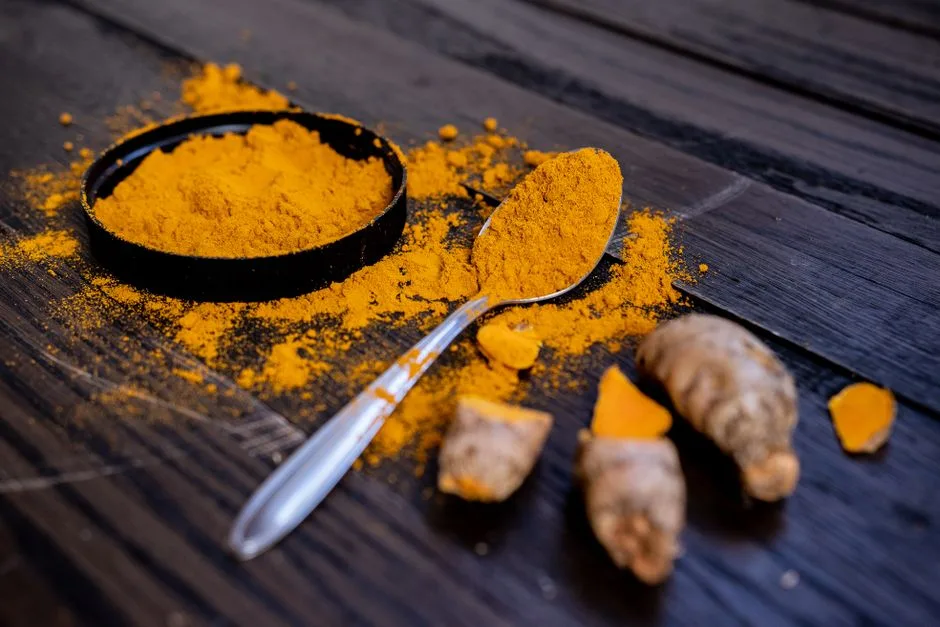
Turmeric is a bright yellow spice that comes from the root of a plant called Curcuma longa.
It belongs to the ginger family, called Zingiberaceae.
This same plant family includes many close relatives used in traditional medicine across Asia.
One example is Curcuma phaeocaulis, a plant whose dried root is called Ezhu in Chinese medicine[1].
Ezhu has been used for a long time to help with stomach pain, poor digestion, and chest discomfort[1].
It is considered a Dao-di herb, which means it is grown in a specific region famous for producing the highest quality version of that plant[1].
Studying these related Curcuma plants helps scientists understand the wider family of compounds that make turmeric interesting to researchers.
Why does turmeric matter for health?
Turmeric root contains many active plant compounds.
The most famous one is curcumin, which gives turmeric its yellow color.
But turmeric relatives also contain other compounds, like curcumol, germacrone, and beta-caryophyllene[1].
These are called sesquiterpenoids, a type of volatile oil compound[1].
Interestingly, in Curcuma phaeocaulis, curcumin itself is present in only tiny amounts[1].
This means much of its traditional benefit may come from these other lesser known compounds, not curcumin alone[1].
Researchers have found that extracts from these plants show antitumor, antiplatelet, anti-inflammatory, analgesic, and liver-protective effects in lab studies[1].
Antiplatelet means the compound may help blood cells called platelets stick together less, which can affect blood clotting[1].
Analgesic simply means pain relieving.
How might turmeric work in the body?
Chronic inflammation is linked to many health problems, including heart disease, joint pain, and some cancers.
Curcumin and related compounds appear to calm certain inflammatory pathways inside cells.
They may also act as antioxidants, which help neutralize unstable molecules called free radicals.
Free radicals can damage cells over time if they build up faster than the body can clear them.
Some Curcuma compounds also seem to affect how tumor cells grow and divide in lab studies[1].
This is why researchers are interested in Curcuma extracts for cancer support research, though this work is still early and mostly not in humans[1].
One especially interesting finding involves how these herbs are prepared.
In traditional Chinese medicine, Ezhu is often processed with vinegar before use[1].
Studies suggest vinegar processing changes the volatile oil content of the root and may help stabilize curcumin type compounds through the acidic environment[1].
This processed version appears to show stronger pain relieving, anti-inflammatory, and anticoagulant activity than the raw root[1].
This shows that how an herb is prepared, not just what is in it, can change its effects.
What does the evidence actually show?
It helps to separate three levels of evidence: traditional use, lab and animal studies, and human clinical trials.
Traditional use of turmeric and its relatives goes back centuries across India and China[1].
This history is valuable, but it does not prove a compound works the way modern medicine defines proof.
Most of the pharmacological research on Curcuma phaeocaulis so far comes from cell studies and animal models, plus computer modeling called network pharmacology[1].
Network pharmacology tries to predict which body targets and pathways a plant compound might affect[1].
This method is useful for generating ideas, but it still needs confirmation in real biological experiments and eventually in people[1].
Researchers reviewing this field note that standardized methods and stronger clinical validation are still needed[1].
For curcumin specifically, separate from these Curcuma relatives, some human trials have looked at joint pain, mood, and markers of inflammation, with mixed but sometimes promising results.
A major challenge with curcumin is bioavailability, meaning how much of it actually gets absorbed and used by the body.
Curcumin on its own is poorly absorbed, which is part of why researchers are so interested in different processing and delivery methods.
What should you actually do?
For most people, the simplest and safest way to enjoy turmeric is as a food.
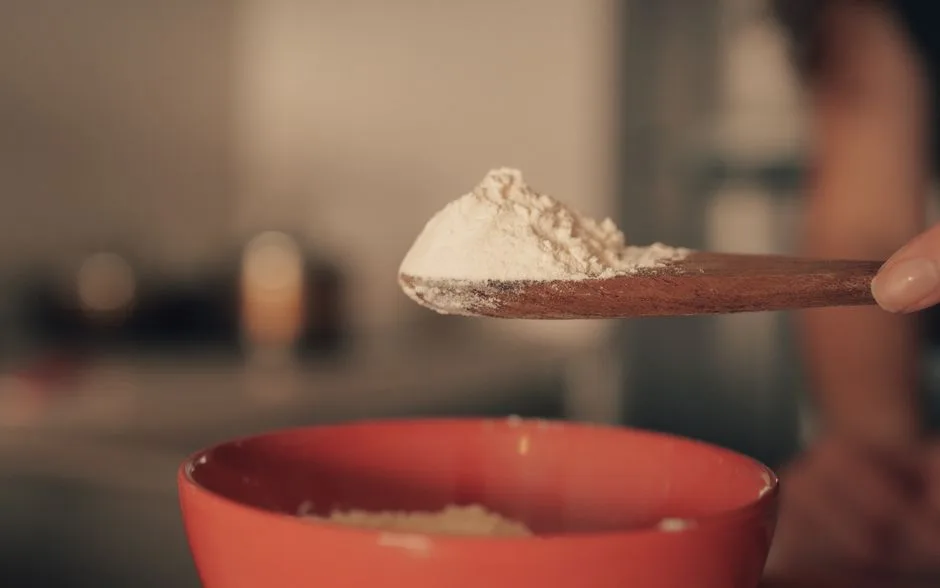
- Add turmeric powder to soups, rice, eggs, or roasted vegetables.
- Pair turmeric with black pepper, since a compound in pepper called piperine may help the body absorb curcumin better.
- Add a small amount of healthy fat, like olive oil, since curcumin dissolves better in fat than in water.
- Try golden milk, a warm drink made with turmeric, milk or a milk alternative, and a pinch of black pepper.
- Use fresh turmeric root the same way you would use fresh ginger, grated into meals.
If you are considering a turmeric or curcumin supplement, talk with a doctor first, especially if you take blood thinners.
This caution matters because some Curcuma compounds affect platelet function, which relates to blood clotting[1].
Pregnant people, people with gallbladder disease, and people scheduled for surgery should also check with a doctor before taking concentrated supplements.
There is no need to avoid turmeric as a cooking spice for these reasons, since food amounts are much lower than supplement doses.
Who might turmeric help most?
People looking to add more anti-inflammatory foods to their diet may enjoy including turmeric alongside other spices like ginger and garlic.
People interested in traditional and complementary medicine may find turmeric relatives like Ezhu interesting as part of a broader herbal tradition[1].
People with joint discomfort sometimes explore curcumin, though they should treat it as a complement to medical care, not a replacement for it.
Researchers studying cancer support therapies are also watching this plant family closely because of its effects on cell growth pathways in lab studies[1].
People with digestive issues like irritable bowel syndrome, or IBS, may also be a group worth watching.
A short 3 day trial of turmeric supplementation in people with IBS lowered fasting and after meal levels of lipopolysaccharide, or LPS, a bacterial toxin linked to gut inflammation, along with related chylomicron markers[2].
A broader systematic review also found turmeric showed some benefit for digestive disorders like IBS and inflammatory bowel disease, though the authors called for larger studies to confirm safety and dosing[3][4].
Common questions about turmeric
Is turmeric the same as curcumin?
No, turmeric is the whole spice, and curcumin is just one of many compounds found inside it.
Are all Curcuma plants the same?
No, there are several related species, including Curcuma longa for the common spice and Curcuma phaeocaulis for traditional Chinese medicine, and their chemical makeup can differ quite a bit[1].
Does cooking destroy the benefits of turmeric?
Cooking changes some compounds in turmeric, but traditional processing methods, like the vinegar treatment used for Ezhu, can actually enhance certain effects rather than only reducing them[1].
Put this to work in your own food log. Track it free with Ration →
Sources
- Unlocking the therapeutic potential of Curcuma phaeocaulis Valeton: An integrative review of its ethnopharmacology, processing with vinegar, and pharmacological mechanisms · PMID 42542262
- Impact of 3-day turmeric supplementation on fasting and postprandial LPS and chylomicron-related markers in patients with IBS: A randomized crossover trial · PMID 42543530
- Cannabis and Turmeric as Complementary Treatments for IBD and Other Digestive Diseases · PMID 30635796
- A systematic review of the efficacy and safety of turmeric in the treatment of digestive disorders · PMID 38503513