Vitamin A: Retinol vs. Beta Carotene, and the Best Food Sources
Key takeaways
- Vitamin A has two forms: retinol from animal foods, and beta carotene from plants that your body converts as needed.
- Retinol is more bioavailable, meaning your body absorbs and uses more of it, compared with plant carotenoids[8].
- Vitamin A supports vision, immune function, gut health, and bone health, though evidence for supplements preventing disease is mixed[7][3].
- Good sources include liver, eggs, dairy, and orange or dark leafy vegetables like carrots, sweet potatoes, and spinach.
Vitamin A is a nutrient your body needs for eyes, skin, immune defense, and bone health. It comes in two very different forms.
One form, called retinol, comes from animal foods and is ready for your body to use right away. The other form, beta carotene, comes from plants and your body has to convert it into retinol first.
What is the difference between retinol and beta carotene?
Retinol is called preformed vitamin A. It is found only in animal foods.
Beta carotene is a plant pigment called a carotenoid. Your body converts it into retinol only as needed, which makes it harder to overdose on compared to retinol.
A 2024 review looked at how well the body absorbs vitamins from animal versus plant foods. It found that retinol from animal sources has higher bioavailability than beta carotene and other carotenoids from plants[8].
This means your body has to work harder to get usable vitamin A from plant foods. It also means eating a variety of both animal and plant sources may help you meet your needs more reliably[8].
A 2011 review of vitamin A status in European teens found real differences in blood retinol and beta carotene levels by region and by diet pattern.
This shows that food choices and geography both shape vitamin A status in real populations[6].
What does vitamin A do in the body?
Vitamin A supports several systems at once.
- Vision, especially adjusting to low light
- Immune function and defense against infection
- Skin and mucous membrane health
- Gut lining health and gut microbiome balance[1]
- Bone formation and maintenance[4]
A 2021 review found that vitamin A helps maintain the gut lining and interacts with the gut microbiome. This suggests vitamin A status may affect digestive health as well as immunity[1].
A 2024 review on bone health found that vitamin A, alongside other vitamins, plays a role in bone remodeling. The authors noted this role is still less studied than vitamin D's role in bone health[4].
Vitamin A and related carotenoids like lycopene may also play a role in cancer prevention.
A review of retinoids and carotenoids found they can influence cell growth and help protect against several cancer types through effects on cell signaling[9].
Older research on colon cancer also linked higher carotenoid intake to lower risk, though the mechanisms are still being studied[10].
A 2024 review on nutrition after menopause similarly flagged vitamin A and lycopene as nutrients worth watching for their potential role in disease prevention in this life stage[11].
Does vitamin A help eye disease or wound healing?
Vitamin A and beta carotene are often studied alongside other antioxidants for eye health, especially age related macular degeneration (AMD).
A 2023 meta analysis looked at antioxidant vitamin and mineral supplements for slowing AMD progression.
It found that certain antioxidant combinations, including vitamin A and beta carotene, may modestly slow progression in some people with existing AMD, though the evidence is not strong for everyone[3].
Vitamin A has also been studied as part of nutrition support for wound healing.
A 2024 meta analysis of oral nutrition supplements for chronic wounds found that supplement formulas containing vitamin A, along with protein and other nutrients, were linked to better wound healing outcomes in some studies[5].
This does not mean vitamin A alone heals wounds. It was studied as one ingredient in a larger nutrition formula[5].
Who is at risk of low vitamin A?
People with cystic fibrosis often have trouble absorbing fat soluble vitamins, including vitamin A, because of pancreatic issues.
A 2018 meta analysis looked at vitamin A and beta carotene supplementation in people with cystic fibrosis.
It found that supplementation is common practice, but the trial evidence for its benefits is still limited and more research is needed[2].
Other groups who may be at higher risk of low vitamin A include people with limited diets, digestive disorders that affect fat absorption, or very low intake of animal foods and colorful vegetables[6][8].
Signs of low vitamin A can include trouble seeing in dim light, dry eyes, dry skin, and more frequent infections.
Should you take a vitamin A supplement?
For most people eating a varied diet, food sources cover vitamin A needs well.
A large 2022 evidence review for the US Preventive Services Task Force looked at vitamin and mineral supplements, including vitamin A, for preventing heart disease and cancer in the general population.
It found insufficient evidence that supplementing with vitamin A prevents these diseases in people without a diagnosed deficiency[7].
Because retinol builds up in the body, high dose supplements carry a risk of toxicity over time. Beta carotene from food does not carry this same risk, since the body converts it only as needed[8].
What foods have the most vitamin A?
Animal sources tend to be richest in retinol.
- Beef or chicken liver
- Fish liver oils
- Eggs
- Full fat dairy, like milk, butter, and cheese
Plant sources provide beta carotene, which your body converts to retinol.
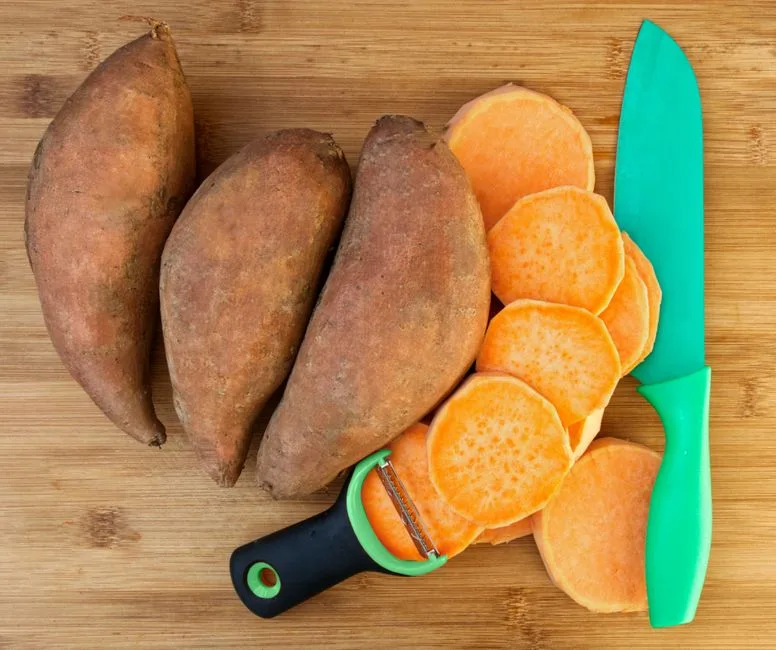
- Sweet potatoes
- Carrots
- Spinach and other dark leafy greens
- Butternut squash
- Cantaloupe and mangoes
Eating both animal and plant sources across the week is a practical way to cover vitamin A needs, given the bioavailability differences between the two forms[8].
Frequently asked questions
Is beta carotene as good as retinol?
Beta carotene is converted into retinol by your body, but research shows this conversion is less efficient than getting retinol directly from animal foods[8]. Eating a mix of both types of sources is a reasonable way to meet your needs.
Can you get too much vitamin A?
Yes, preformed vitamin A, or retinol, can build up in the body and cause toxicity at high doses. Beta carotene from food does not carry this same risk, since your body converts it only as needed[8].
Does vitamin A help with eye disease?
In people with existing age related macular degeneration, certain antioxidant combinations that include vitamin A may modestly slow disease progression, according to a 2023 meta analysis[3]. It is not shown to prevent AMD from starting.
Put this to work in your own food log. Track it free with Ration →
Sources
- Vitamins, the gut microbiome and gastrointestinal health in humans · PMID 34798467
- Vitamin A and beta (β)-carotene supplementation for cystic fibrosis · PMID 30091146
- Antioxidant vitamin and mineral supplements for slowing the progression of age-related macular degeneration · PMID 37702300
- Role of vitamins beyond vitamin D(3) in bone health and osteoporosis (Review) · PMID 38063255
- Impact of oral nutritional supplement composition on healing of different chronic wounds: A systematic review · PMID 38696907
- Retinol, β-carotene, α-tocopherol and vitamin D status in European adolescents; regional differences an variability: a review · PMID 21666963
- Vitamin and Mineral Supplements for the Primary Prevention of Cardiovascular Disease and Cancer: Updated Evidence Report and Systematic Review for the US Preventive Services Task Force · PMID 35727272
- Comparative bioavailability of vitamins in human foods sourced from animals and plants · PMID 37522617
- Lycopene, Carotenoids, and Retinoids in Cancer Chemoprevention: Molecular Mechanisms and Clinical Implications · PMID 42514387
- Carotenoids and colon cancer · PMID 10648274
- A systematic review on the impact of nutrition and possible supplementation on the deficiency of vitamin complexes, iron, omega-3-fatty acids, and lycopene in relation to increased morbidity in women after menopause · PMID 38935105