Vitamin C: What It Actually Does, and the Best Food Sources
Key takeaways
- Vitamin C supports collagen production, wound healing, and immune function.
- Levels drop sharply after major surgery and in critical illness, which is why hospitals sometimes use IV vitamin C.[3][5]
- Citrus fruit, peppers, and leafy greens are some of the best food sources.
- Most healthy adults can meet their needs through food alone, without supplements.
What is vitamin C?
Vitamin C is a water soluble vitamin. Your body needs it to build collagen, heal wounds, and fight off damage from unstable molecules called free radicals.
It is also called ascorbic acid. Your body cannot make it on its own, so you have to get it from food or a supplement.
Early researchers called vitamin C a key building block of health because it supports so many body systems at once.[2] It plays a role in immune function, skin health, and even how well you absorb iron from plant foods.
What does vitamin C actually do?
Vitamin C has a few main jobs in the body.
- Helps build collagen, the protein that holds skin, blood vessels, and bone together
- Acts as an antioxidant, helping protect cells from free radical damage
- Supports wound healing
- Helps your gut absorb iron from plant foods like beans and spinach
- Supports normal immune cell function
Vitamin C also works as a team player with other nutrients.
In lab studies on stored red blood cells, vitamin C paired with vitamin E helped protect the cells from oxidative damage better than either vitamin alone.[6] This kind of synergy is a common theme with antioxidant vitamins, including vitamin E and vitamin K.[4][8]
What happens to vitamin C levels during illness or surgery?
Vitamin C is not just a steady background nutrient. Levels in your blood can swing a lot depending on what your body is going through.
A systematic review found that plasma and serum vitamin C levels drop after surgery, sometimes sharply, and can stay low for days afterward.[5] This drop happens because surgery triggers inflammation and stress, both of which use up vitamin C faster than normal.
Critical illness does something similar.
A 2025 review looked at intravenous vitamin C use in adults with severe burns.[3] Burn injuries cause huge oxidative stress, and vitamin C levels can fall fast in these patients.
The review found that IV vitamin C is used in some burn centers to help support the body during this vulnerable window, though researchers note the evidence is still developing and more trials are needed to nail down the best dose and timing.
These findings matter mostly for hospital settings. They do not mean a healthy person needs extra vitamin C during a common cold or minor stress.
Does vitamin C protect your eyes?
Vitamin C is often mentioned alongside eye health, especially for glaucoma, a disease that damages the optic nerve.
A 2022 meta analysis looked at vitamin intake, including vitamin C, and glaucoma risk across multiple studies.[1] The results were mixed.
Some studies suggested a link between higher vitamin intake and lower glaucoma risk, but the overall evidence was not strong or consistent enough to draw firm conclusions.
This means vitamin C should not be seen as a proven way to prevent glaucoma. It may play some supporting role, but the current research does not confirm it.
Who is most likely to fall short on vitamin C?
Most people who eat a varied diet with some fruits and vegetables get enough vitamin C. Certain groups are more at risk of falling short.
- People recovering from surgery, since levels drop during the recovery window[5]
- People with critical illness or severe burns[3]
- Older adults, especially those with multiple health conditions
- Smokers, whose bodies use up vitamin C faster
- People who eat very little fresh fruit or vegetables
A 2019 study on medically complex, community living older adults found that many in this group used vitamin and mineral supplements, often because their diets did not reliably cover their nutrient needs.[7] This suggests that supplement use in this population is common, though it does not mean supplements are necessary for everyone in it.
Signs you might be low in vitamin C
True vitamin C deficiency is rare in places with reliable access to fresh food. When it happens, it tends to show up gradually.
- Bleeding or swollen gums
- Slow healing wounds or cuts
- Easy bruising
- Dry, rough skin
- Fatigue and low mood
- Joint pain
Severe, long term deficiency can lead to scurvy, a disease that was historically common in sailors without access to fresh produce.
Scurvy is uncommon today but can still occur in people with very limited diets.
What foods have the most vitamin C?
Vitamin C is found in a wide range of fruits and vegetables. You do not need exotic foods to get enough.
- Red and green bell peppers
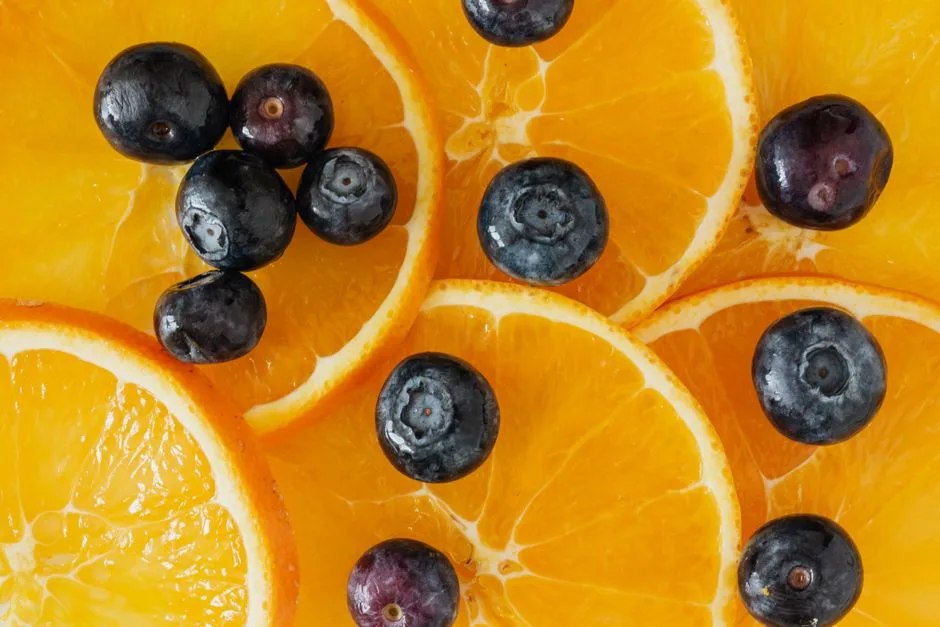
- Oranges and orange juice
- Kiwi fruit
- Strawberries
- Broccoli
- Brussels sprouts
- Tomatoes
- Potatoes
- Leafy greens like kale and spinach
Cooking can lower vitamin C content, since it is sensitive to heat and water. Eating some of these foods raw, or lightly steamed, helps preserve more of the vitamin.
Do you need a supplement?
Most healthy people can get enough vitamin C from food alone. A diet with a couple servings of fruit and vegetables most days usually covers daily needs.
Supplements may be more relevant for specific situations, such as recovery from surgery or critical illness, where research shows vitamin C levels drop and clinical teams sometimes use IV forms under medical supervision.[3][5] This is different from healthy people taking a vitamin C pill on their own for general health, which has much weaker supporting evidence.
Anyone considering a supplement, especially at high doses, should talk with a healthcare provider first. This is especially true for older adults managing multiple health conditions and medications.[7]
Frequently asked questions
Can vitamin C prevent colds?
Research on this is mixed and not covered strongly by the studies here. Vitamin C supports normal immune function, but evidence that it prevents colds in healthy people is weak.
Is it safe to take vitamin C every day?
For most healthy adults, getting vitamin C from food daily is safe and normal. Very high dose supplements should be discussed with a healthcare provider, since evidence for extra benefit beyond meeting daily needs is limited.
Why do vitamin C levels drop after surgery?
Surgery causes inflammation and physical stress, which use up the body's vitamin C faster than usual. Research confirms this drop happens and can last for days after the procedure.[5]
Put this to work in your own food log. Track it free with Ration →
Sources
- Vitamin intake and glaucoma risk: A systematic review and meta-analysis · PMID 35120728
- [THE VITAMIN FOR VITAMINS] · PMID 14079216
- Intravenous vitamin C in critically ill adult patients with burns: An integrative review · PMID 40081106
- Vitamin-E deficiency · PMID 20726155
- The effects of surgery on plasma/serum vitamin C concentrations: a systematic review and meta-analysis · PMID 33143761
- Synergistic activity of vitamin-C and vitamin-E to ameliorate the efficacy of stored erythrocytes · PMID 36084917
- Vitamin and mineral supplement use in medically complex, community-living, older adults · PMID 30628461
- [Vitamin K] · PMID 20983602