Vitamin D During Pregnancy: How Much Do You Need?
Key takeaways
- Vitamin D helps build baby's bones, teeth, and immune system, and supports the placenta.
- Many pregnant women worldwide do not get enough vitamin D.
- New research suggests the weeks around conception and early pregnancy may matter more than later dosing for lowering childhood asthma risk[1].
- Food sources, sensible sun exposure, and prenatal vitamins are the main ways to meet your needs.
What is vitamin D and why does it matter in pregnancy?
Vitamin D is a nutrient your body needs for strong bones.
It helps your body absorb calcium and phosphorus.
During pregnancy, vitamin D also supports the placenta.
The placenta is the organ that feeds oxygen and nutrients to your baby.
Vitamin D also helps shape your baby's lungs and immune system before birth[1].
Your body makes vitamin D when skin is exposed to sunlight.
You can also get it from certain foods and supplements.
How common is vitamin D deficiency in pregnancy?
Vitamin D deficiency is very common among pregnant women.
Research estimates that 40 to 60 percent of pregnant women worldwide have low levels[1].
Deficiency is linked to problems like preeclampsia, gestational diabetes, and low birth weight.
Low vitamin D during pregnancy has also been studied as a possible factor in childhood asthma[1].
Asthma is the most common long term disease in children[1].
Why might timing matter more than dose?
Two large studies, called VDAART and COPSAC2010, tested vitamin D supplements during pregnancy.
Both gave supplements starting in the second trimester, around weeks 10 to 24[1].
Children in these studies had a 20 to 25 percent lower rate of asthma or wheezing at age 3[1].
But this result was not strong enough to count as statistically proven in the main analysis[1].
The protective effect also faded by the time children reached school age[1].
A new review looked closer at when vitamin D might work best[1].
It points to the weeks right around conception and the first trimester as the key window[1].
This is when a fertilized egg implants in the uterus.
It is also when a baby's airways begin to form.
The placenta itself processes vitamin D heavily during this early stage[1].
By the time the earlier trials started supplements, this early lung building process was mostly finished[1].
This means starting vitamin D too late may miss the most important stage of development.
Does everyone respond the same way?
Not everyone in these studies benefited equally.
When researchers grouped women by their starting vitamin D level, the protective effect became clearer[1].
Women who started with low vitamin D levels seemed to benefit more from supplements[1].
A gene called 17q21 also changed how much children benefited[1].
This gene is already linked to asthma risk in children.
A protein that carries vitamin D through the blood may also play a role[1].
This suggests vitamin D supplements may help some pregnant women and babies more than others.
How much vitamin D do you need during pregnancy?
Most health authorities recommend around 600 IU of vitamin D per day during pregnancy.
Some experts suggest higher amounts, especially for women who start out deficient.
A blood test can check your 25-hydroxyvitamin D level, which shows how much vitamin D your body has stored.
Talk with your doctor before starting or changing any supplement.
This is especially useful if you are planning a pregnancy, since the earliest weeks may matter most[1].
What foods have vitamin D?
Few foods naturally contain much vitamin D.
- Fatty fish like salmon, mackerel, and sardines
- Egg yolks
- Fortified milk and plant milks
- Fortified orange juice
- Fortified cereals
- Mushrooms exposed to ultraviolet light
- Cod liver oil
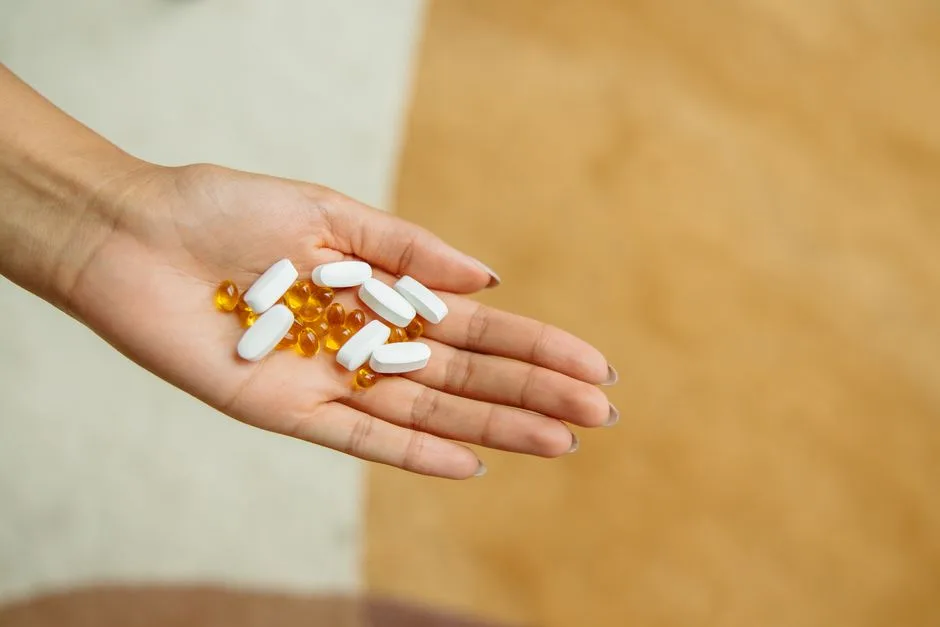
Because food sources are limited, many pregnant women also rely on prenatal vitamins.
What should you actually do?
- Ask your doctor for a vitamin D blood test if you are planning a pregnancy or are newly pregnant.
- Start a prenatal vitamin with vitamin D before conception if possible, since early weeks may matter most for lung development[1].
- Eat vitamin D rich foods like salmon, eggs, and fortified milk regularly.
- Get safe sun exposure for a short time most days, if your skin tolerates it well.
- Do not exceed recommended doses without medical guidance, since more research is needed on exact amounts.
- Continue vitamin D intake through pregnancy rather than stopping once you feel well.
Who might benefit most?
Women with darker skin, who live in northern climates, or who avoid sun exposure may be at higher risk of deficiency.
Women who are overweight or obese also tend to have lower vitamin D levels.
Women with a family history of asthma or allergic disease may be a focus of future research given the gene links found so far[1].
Women planning pregnancy may benefit most from checking and correcting vitamin D levels before conception[1].
What does the research still need to answer?
No large study has yet tested vitamin D supplements starting before conception[1].
Researchers say this kind of trial is the next needed step[1].
Future studies may also track vitamin D levels closely throughout pregnancy rather than measuring just once[1].
Until then, the current guidance is to correct deficiency and maintain healthy levels throughout pregnancy planning and pregnancy itself.
Frequently asked questions
Can too much vitamin D be harmful during pregnancy?
Yes, very high doses can cause problems like excess calcium in the blood. It is best to follow your doctor's guidance rather than taking large amounts on your own.
Should I start vitamin D before I even get pregnant?
Some research suggests the weeks around conception and early pregnancy may be the most important window for a baby's lung development, so starting early may be helpful[1].
Put this to work in your own food log. Track it free with Ration →